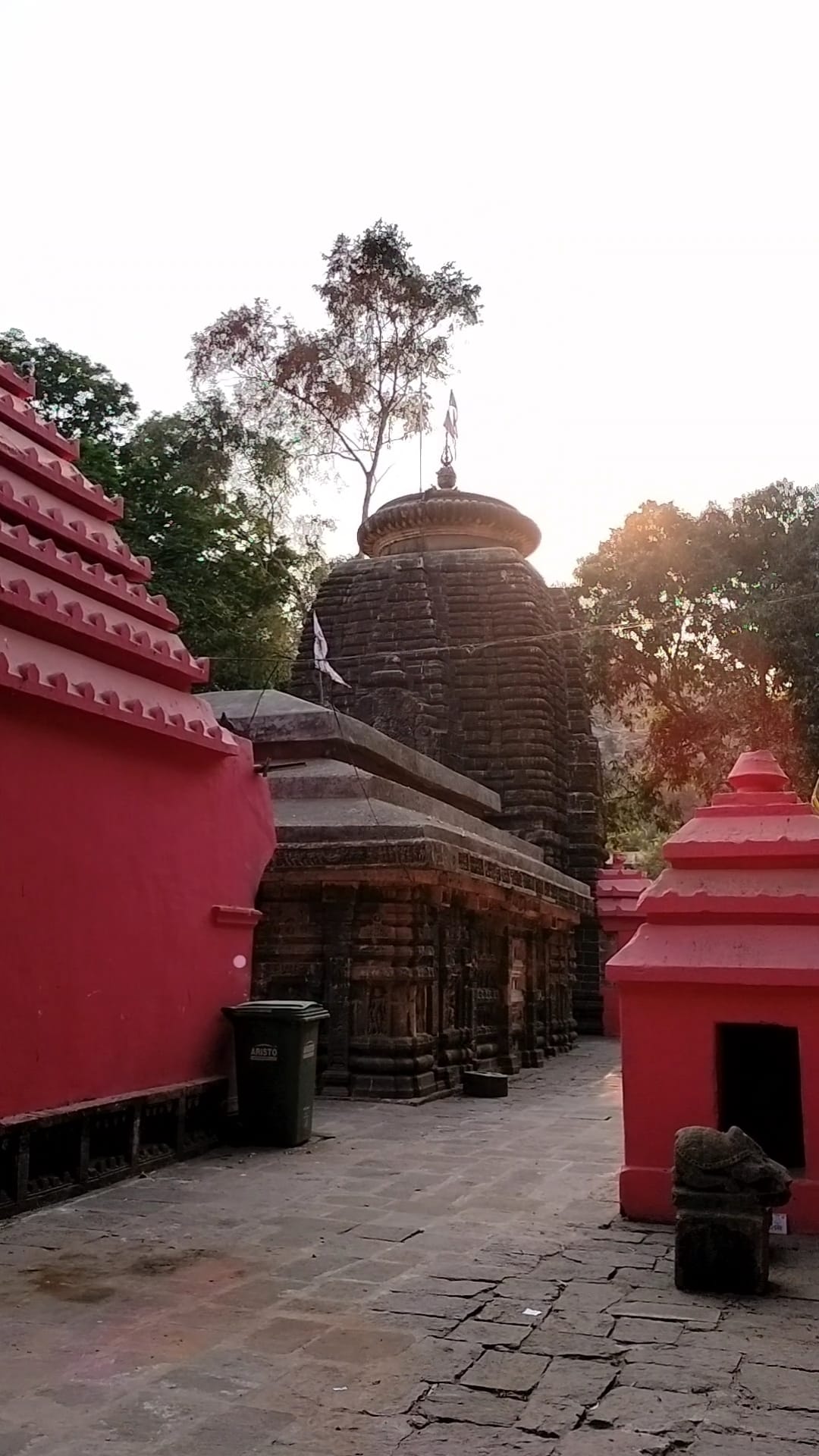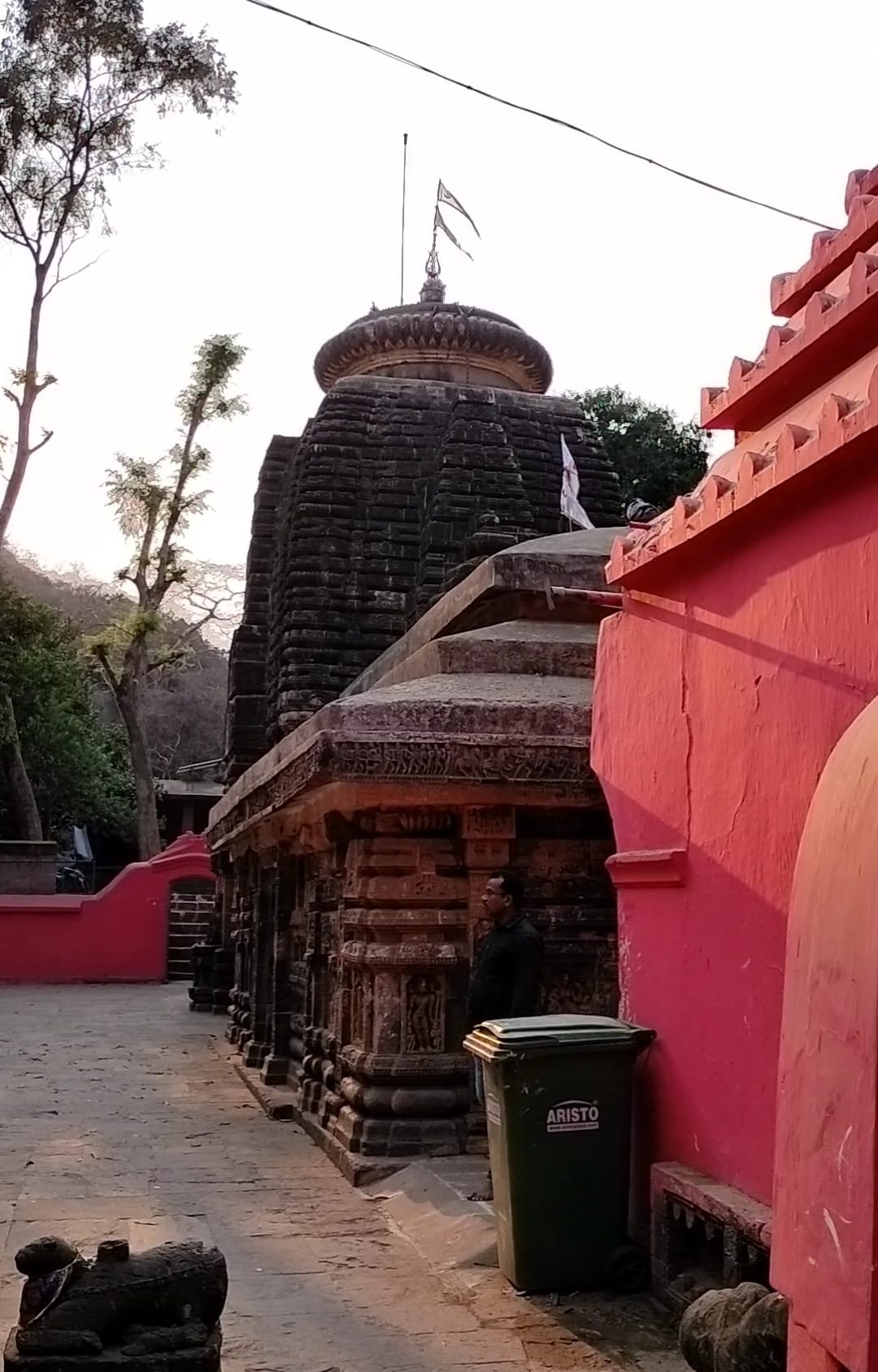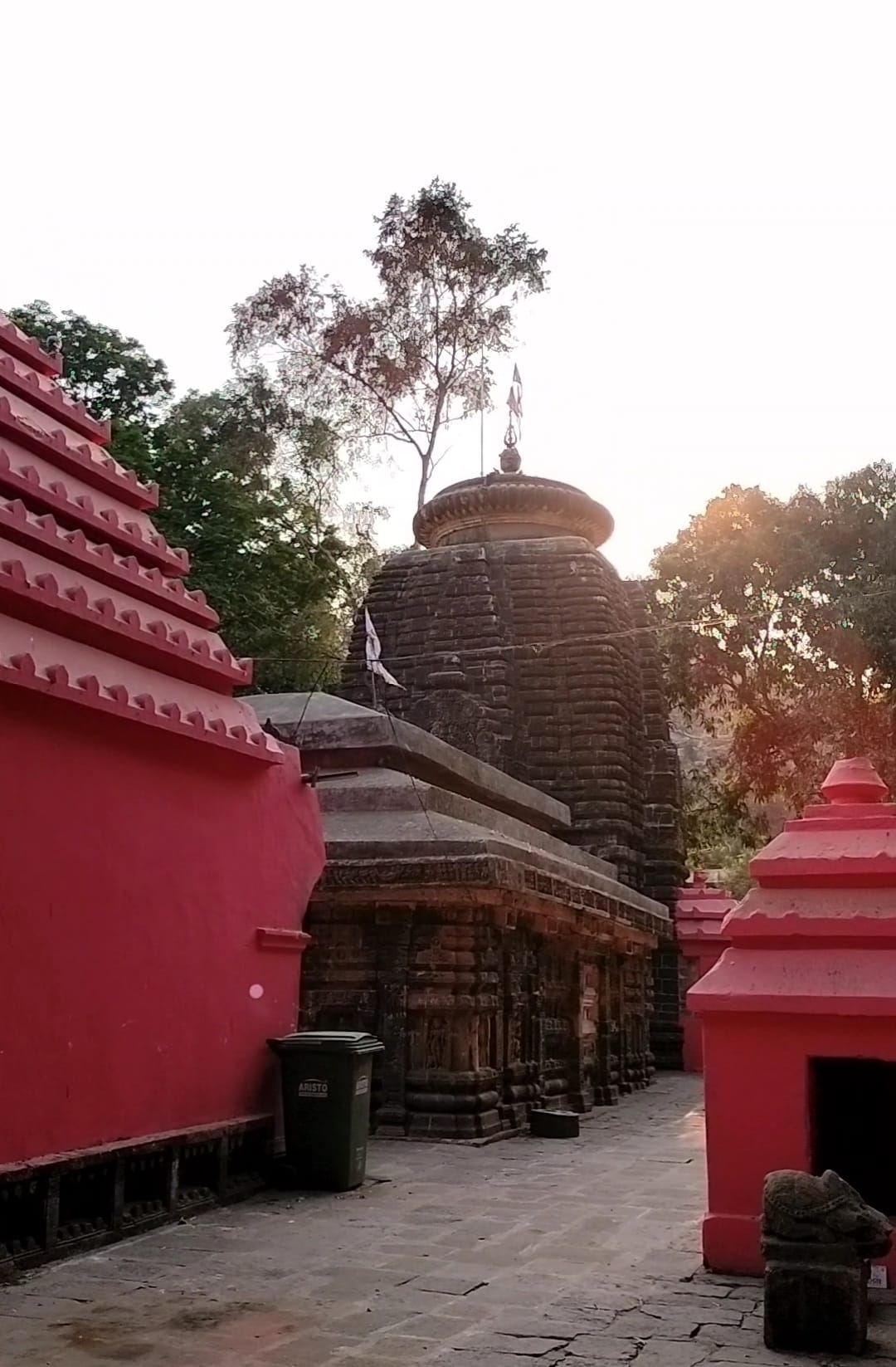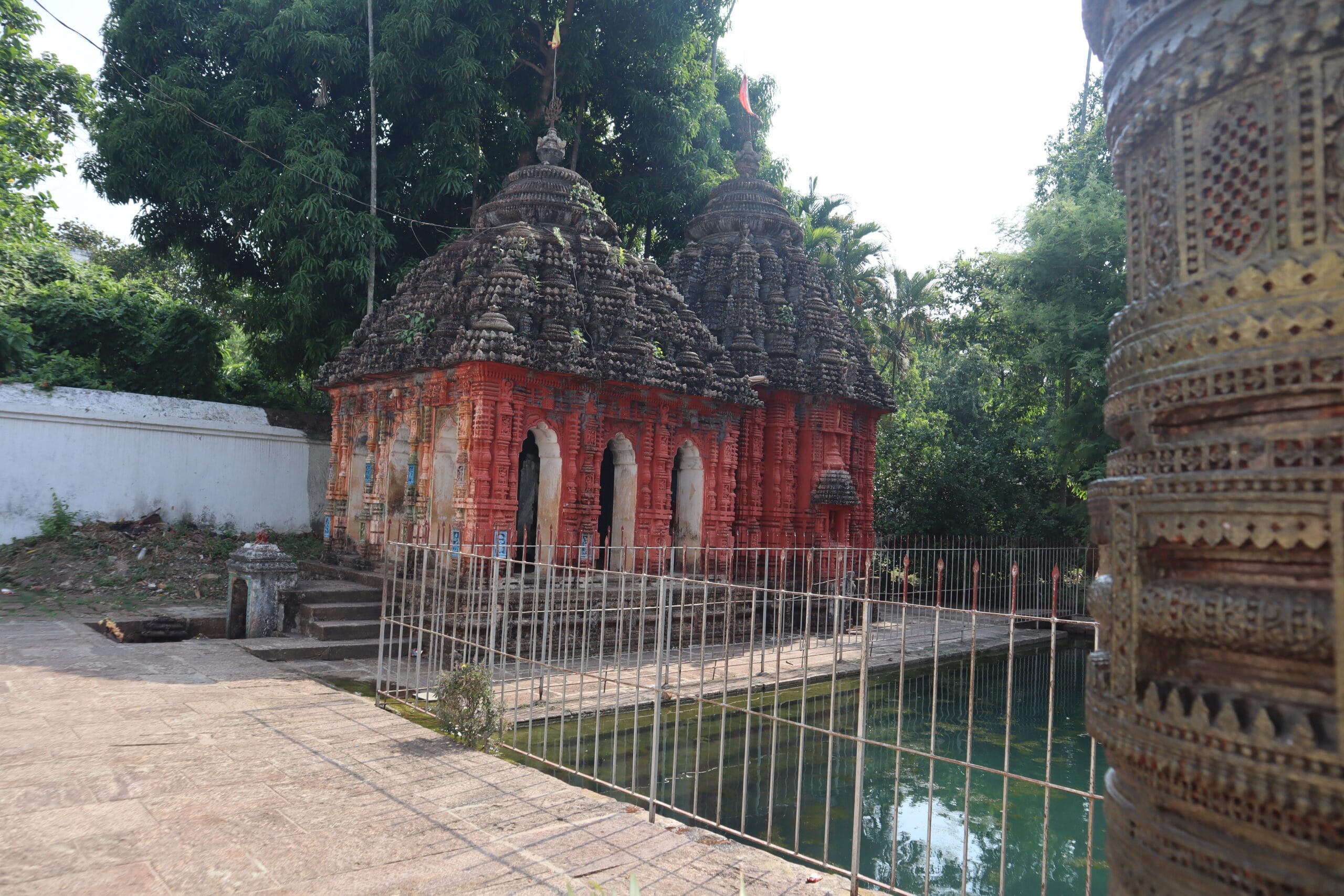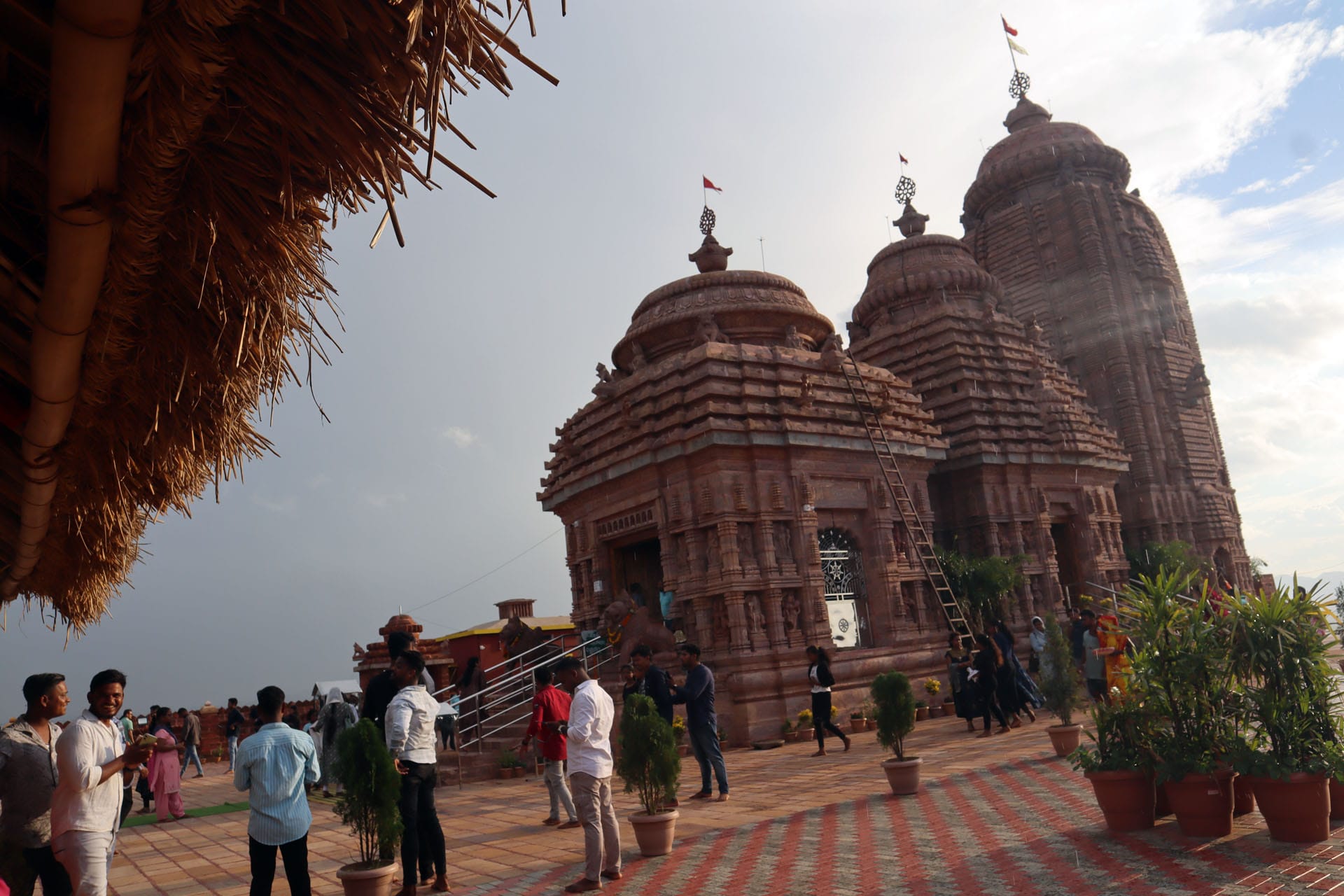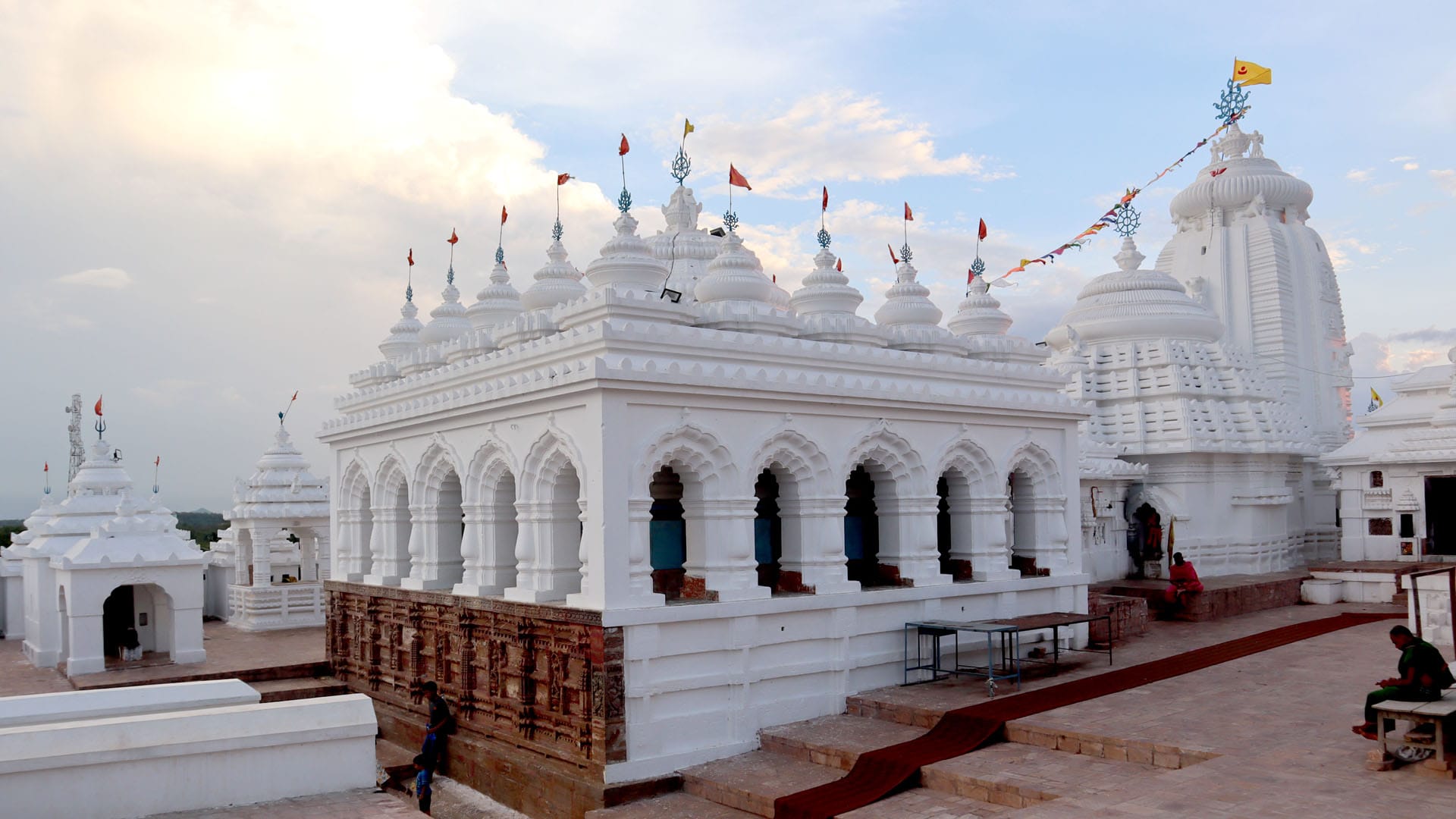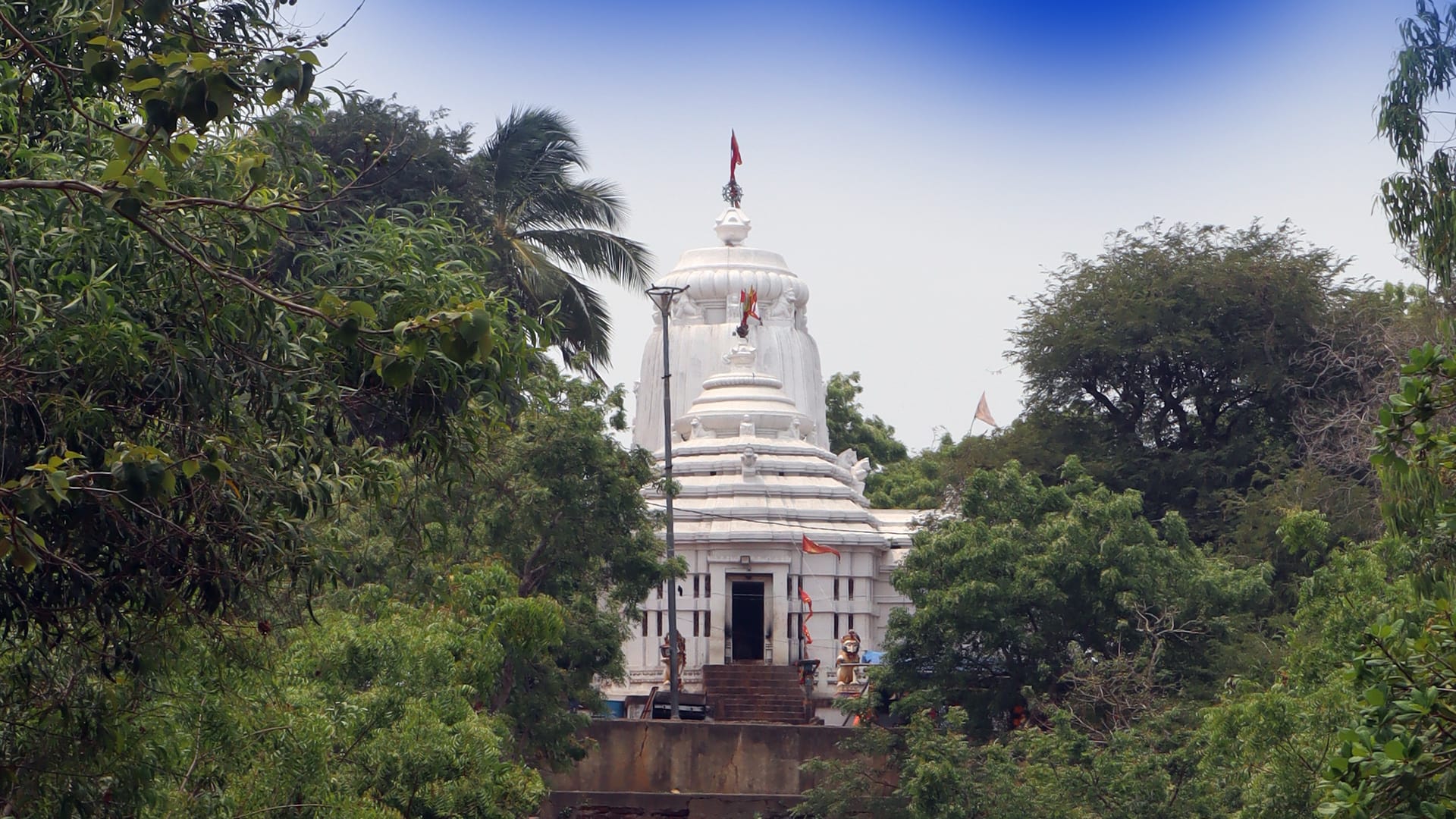
Located in the peaceful village of T-Bridge in Cuttack district, the Sinha Nath Temple is one of Odisha’s lesser-known yet historically rich temples dedicated to Lord Shiva. This ancient shrine stands as an excellent example of the traditional Kalinga style of architecture and reflects the artistic mastery of early Odishan craftsmen. Believed to have been constructed during the 8th century under the rule of the Bhauma-Kara dynasty, the temple has witnessed several periods of renovation, but it continues to preserve its original grandeur and sacredness.
The Bhauma-Kara rulers, known for their deep devotion to art, sculpture, and temple-building, played a crucial role in shaping the religious landscape of Odisha. The Sinha Nath Temple is one such creation that showcases their commitment to Shaivism and their remarkable architectural vision. Today, centuries later, it remains a spiritual landmark and a cultural treasure for devotees and travelers visiting Cuttack.

Architectural Highlights of Sinha Nath Temple
Sinha Nath Temple beautifully represents the classic features of Kalinga architecture. The entire structure is built with stone and follows a square-shaped layout enclosed by a high protective wall, giving it an aura of strength and permanence. The entrance gateway, known as the torana, is one of the most striking elements. Decorated with intricate carvings of mythological scenes, divine beings, animals, and floral motifs, the gateway sets the tone for the artistic brilliance found throughout the temple complex.
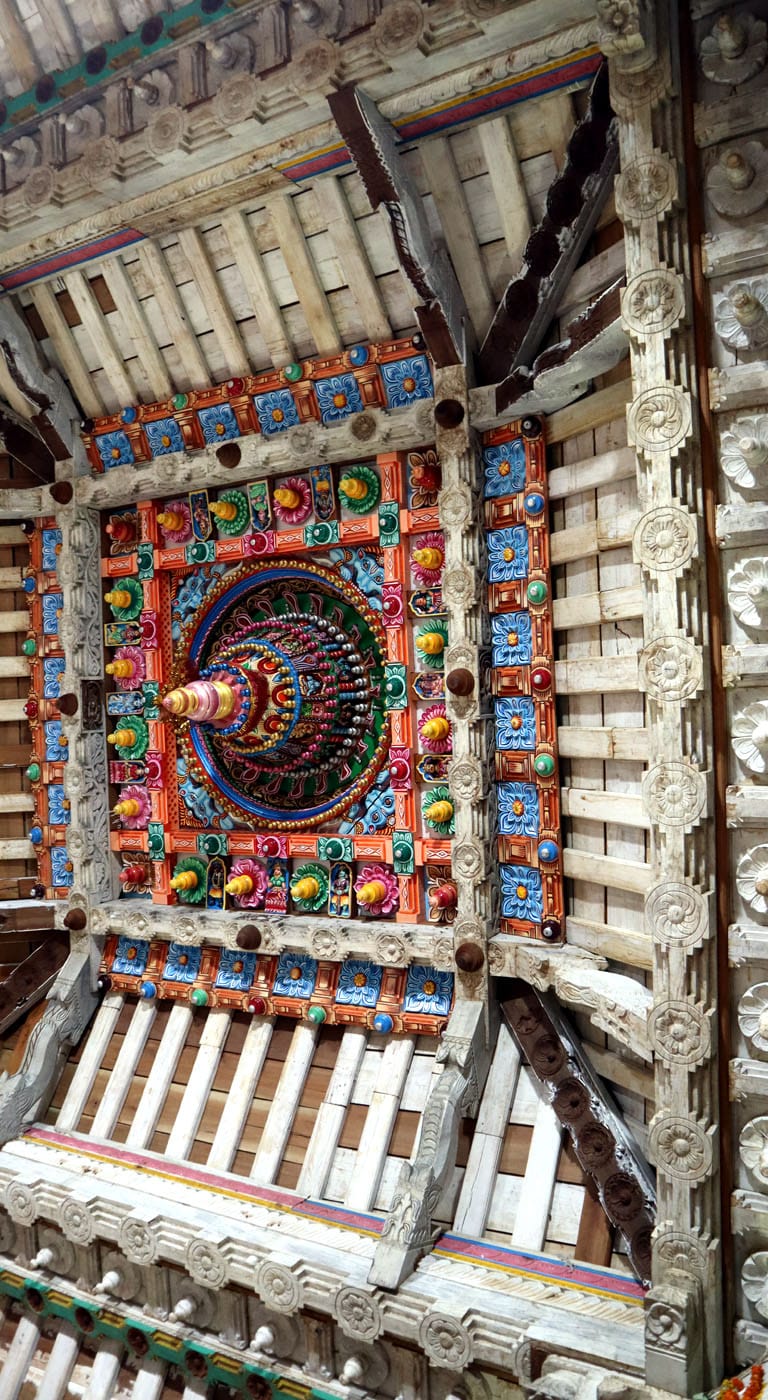
Inside the courtyard, several smaller shrines are dedicated to different deities, creating a miniature sacred complex. At its heart lies the central shrine, where Lord Shiva is worshipped in the form of a lingam. The sanctum is surrounded by pillared halls, each adorned with exquisite carvings depicting gods, goddesses, celestial beings, and scenes from Puranic stories.
The most awe-inspiring structure is the 50-feet-tall gopuram, rising gracefully above the temple. This multi-tiered tower features carvings arranged in meaningful themes:
- Lower levels: lions, elephants, birds, and other natural motifs
- Upper levels: mythological events like Samudra Manthan and the marriage of Shiva and Parvati
The blend of symbolism, mythology, and craftsmanship makes the gopuram the artistic centerpiece of the temple.
History, Legends & Cultural Importance
Apart from its documented history, the Sinha Nath Temple is steeped in local legends. The region surrounding the temple has long been considered spiritually powerful, and locals believe that worshipping at this shrine grants protection, strength, and inner peace. Over time, the temple has become a hub for cultural and religious activities, especially during festivals dedicated to Lord Shiva. Rituals, devotional songs, and community gatherings keep the temple alive throughout the year.
Why You Should Visit Sinha Nath Temple
Sinha Nath Temple is not just a religious spot—it is a place where history, art, spirituality, and nature come together beautifully. Travelers can admire centuries-old stone carvings, explore traditional Odia architecture up close, and enjoy the serene village atmosphere surrounding the temple. Photographers will find endless inspiration in the intricate sculptures, while devotees can immerse themselves in the peaceful, divine ambiance that fills the temple grounds.
If you are interested in Odisha’s temple heritage or simply want to discover hidden gems beyond mainstream tourist routes, Sinha Nath Temple is a rewarding destination.
How to Reach Sinha Nath Temple
Reaching the temple is easy, as T-Bridge village is well-connected to major cities in Odisha:
- From Cuttack: Approximately 30 km (1 hour by road) via local buses, taxis, or private vehicles.
- From Bhubaneswar: Around 45–50 km (1.5 hours), with regular transport options available.
- Nearest Railway Station: Cuttack Railway Station
- Nearest Airport: Biju Patnaik International Airport, Bhubaneswar
The journey itself is pleasant, passing through scenic rural landscapes.
Best Time to Visit
The ideal time to explore Sinha Nath Temple is:
- October to February: Pleasant weather and perfect for sightseeing
- During Maha Shivaratri & Shravan Month: The temple becomes vibrant with rituals and festive celebrations
- Post-monsoon (August–September): The surrounding greenery looks lush and refreshing
Avoid the peak summer months due to high temperatures.
For more detailed historical references and information about temples and heritage sites across Odisha, you can visit the Official Odisha Tourism website, which offers reliable insights and updated travel guidance. Explore more at: