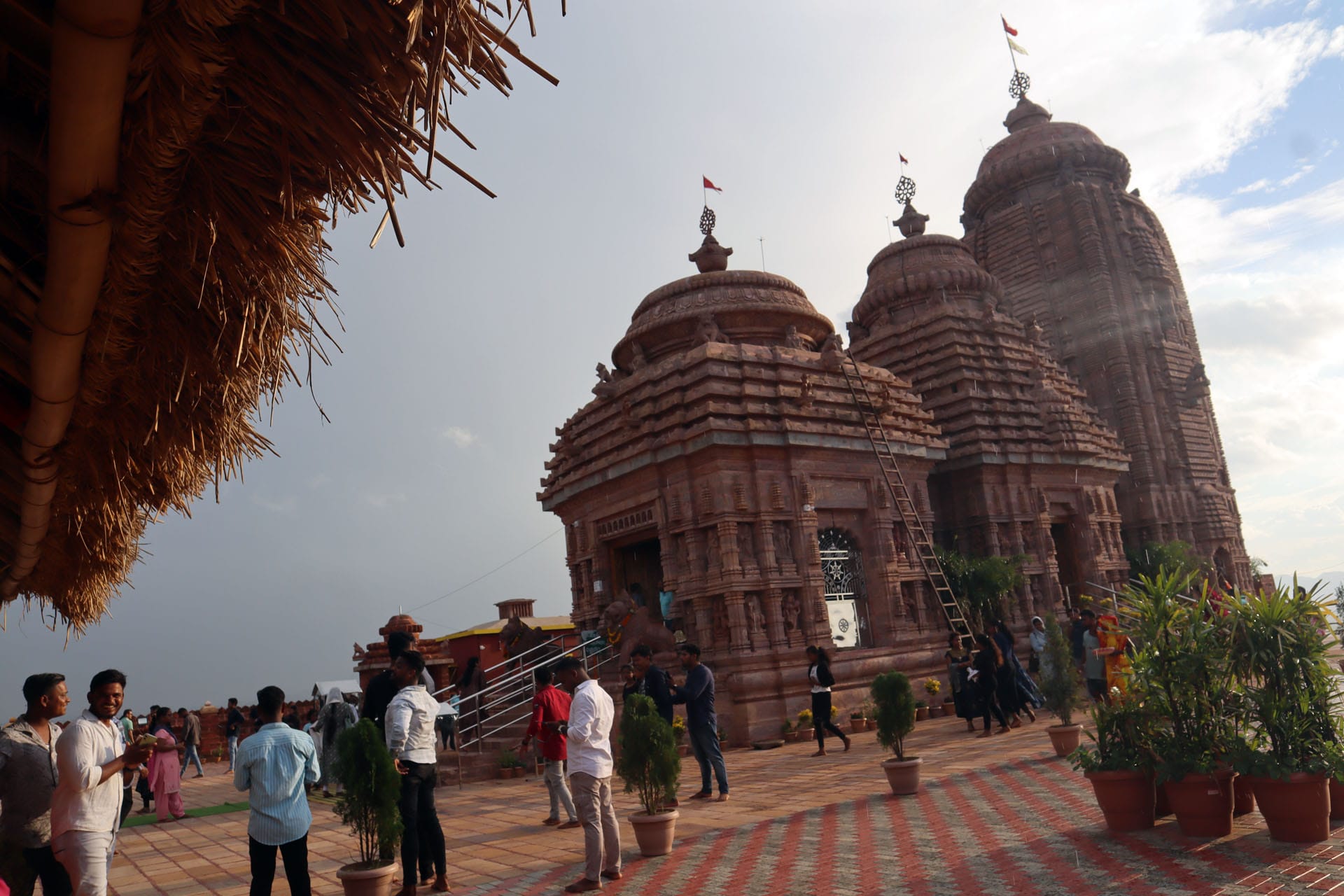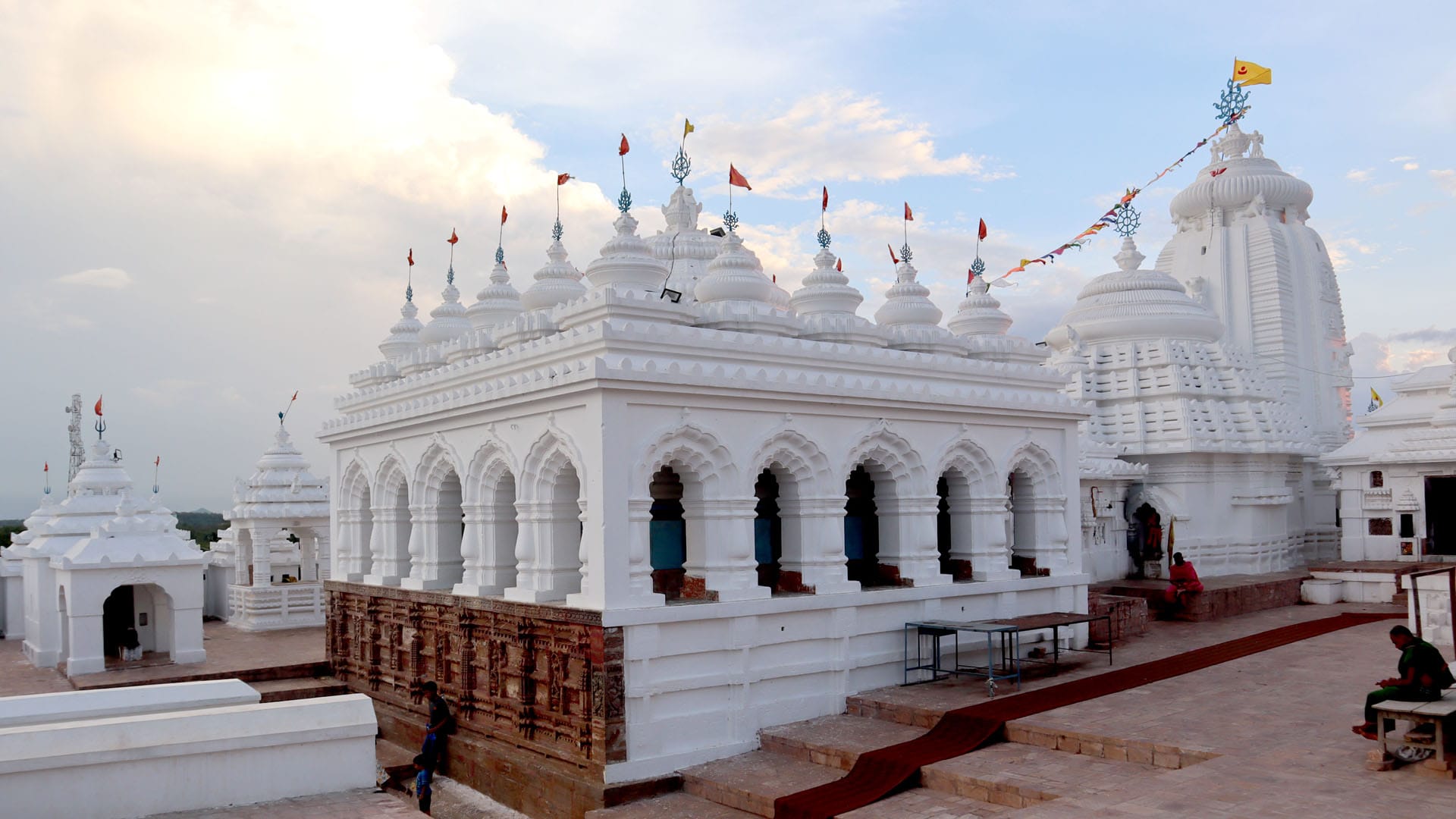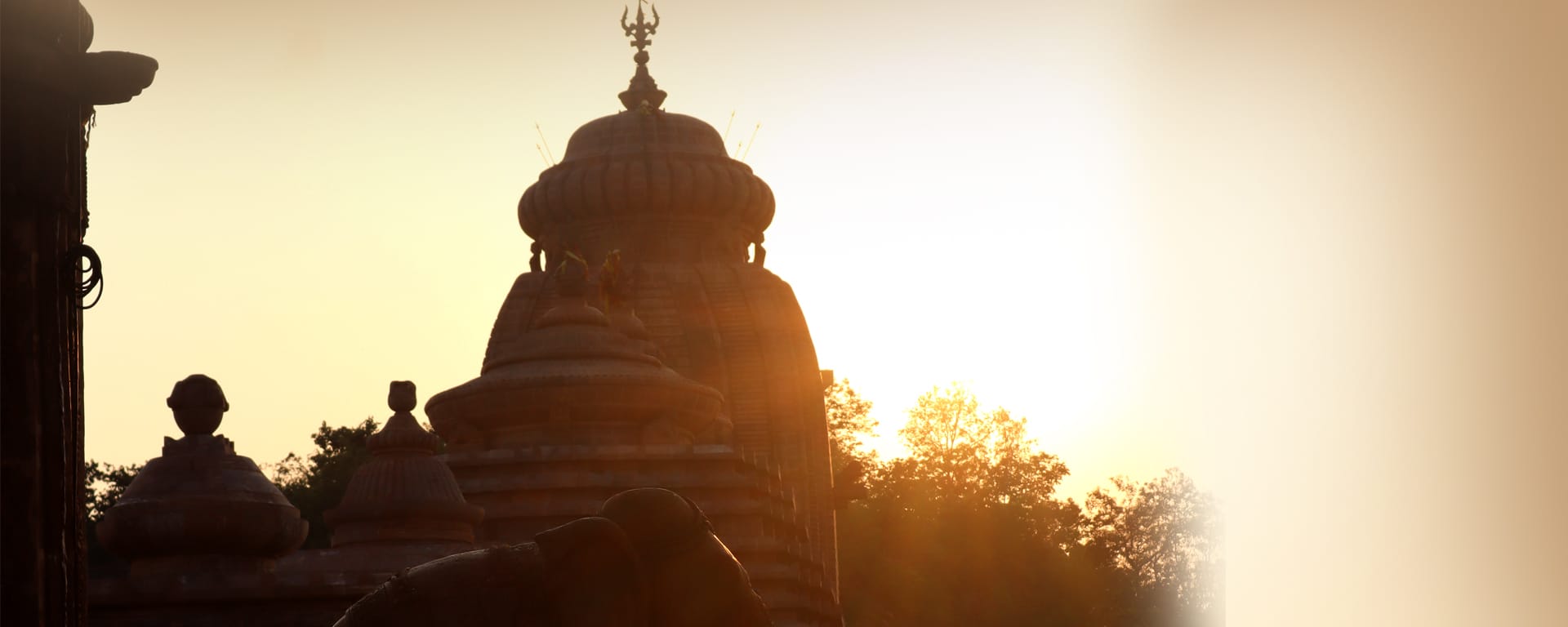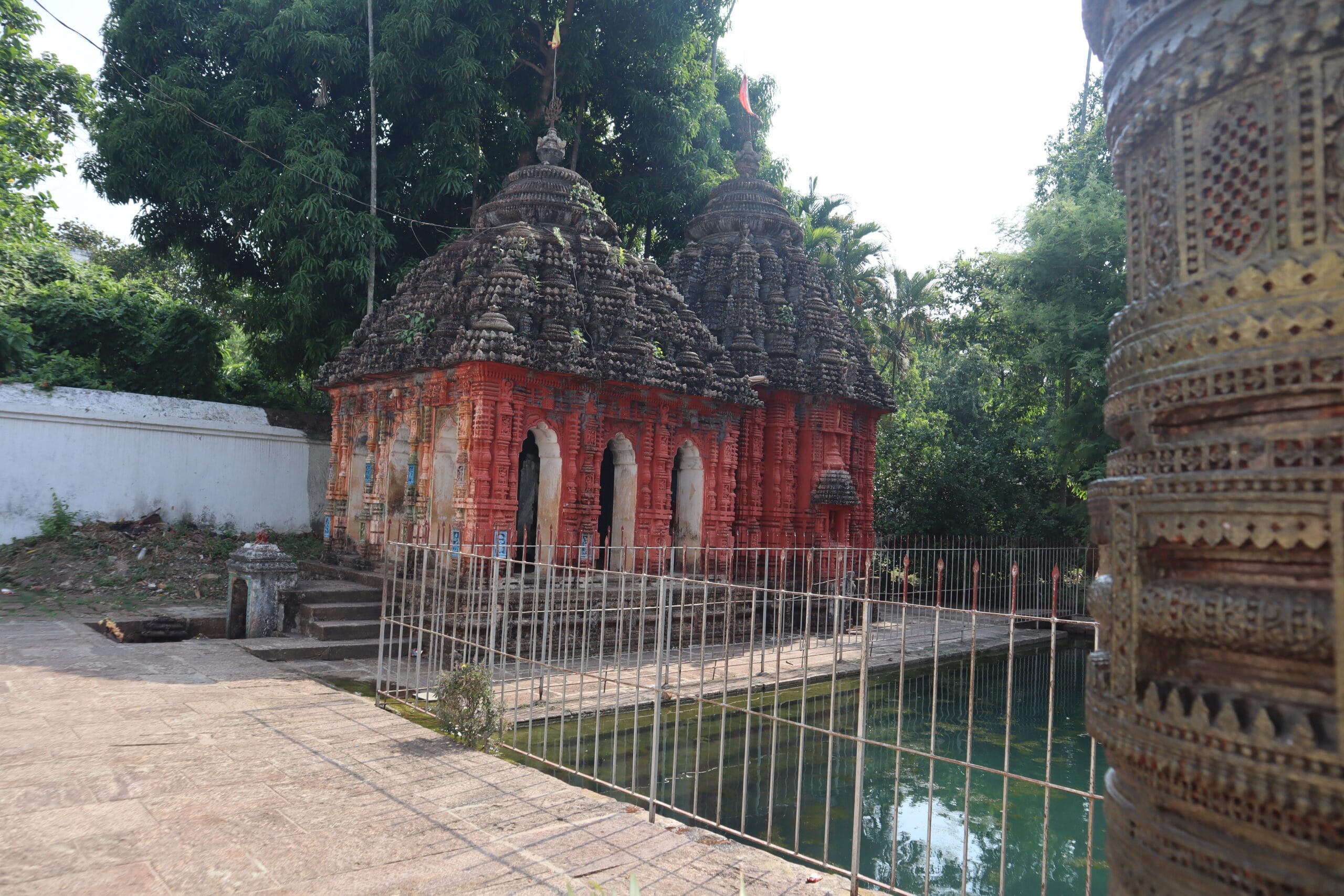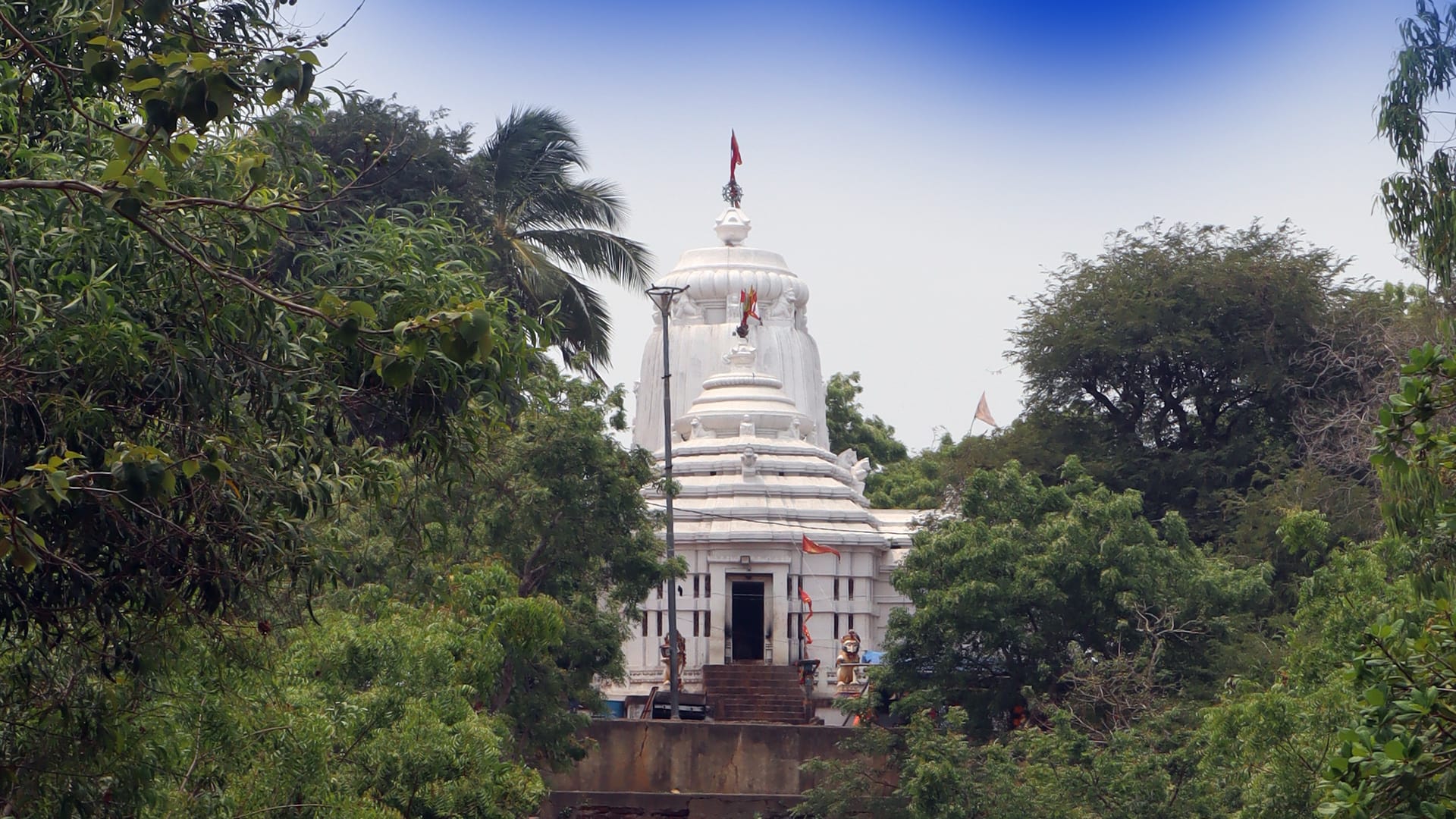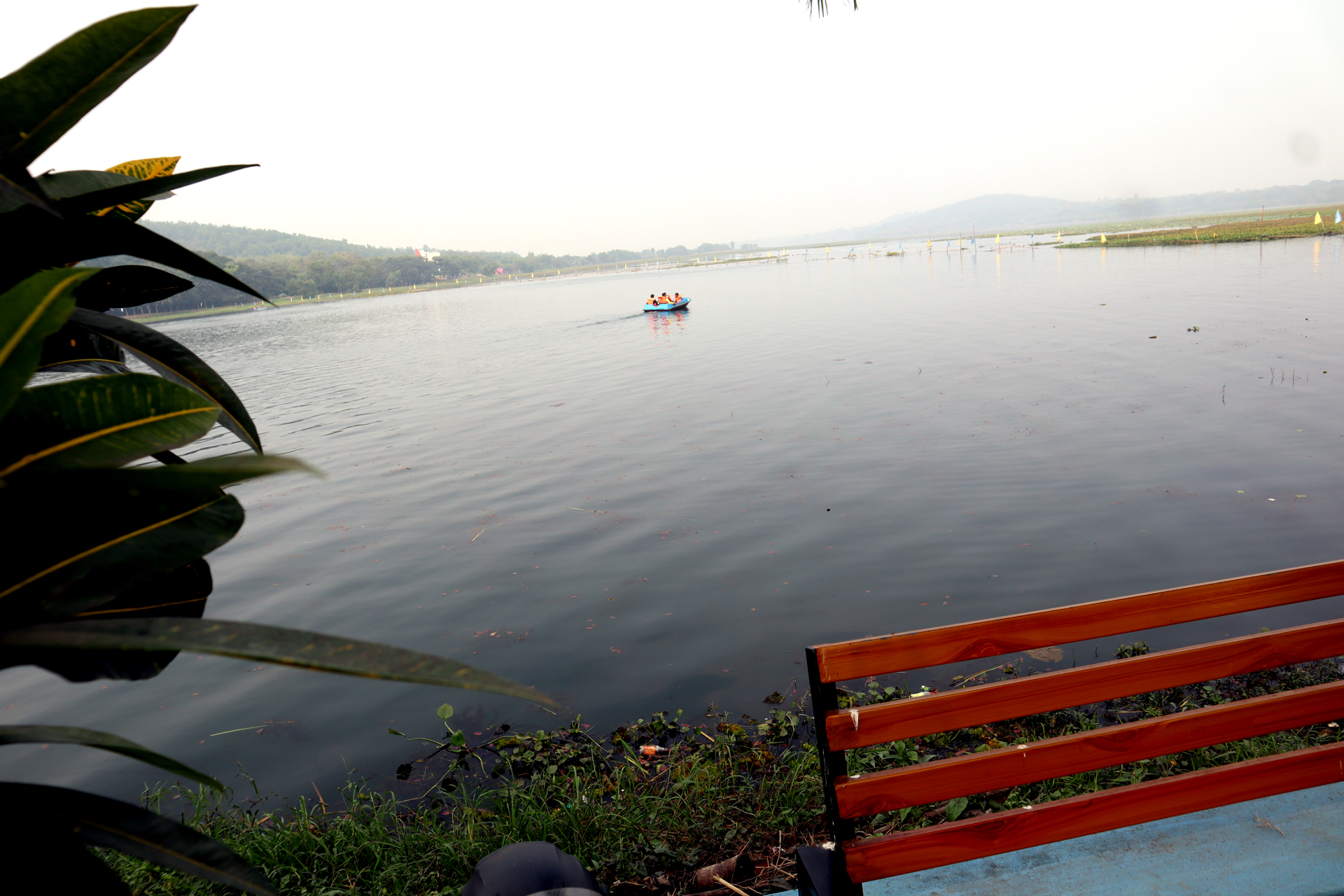
Nestled among the peaceful landscapes of Sarankul in Nayagarh district, the ancient Ladu Baba Temple stands as a magnificent symbol of Odisha’s deep-rooted spiritual traditions and architectural brilliance. Located about 13 km from Nayagarh town and around 70 km from Khordha, this shrine has, for centuries, drawn pilgrims, scholars, and travelers seeking divine solace, cultural enrichment, and an intimate encounter with Odisha’s temple legacy. Surrounded by gentle hills, rural charm, and an atmosphere steeped in devotion, Ladu Baba Temple remains one of the region’s most treasured spiritual destinations.

A Glimpse into a Thousand Years of History
The Ladu Baba Temple, also known locally as the Ladukeswar Temple, is believed to be over 1,000 years old, making it one of the oldest surviving shrines in Nayagarh. Built in the traditional Rekha Deul style, its architecture reflects the distinctive craftsmanship of ancient Kalinga builders who were known for their mastery in stone carving, structural design, and spiritual symbolism.
The presiding deity is Lord Shiva, worshipped lovingly as Ladu Baba, a name that reflects both affection and reverence among devotees. The Shiva Linga is believed to be Swayambhu (self-manifested), adding to the sanctity of the temple.
Historical references suggest that the temple flourished under the patronage of regional kings, saints, and local communities who considered it a cultural and spiritual anchor. Over time, it has evolved into a vibrant pilgrimage hub that blends Shaiva, Vaishnava, and Shakta traditions, symbolizing Odisha’s inclusive spiritual heritage.
Beyond the Sanctum – A Spiritual Complex of Many Shrines
While the main shrine dedicated to Ladu Baba is the heart of the temple, the complex houses multiple subsidiary shrines that deepen the spiritual experience of visitors. Each shrine carries its own story, artistic style, and devotional significance.
Goddess Durga Shrine
The shrine of Maa Durga radiates divine energy and is a popular place for daily worship and festival rituals. The idol’s presence enriches the temple’s spiritual fabric, attracting devotees from nearby villages throughout the year.
Ram, Lakshman, and Sita Temple
A gracefully designed shrine dedicated to Lord Rama, Mata Sita, and Lakshmana celebrates the principles of dharma, devotion, and righteousness. Devotees often offer prayers here before visiting the main Shiva shrine, symbolizing harmony among various Hindu traditions.
Shrines of Bada Thakur and Lakshmi
These smaller temples enhance the spiritual diversity of the complex. Bada Thakur is revered for protection and strength, while Goddess Lakshmi represents prosperity and well-being.
Dasa Mahavidya & Navagraha Temples
The presence of the Dasa Mahavidya (Ten Divine Wisdom Goddesses) and Navagraha (Nine Planetary Deities) shrines highlights the temple’s deep connection with tantric and astrological traditions in Odisha.
Suryamandir (Sun Temple)
With its distinct architectural identity, the Sun Temple within the complex adds another layer of cultural significance, symbolizing energy, light, and spiritual awakening.
Festivals and Rituals – A Living Tradition of Faith
Ladu Baba Temple is a vibrant center of religious activity throughout the year. The rituals here share similarities with those at the iconic Lingaraj Temple in Bhubaneswar, reflecting a rich blend of Shaivism, Vaishnavism, and Sadhu traditions.
Major Festivals Celebrated
- Jhulan Yatra – Celebrated with great devotion as idols are placed on beautifully decorated swings.
- Dolayatra (Holi) – A colorful festival where divine love and joy take center stage.
- Maha Shivaratri – The grandest celebration at the temple, drawing thousands of devotees who observe fasting and night-long worship of Lord Shiva.
- Shitalashtami – Dedicated to Goddess Shitala for health and protection.
- Chabish Ekadashi – Known for special fasting rituals.
- Pana Sankranti – Marks the Odia New Year with offerings of sweet “pana.”
- Durga Puja & Kali Puja – Illuminate the temple with vibrant rituals, decorations, and cultural programs.
During these festivals, the temple becomes a magnet for pilgrims, creating an atmosphere of devotion, color, music, and community bonding.
Planning Your Visit – A Temple That Welcomes All
Ladu Baba Temple opens daily and is well-organized to accommodate pilgrims and travelers:
Temple Timings
- Morning: 5:30 AM – 1:30 PM
- Evening: 4:30 PM – 8:30 PM
Whether you visit during festivals or on a quiet weekday, the temple offers a peaceful, soul-stirring experience.
Getting There
- Nearest Bus Stop: Raj-Ranpur – approx. 12 km
- Nearest Railway Station: Nayagarh Town – approx. 19 km
- Nearest Airport: Biju Patnaik International Airport, Bhubaneswar – approx. 99 km
Road conditions are good, and the route offers a scenic rural drive through Odisha’s charming countryside.
For more detailed information on Odisha’s spiritual tourism, nearby attractions, and official travel updates, you can explore the Odisha Tourism website:
👉 https://odishatourism.gov.in/