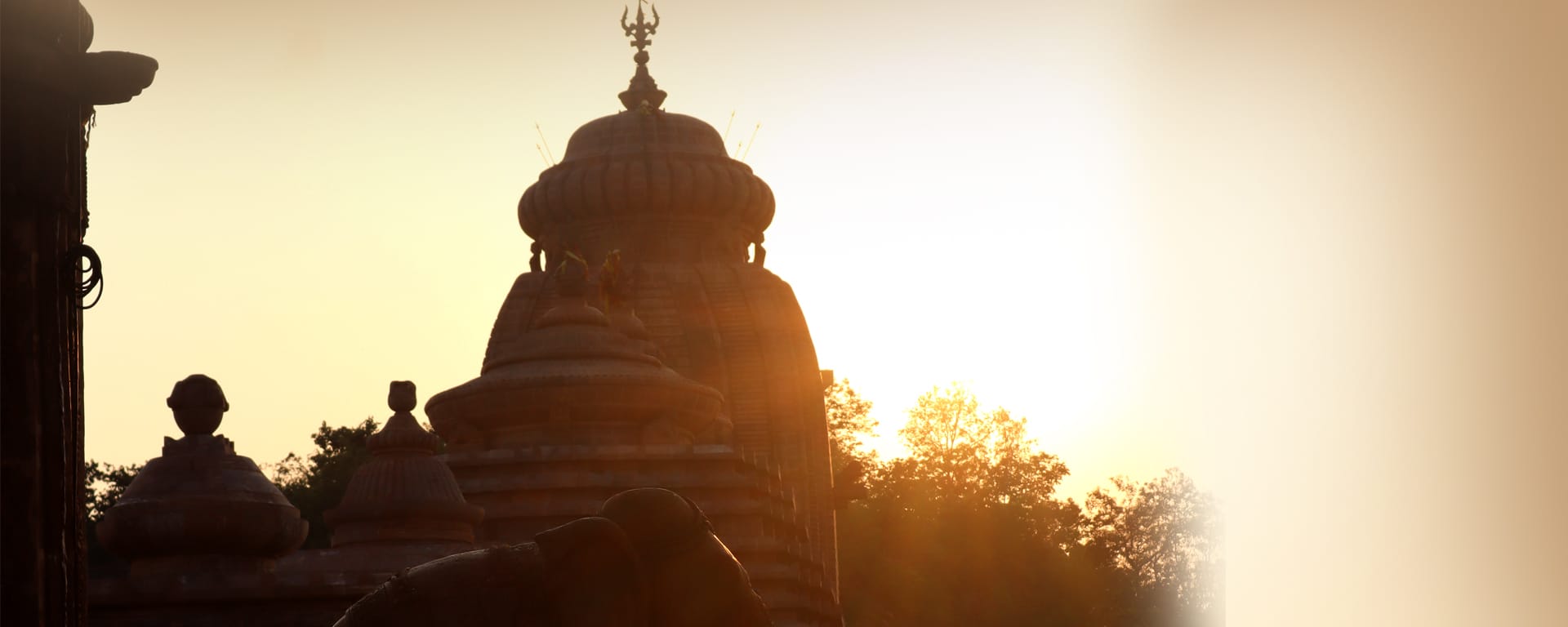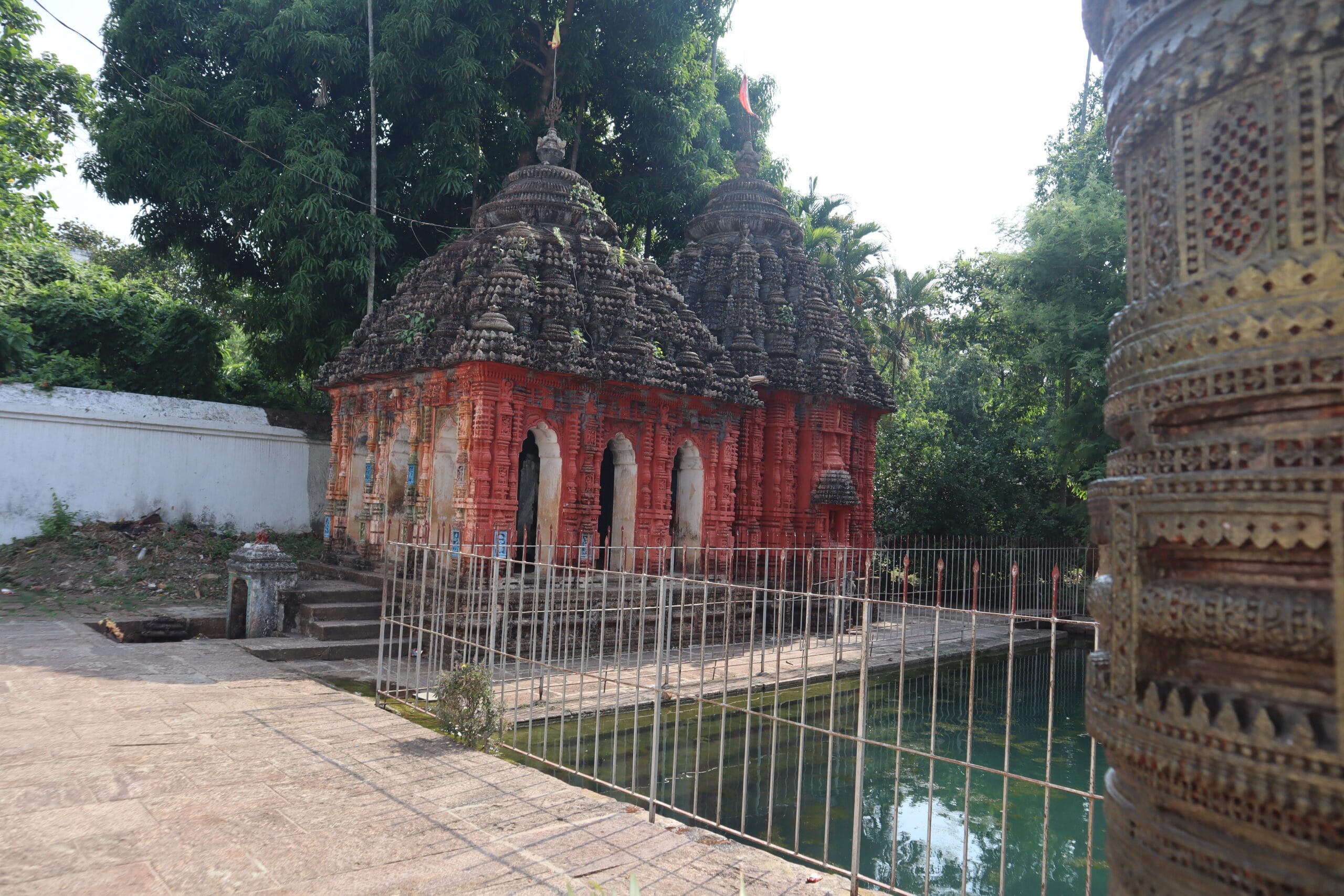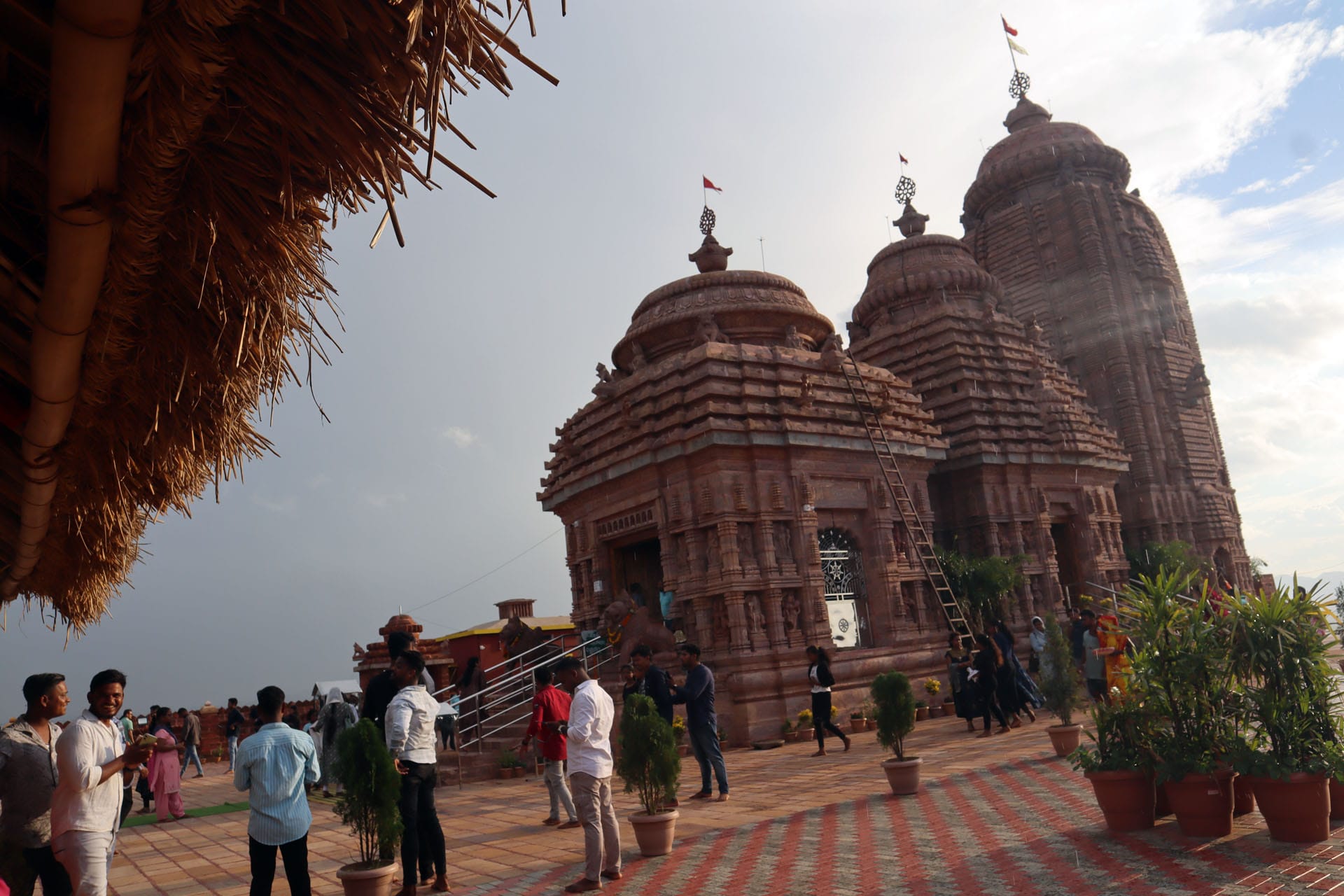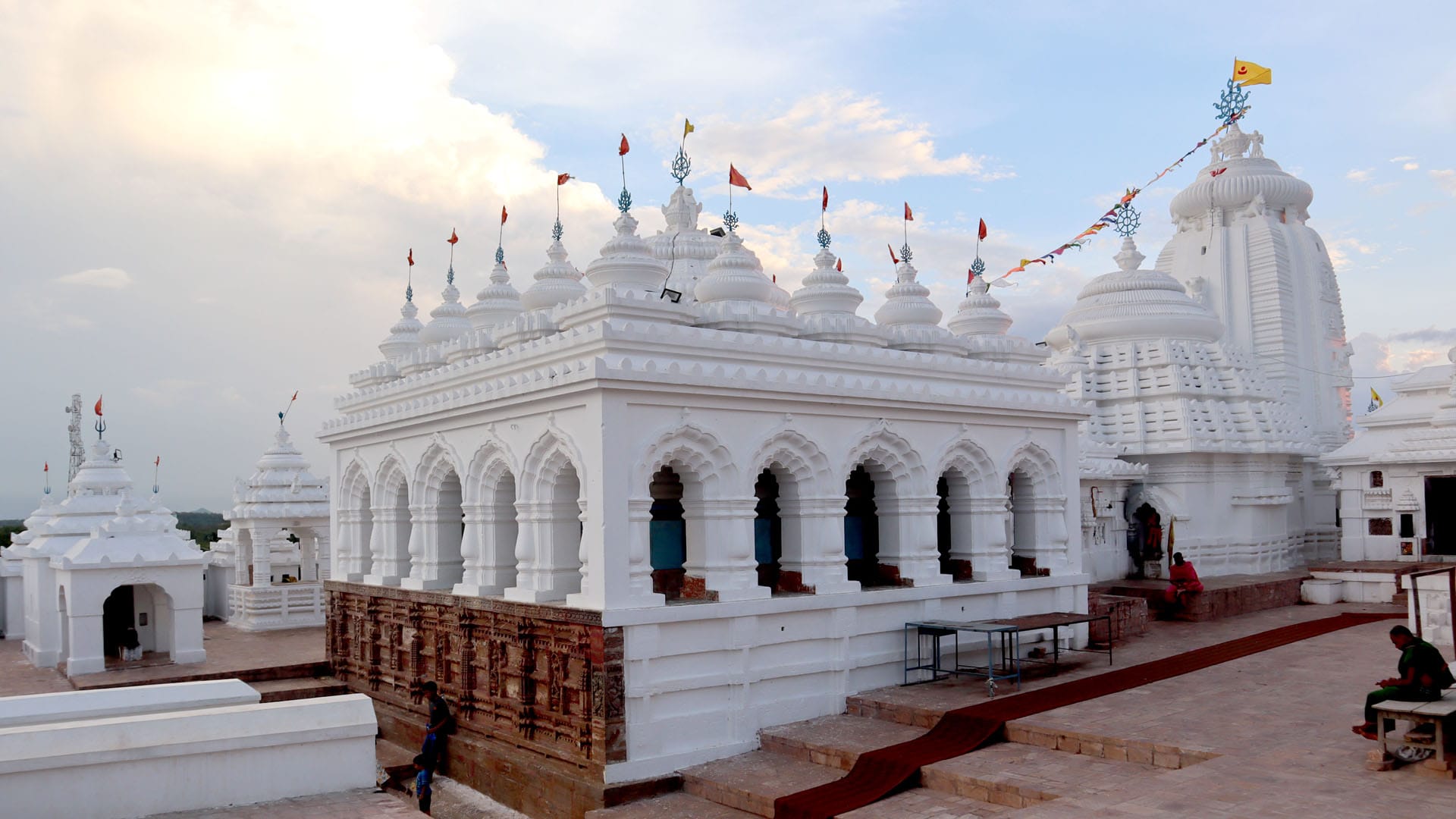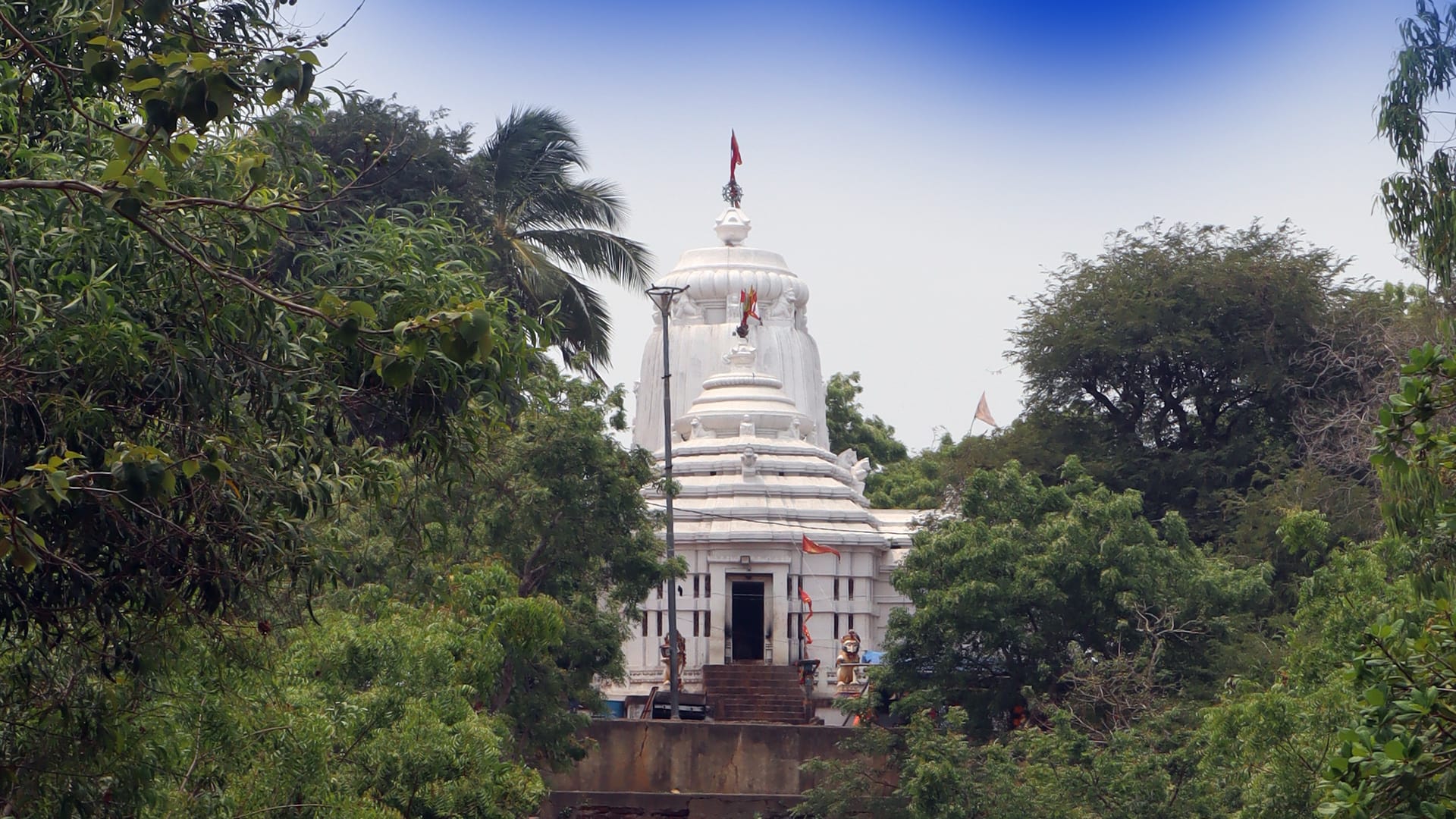
The ancient town of Jajpur, once the glorious capital of Odisha, stands as a living testament to the region’s profound cultural, spiritual, and historical legacy. Known traditionally as Biraja Kshetra, this sacred land has been a center of Shakta worship for thousands of years. It is one of India’s fifty-one Shakti Pithas and a revered pilgrimage destination mentioned even in the Mahabharata. For devotees and history enthusiasts alike, the Biraja Temple is more than a monument—it is a divine gateway into Odisha’s timeless heritage.

A Sacred Legacy Rooted in Mythology
According to ancient legend, when Goddess Sati’s body was dismembered by Lord Vishnu’s Sudarshan Chakra, her navel (nabhi) fell in Jajpur. This made the region one of the holiest Shakti Pithas, earning it the name Navigaya, and later Biraja Kshetra. This sacred presence of Sati symbolizes the eternal feminine power—Shakti—that sustains the universe.
It is believed that a pilgrimage to the Biraja Temple brings moksha (salvation) not only for the devotee but also for seven generations of ancestors. This deep association with liberation makes Jajpur one of the most spiritually significant places in Hindu traditions.
Rise of a Spiritual Empire
The powerful Bhaumakara dynasty, which ruled Odisha from the 8th to 10th century AD, were devoted worshippers of Goddess Biraja. Their reign transformed Jajpur into a vibrant religious and cultural hub. The subsequent Somavamsi rulers carried this legacy forward, and it was during the 11th century under their patronage that the present Biraja Temple structure took shape.
However, the temple’s journey was not without hardship. During the Afghan invasion under Kalapahad in 1568 AD, the structure faced desecration. Yet, the resilience of faith prevailed. In the 19th century, the temple was lovingly restored by Zamindar Sudarshan Mohapatra, reviving its sanctity and grandeur.
The Unique Icon of Goddess Biraja
What makes Biraja Temple truly remarkable is the rare iconography of the deity.
Goddess Biraja here is depicted as:
- Mahisamardini, the slayer of the buffalo demon
- Dwibhuja (two-armed) form — extremely unique among Durga temples
- Holding a spear that pierces Mahisasura, symbolizing the triumph of righteousness
Her serene yet powerful posture radiates divine energy, making devotees instantly feel protected and spiritually uplifted.
Along with the main deity, the temple complex features a wide array of subsidiary shrines dedicated to Shiva, Vishnu, Surya, and various tantric deities—each adding another layer to the temple’s mythological depth.
Architectural Grandeur Rooted in Tradition
The temple showcases the classic Kalinga style of architecture, known for its intricate carvings, towering shikharas, and refined stone artistry. Its robust stone walls whisper stories of dynasties, rituals, and centuries of devotion.
Noteworthy structures within the complex include:
- The Vimana (sanctum) with beautifully carved motifs
- Jagamohana (assembly hall) featuring ornate pillars
- Numerous sculptures from the Somavamsi period
- Sacred tanks and kunds used in rituals, including the renowned Brahma Kund
Despite facing historical destruction, the reconstructed temple maintains the grandeur and spiritual aura befitting a powerful Shakti Peetha.
Rituals, Offerings & Temple Traditions
The Biraja Temple is renowned for its traditional rituals rooted in ancient tantric practices. Devotees offer:
- Coconuts
- Mustard oil lamps
- Ripe fruits
- Special Naivedya preparations unique to Biraja Kshetra
One of the most significant festivals here is the Biraja Ratha Yatra, held during Saradiya Durga Puja. Instead of the deity herself, a representative idol is taken out in a grand procession for nine days, attracting thousands of devotees.
Other important celebrations include:
- Navaratri
- Dussehra
- Panchuka rituals
- Special ancestral rites due to the temple’s Navigaya heritage
Every ritual at Biraja Kshetra reinforces the bond between the divine feminine and her devotees, making the temple a powerhouse of spiritual energy.
Biraja Temple in the Cultural Map of India
Widely recognized among:
- 51 Shakti Peethas
- 18 Maha Shakti Peethas
The Biraja Temple is a sacred pilgrimage spot that anchors Jajpur’s identity as a land of spiritual greatness. Devi Biraja, also worshipped as Viraja or Girija, is believed to purify the soul and grant liberation from worldly sufferings.
Exploring Jajpur — A Blend of Spirituality and Heritage
Jajpur district, located at an elevation of 11.5 meters, offers more than just divine experiences. Travelers can explore:
- Brahma Kund
- Ancient temples from the Somavamsi era
- Traditional Odia cuisine
- Local brass and handicraft markets
The best time to visit is October to February, when the weather is cool and ideal for temple exploration.
How to Reach Biraja Temple
Reaching Jajpur is convenient due to strong connectivity:
- By Road: Regular buses and taxis operate from Bhubaneswar, Cuttack & nearby towns
- By Rail: Jajpur Keonjhar Road Railway Station is the nearest major railhead
- By Air: Biju Patnaik International Airport, Bhubaneswar (approx. 125 km)
Jajpur’s proximity to Odisha’s capital makes it perfect for a day trip or weekend spiritual getaway.
For travelers who wish to explore more sacred destinations, festivals, and heritage circuits across Odisha, you can also refer to the official Odisha Tourism portal for updated travel guides and resources:
👉 https://odishatourism.gov.in/