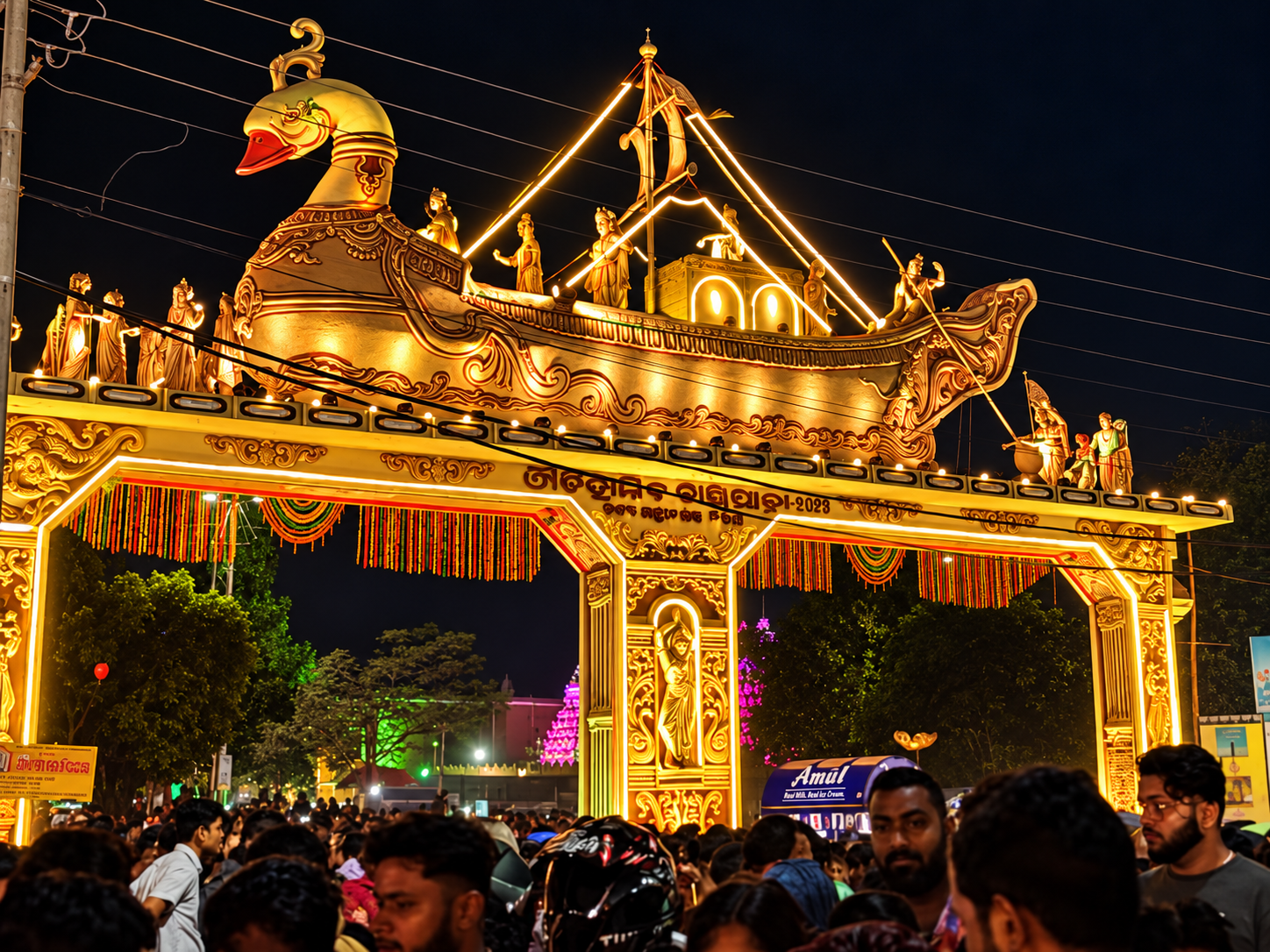
The Puri Jagannath Temple, known locally as Shree Mandira, is one of the most sacred places in India and the spiritual heart of Odisha. Dedicated to Lord Jagannath, the “Lord of the Universe”, it is one of the four Char Dham pilgrimage sites along with Badrinath, Dwarka and Rameswaram. Every day thousands of devotees visit for darshan, and during Rath Yatra the crowd rises to millions.
In this guide we cover the history of the temple, its deities, 10 sacred rituals and traditions, the entry rules and dress code, the best time for darshan and how to reach Puri.
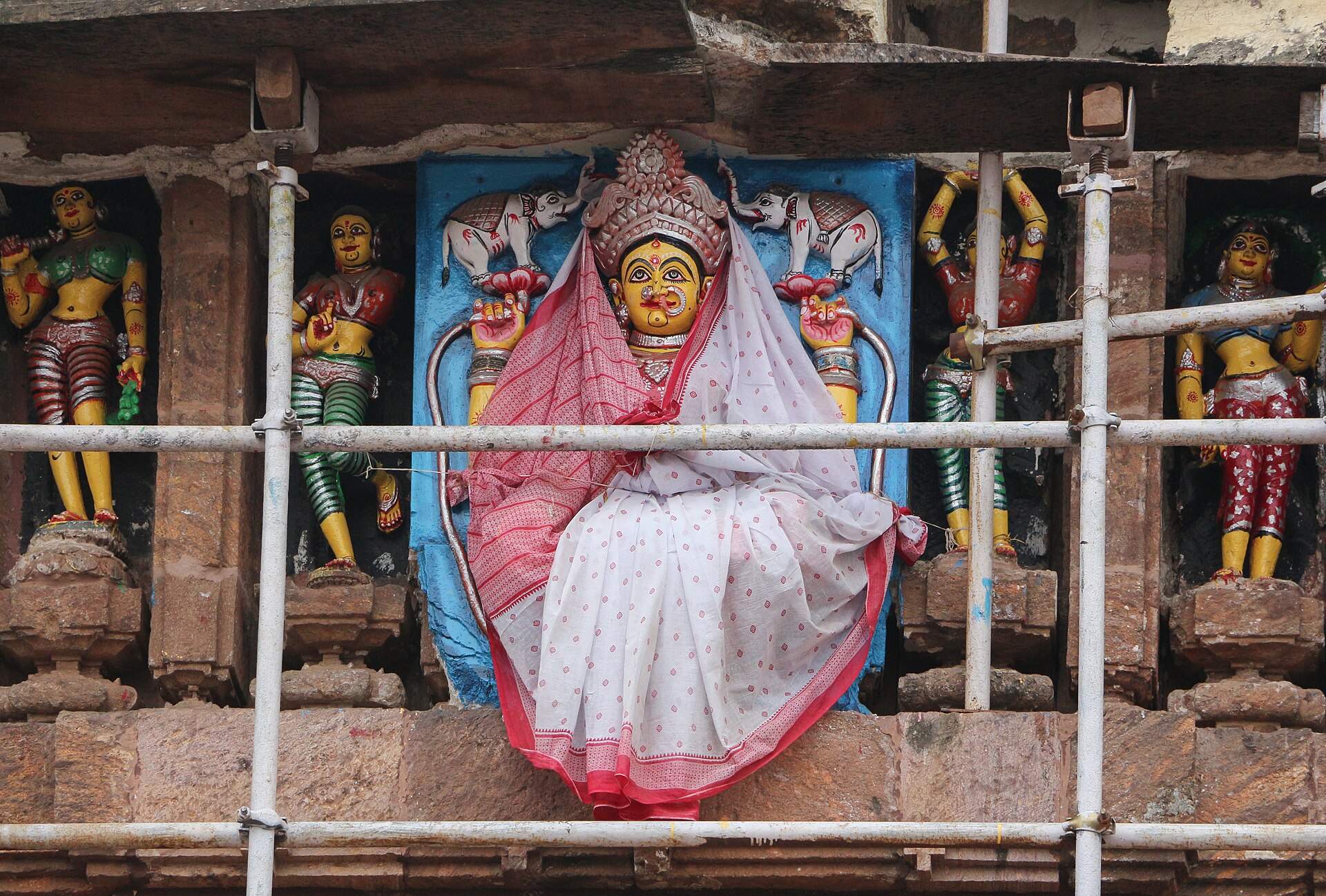
Puri Jagannath Temple at a Glance
- Location: Grand Road (Bada Danda), Puri, Odisha
- Built: 12th century
- Built by: King Anantavarman Chodaganga Deva of the Eastern Ganga dynasty
- Style: Classical Kalinga architecture
- Height of the main tower: About 65 metres
- Deities: Lord Jagannath, Lord Balabhadra, Devi Subhadra and Sudarshana
- Famous for: Rath Yatra, Mahaprasad, Nabakalebara
- Best time to visit: October to March
History of the Puri Jagannath Temple
According to Odisha Tourism, the 12th-century Shree Mandira was built by King Anantavarman Chodaganga Deva in the classical Kalinga style, and for nearly a thousand years it has blended devotion, culture and community life in Odisha. The temple complex covers more than 10 acres and is surrounded by two high walls. Inside are around a hundred smaller shrines.
At the top of the 65-metre tower shines the Neela Chakra, a wheel made of eight metals, visible from far across the town.
Architecture of the Puri Jagannath Temple
The Puri Jagannath Temple follows the four classic parts of Kalinga architecture:
- Vimana – the main sanctum with the tall spire
- Jagamohana – the assembly hall
- Natamandira – the dance hall
- Bhoga Mandapa – the offering hall
The main entrance is the grand Singhadwara (Lion Gate) on the east, guarded by two stone lions. In front of it stands the Aruna Stambha, a pillar originally brought from the Konark Sun Temple.
The Deities
The four deities of the Puri Jagannath Temple sit on the jewelled platform called the Ratna Simhasana:
- Lord Jagannath – a form of Lord Vishnu/Krishna, with large round eyes
- Lord Balabhadra – his elder brother
- Devi Subhadra – their sister
- Sudarshana – the divine discus, in the form of a wooden pillar
The deities are carved from sacred neem wood called Daru, unlike the stone or metal images of most Hindu temples.
10 Sacred Rituals of the Puri Jagannath Temple
- Nabakalebara: The wooden deities are renewed every 12 to 19 years in a centuries-old ritual. The most recent Nabakalebara was in 2015.
- Daily flag change: Every evening a servitor climbs the outside of the tower, without safety gear, to change the flag on the Neela Chakra.
- Mahaprasad: Food is cooked in earthen pots on wood fires in one of the world’s largest temple kitchens.
- Ananda Bazar: The market inside the temple where Mahaprasad is sold and shared by people of all backgrounds.
- Snana Purnima: The deities are bathed with 108 pots of water.
- Anasara: After the bath the deities rest for about two weeks, away from public view.
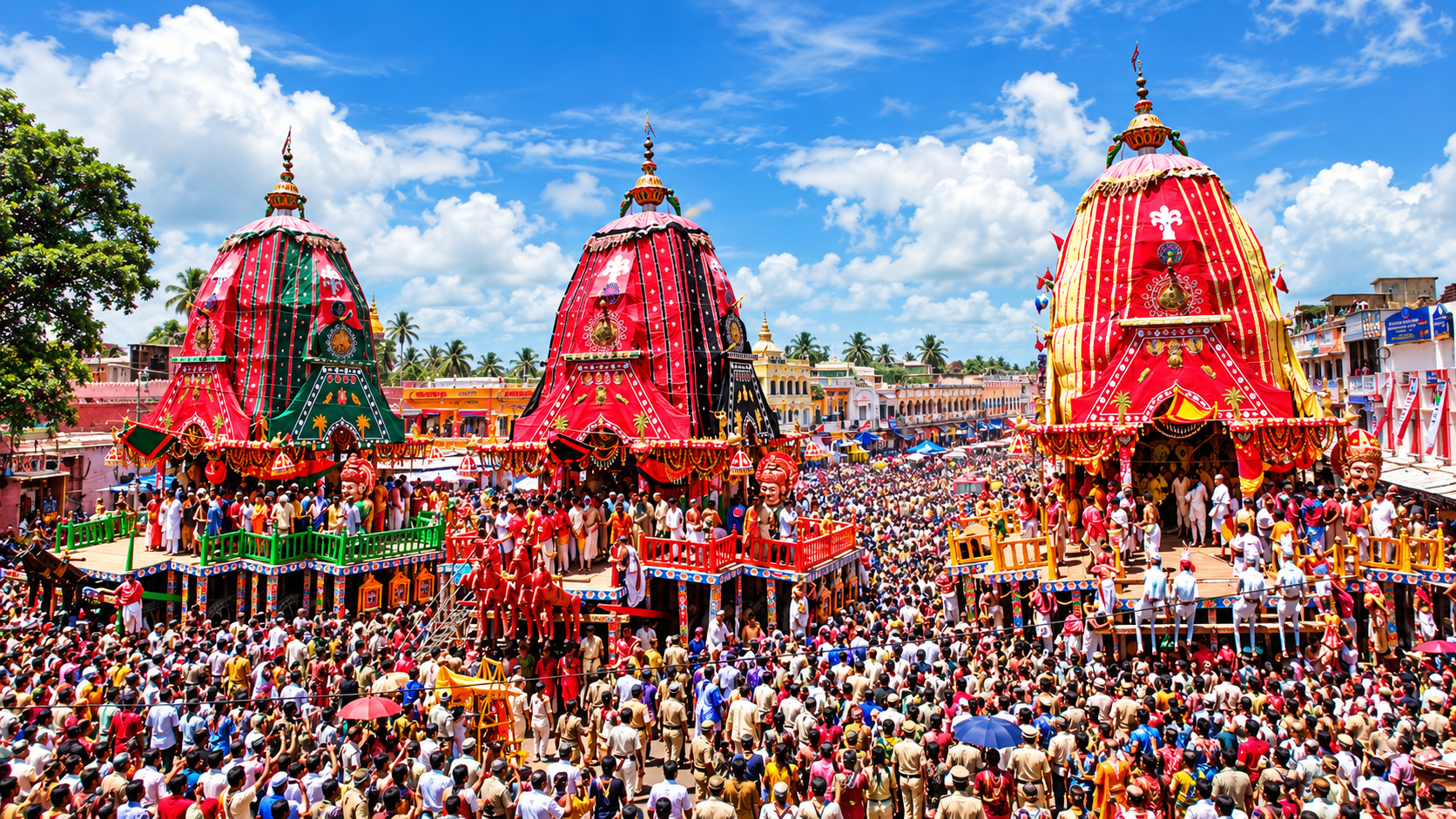
- Rath Yatra: The deities travel on three giant wooden chariots to the Gundicha Temple.
- Suna Besha: After Rath Yatra the deities are adorned with gold ornaments on their chariots.
- Chhera Pahanra: The Gajapati King of Puri sweeps the chariots with a golden broom, showing that all are equal before the Lord.
- Daily seva: More than a thousand servitor families perform rituals from early morning until night.
Puri Jagannath Temple Entry Rules and Dress Code
- Only Hindus are allowed inside. Visitors of other faiths can view the temple from outside, traditionally from the roof of the Raghunandan Library opposite.
- A traditional dress code is mandatory. Men should wear dhoti, kurta-pyjama or full trousers with a shirt; women should wear a saree, salwar kameez or similar. Shorts, sleeveless tops and ripped jeans are not allowed.
- Mobile phones, cameras, leather items and footwear are not allowed inside. Use the deposit counters near the entrance.
- Photography inside the temple is strictly prohibited.
- Darshan timings change during festivals. Check with the Shree Jagannath Temple Administration before your visit.
Best Time to Visit the Puri Jagannath Temple
- October to March: Pleasant weather for darshan and the beach.
- Early morning: Fewer crowds and a peaceful atmosphere.
- Rath Yatra (June–July): An extraordinary experience – book your stay early.
How to Reach Puri
- By air: Biju Patnaik International Airport, Bhubaneswar, is about 60 km away.
- By train: Puri railway station connects to Kolkata, Delhi, Mumbai, Chennai and Hyderabad.
- By road: Regular buses and taxis run from Bhubaneswar. Autos and cycle-rickshaws reach the temple.
Tips for Visiting the Puri Jagannath Temple
- Leave phones, cameras and leather items at your hotel or the deposit counter.
- Avoid unauthorised guides and follow the official queue system.
- Do taste the Mahaprasad at Ananda Bazar.
- Walk along the Bada Danda and the markets around the temple.
Nearby Places to Visit
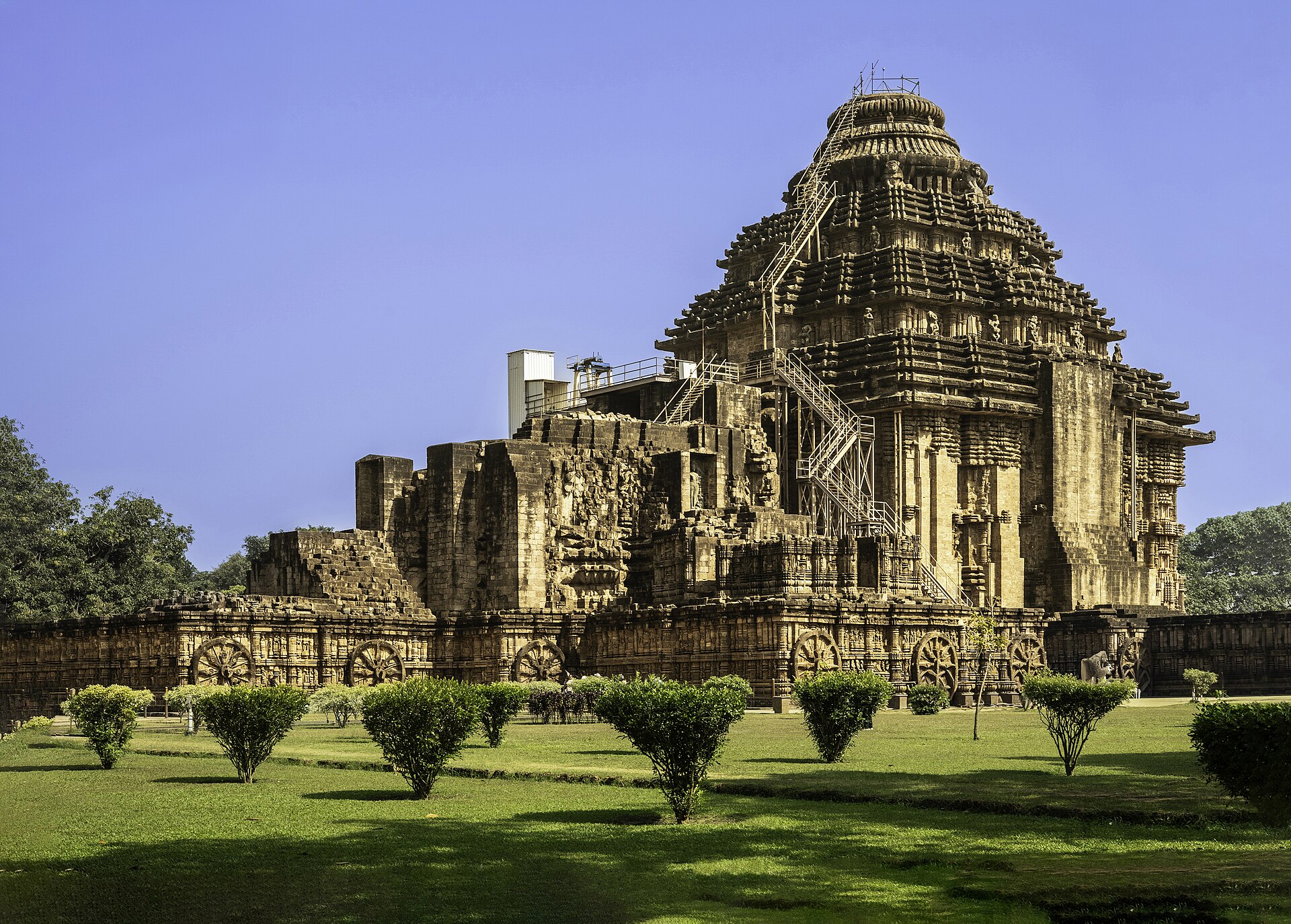
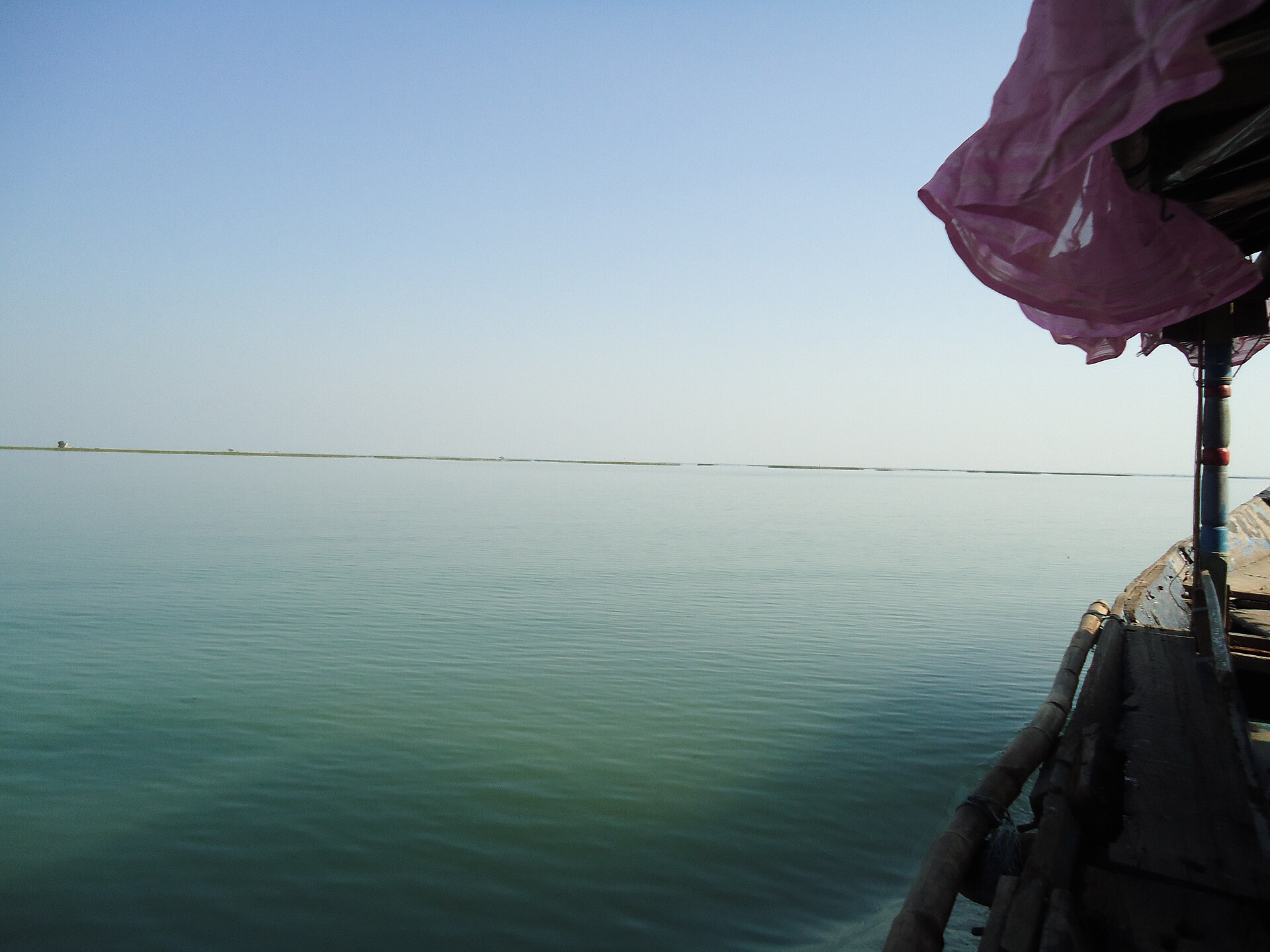
After darshan, relax at the Golden Beach of Puri, drive along Marine Drive to the Konark Sun Temple, or see dolphins at Chilika Lake. In Bhubaneswar, visit the Lingaraj Temple and the Mukteswara Temple.
Frequently Asked Questions
Who built the Puri Jagannath Temple?
King Anantavarman Chodaganga Deva of the Eastern Ganga dynasty built it in the 12th century.
Can non-Hindus enter the Puri Jagannath Temple?
No. Only Hindus are allowed inside, but everyone can view it from outside.
What is Mahaprasad?
It is the sacred food offered to Lord Jagannath and then shared with devotees at Ananda Bazar.
Is there a dress code?
Yes, traditional Indian dress is mandatory for all devotees.
Conclusion
The Puri Jagannath Temple is much more than a place of worship – it is a living tradition that has shaped Odisha’s culture for nearly a thousand years. Whether you come as a devotee or a curious traveller, Puri will touch your heart with its faith, rituals and warm people. Jay Jagannath!