
The Dhauli Shanti Stupa, also known as the Peace Pagoda, is one of Odisha’s most iconic Buddhist landmarks. Located just 7 km from Bhubaneswar, this serene hilltop monument marks the historic site where Emperor Ashoka abandoned violence after the Kalinga War and embraced the teachings of Buddhism.
For travellers exploring Odisha’s cultural and spiritual heritage, Dhauli is a must-visit destination showcasing peace, history, and stunning hilltop views.

History and Significance of Dhauli Shanti Stupa
The word Shanti means peace, and every corner of this monument reflects Ashoka’s transformation from a conqueror to a compassionate ruler.
Ashoka’s Turning Point
After witnessing the massive loss of life in the Kalinga War, Emperor Ashoka experienced deep remorse. Historical texts suggest that Dhauli Hill was the place where he saw the Daya River turn red with the blood of soldiers, sparking a profound inner change. This moment of realisation led him to renounce violence and adopt the principles of Dharma — peace, kindness, and moral living.
Ashokan Rock Edicts
At the base of Dhauli Hill lie some of the most important Rock Edicts of Ashoka. These inscriptions, carved more than 2,000 years ago, promote ethical behaviour, non-violence toward all beings, and responsible governance. They are among the earliest known examples of moral messages issued by a ruler anywhere in the world, making Dhauli a treasured archaeological site.
Architecture of Dhauli Peace Pagoda
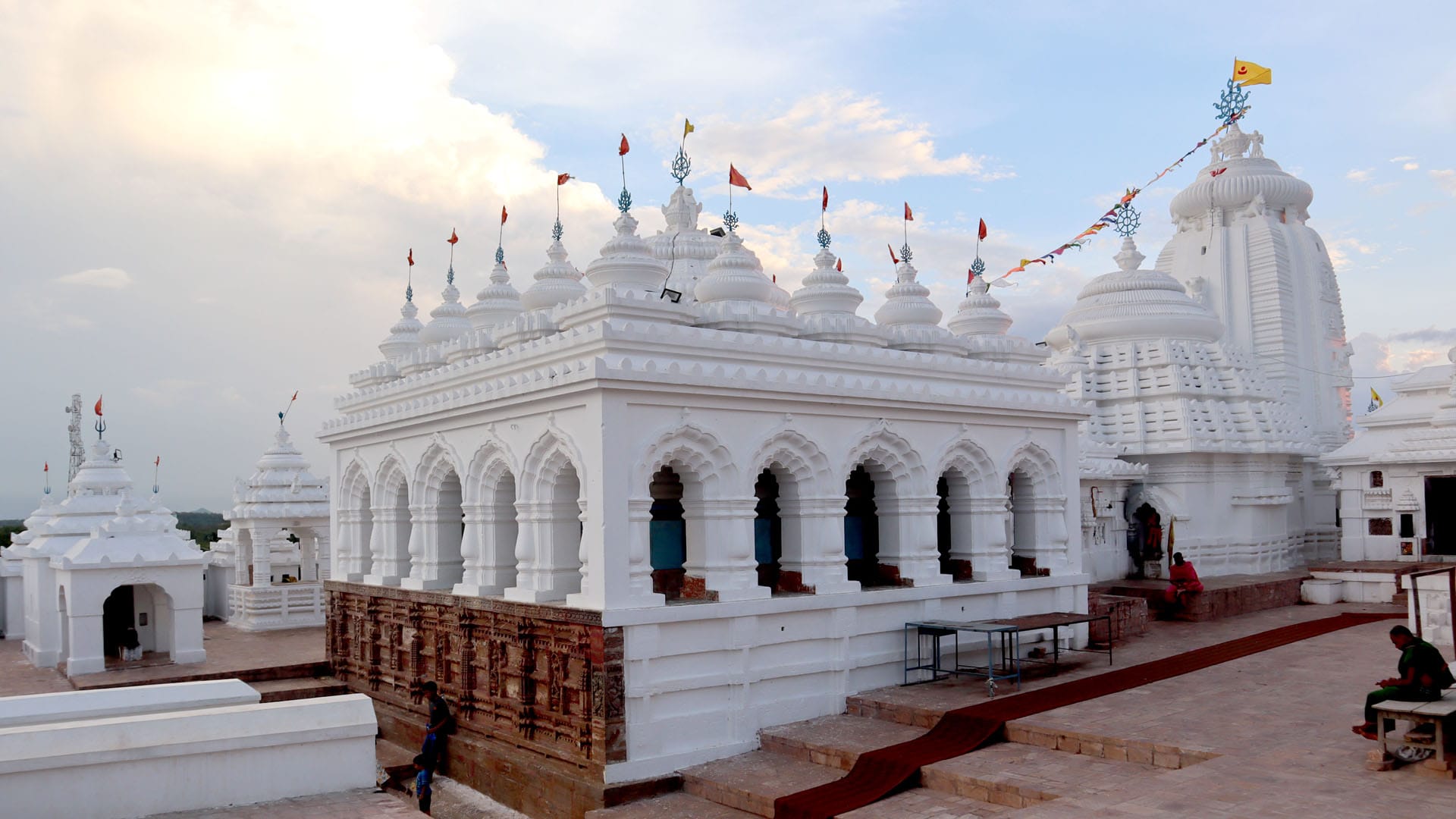
Built in the early 1970s under the guidance of Nichidatsu Fujii, a renowned Japanese Buddhist monk and founder of the Nipponzan Myohoji Buddhist Order, the stupa symbolizes global peace and Indo-Japanese friendship. The gleaming white structure features four intricately carved statues of Buddha in different poses — symbolising meditation, teaching, enlightenment, and compassion. Surrounding panels depict scenes from Emperor Ashoka’s life and moments of Buddhist history.
The stupa’s elevated location offers panoramic views of the Daya River, the surrounding countryside, and the battlefield plains of ancient Kalinga. Sunrise and sunset at Dhauli are especially magical, giving visitors a calm and spiritual experience.
Whether you are a history buff, a spiritual seeker, or simply someone looking to explore Odisha’s heritage, Dhauli Shanti Stupa stands out as a powerful reminder of peace and transformation. For more iconic heritage destinations, visit OdishaDiscover.in.
Architectural Highlights
- Height: 22.8 meters
- Diameter: 28.3 meters
- Painted in serene white and golden-yellow shades
- Walls adorned with eight auspicious Buddhist symbols
- Sculptures depicting Buddha’s life and teachings
- Peaceful prayer wheels and meditation spaces
The clean, minimal yet powerful design reflects Buddhist philosophy and offers a serene environment for meditation.
A Place of Peace, Spirituality & Scenic Beauty
Dhauli Shanti Stupa is not just a religious monument — it is a global symbol of peace, attracting visitors from all corners of the world. Pilgrims, monks, historians, and tourists come here to:
- Pay homage to Buddha
- Reflect on Ashoka’s transformation
- Meditate in a peaceful environment
- Enjoy beautiful views of the Daya River and the surrounding countryside
The hilltop location offers one of the best panoramic sights near Bhubaneswar.
How to Reach Dhauli Shanti Stupa
Dhauli is conveniently located on the Bhubaneswar–Puri highway, making it easily accessible for tourists.
- From Bhubaneswar:
Distance: 7 km
Travel Time: 15–20 minutes
Transport: Auto, taxi, private car, or city bus - From Puri:
Around 55 km away
A popular stop for pilgrims traveling to Puri and Konark
Why You Should Visit Dhauli
- To witness the place where Ashoka embraced Buddhism
- To explore ancient rock edicts with historical importance
- To enjoy peaceful surroundings ideal for meditation
- To admire Indo-Japanese architecture
- To capture stunning photos of the hillside and river
.
For travelers who want to explore Dhauli in deeper detail, several reliable resources offer historical, cultural, and travel insights. Official Odisha Tourism Page on Dhauli provides verified information on visiting hours, attractions, and nearby heritage sites. You can also read more about Dhauli’s Buddhist significance and Emperor Ashoka’s transformation on its Wikipedia page, which compiles archaeological research and historical references. These external resources help visitors gain a broader understanding of why Dhauli stands as one of India’s most meaningful symbols of peace and spiritual awakening.
.