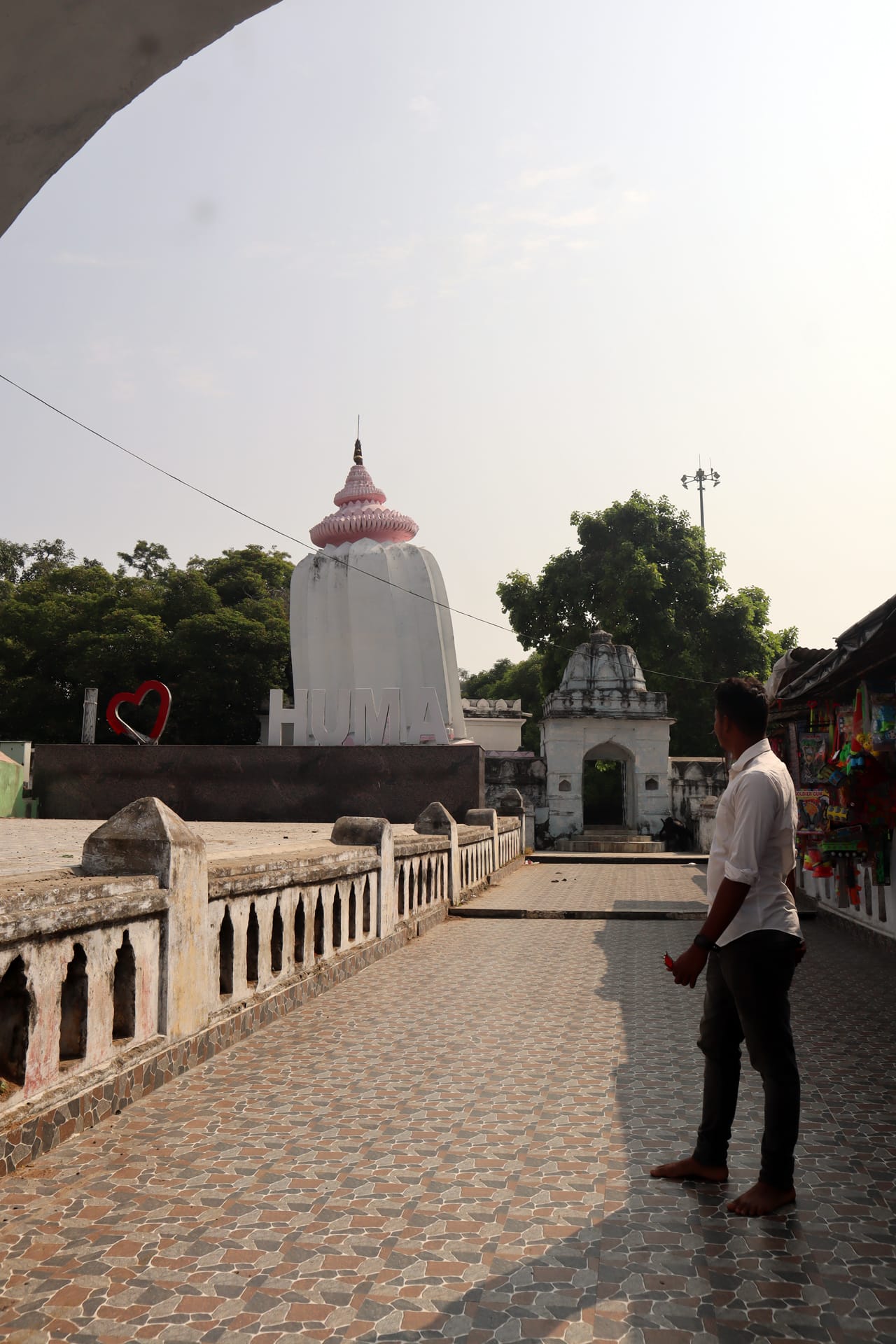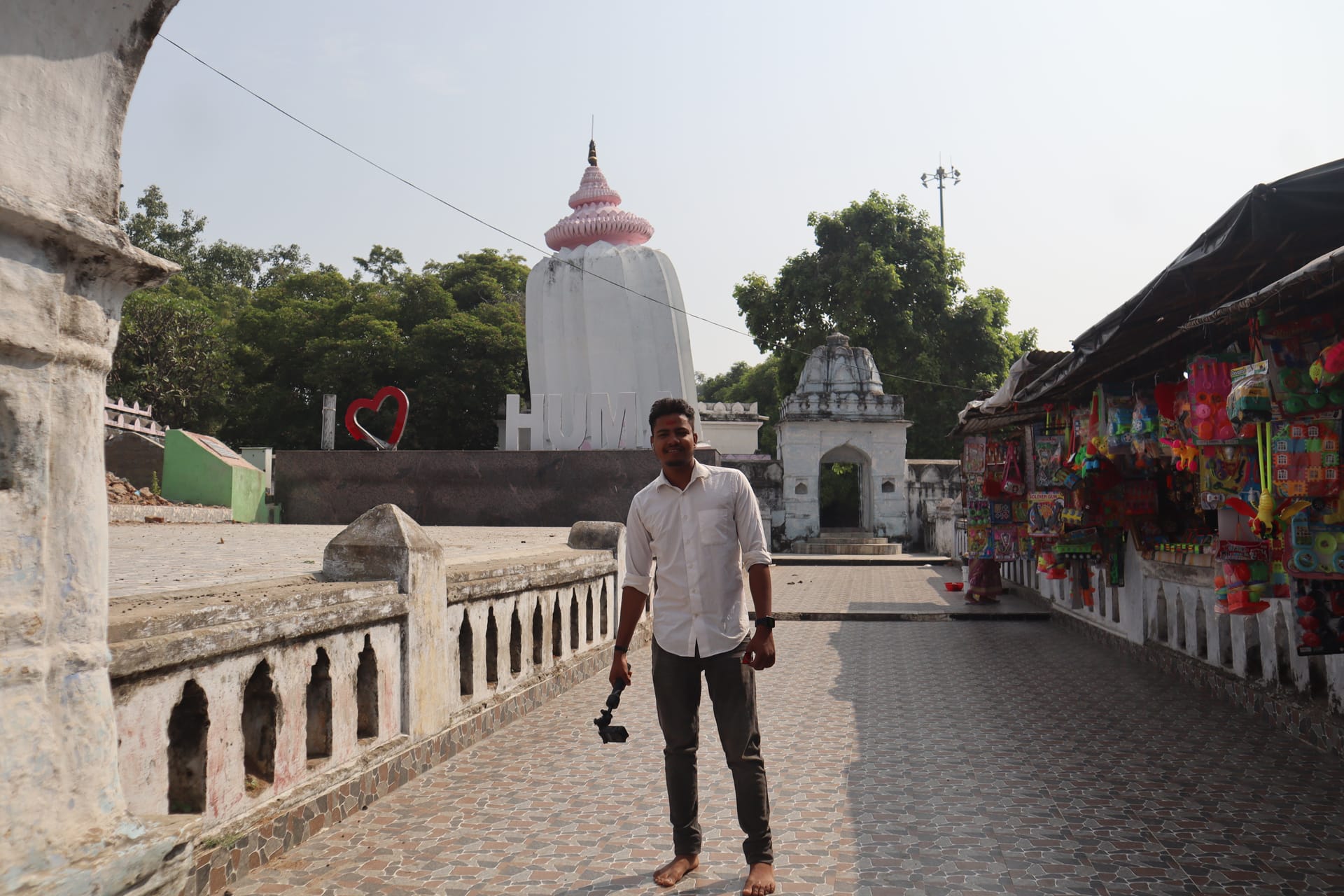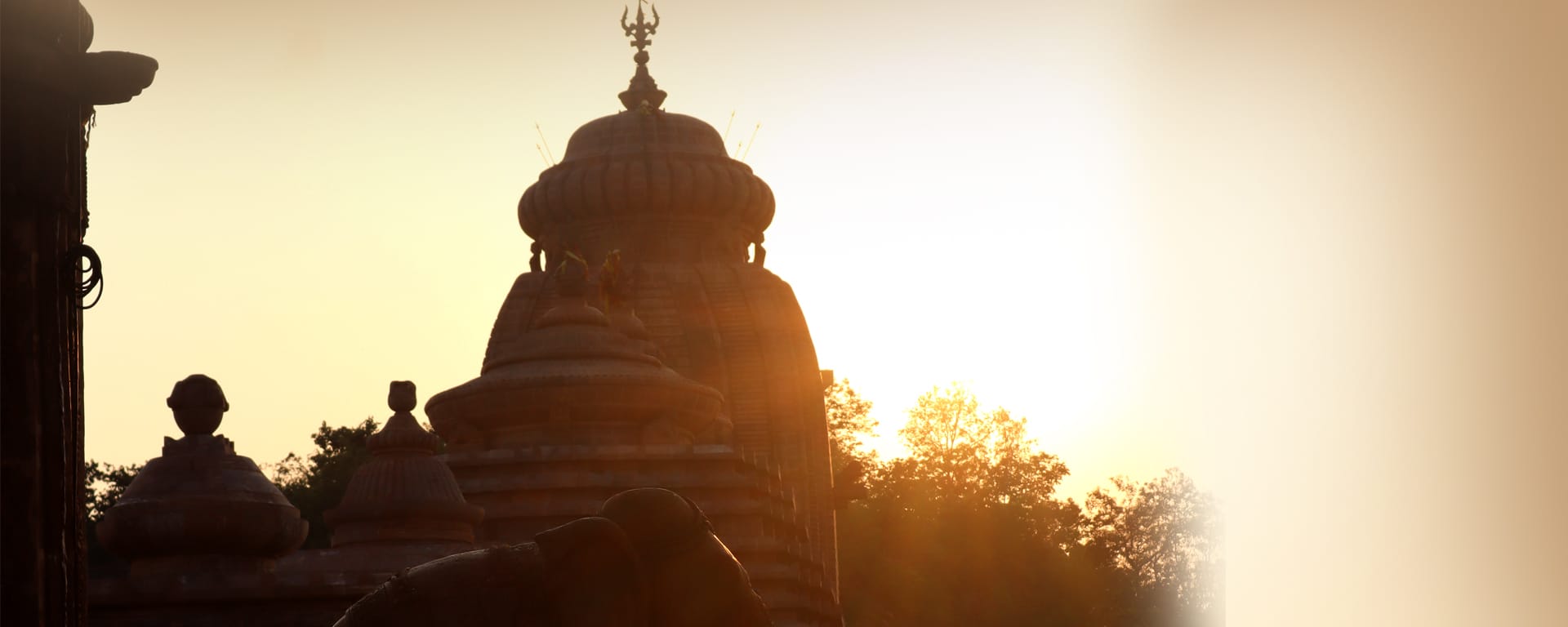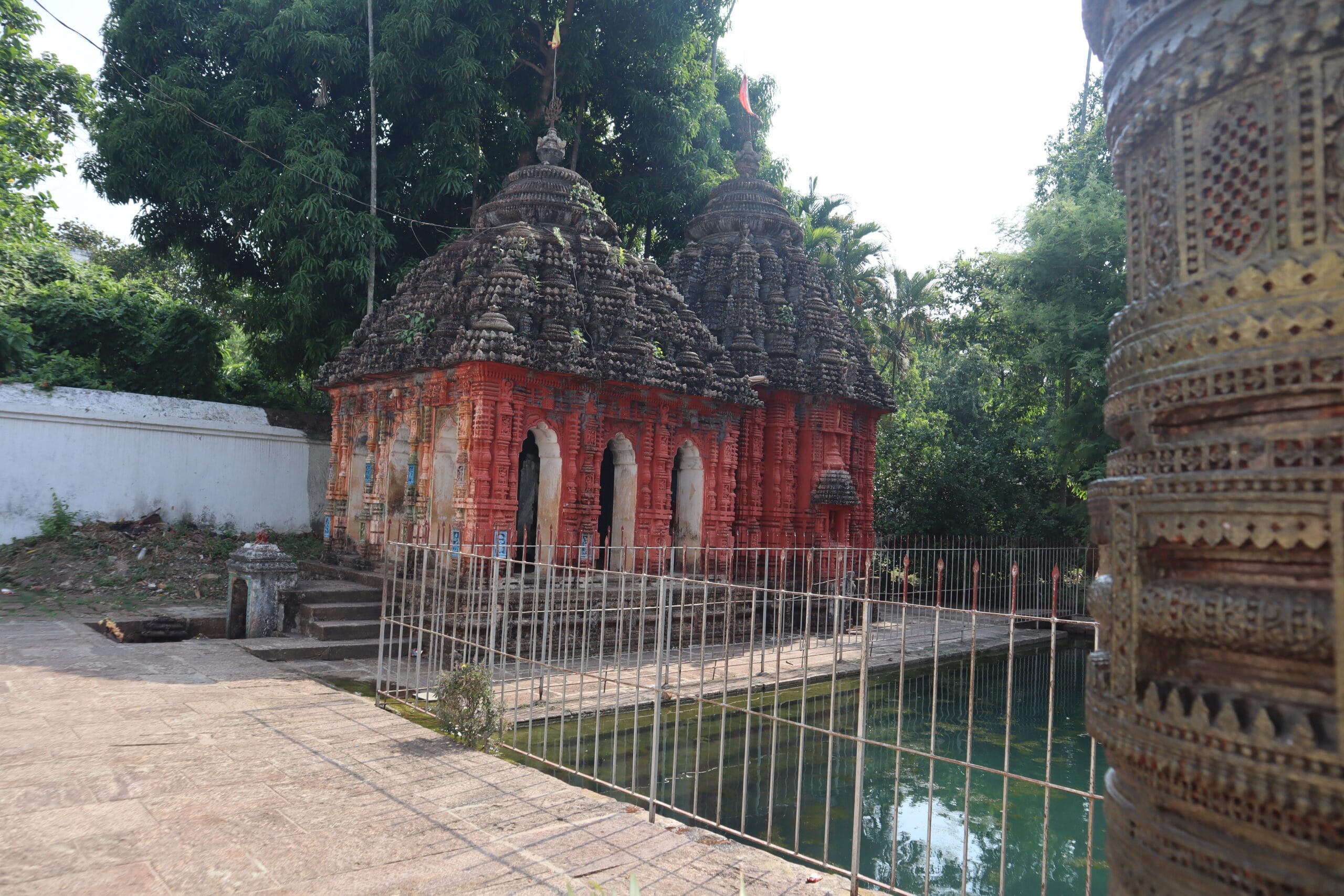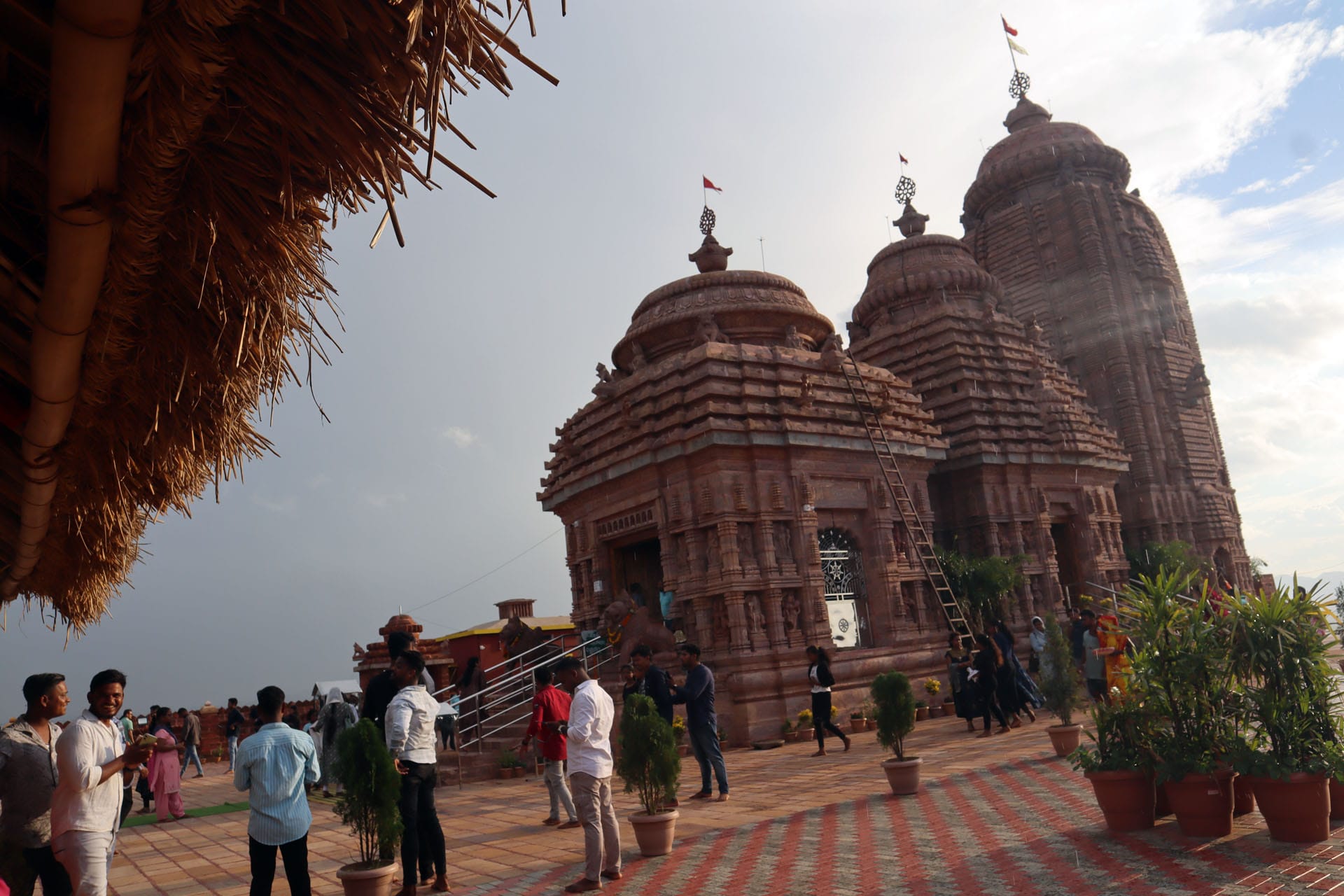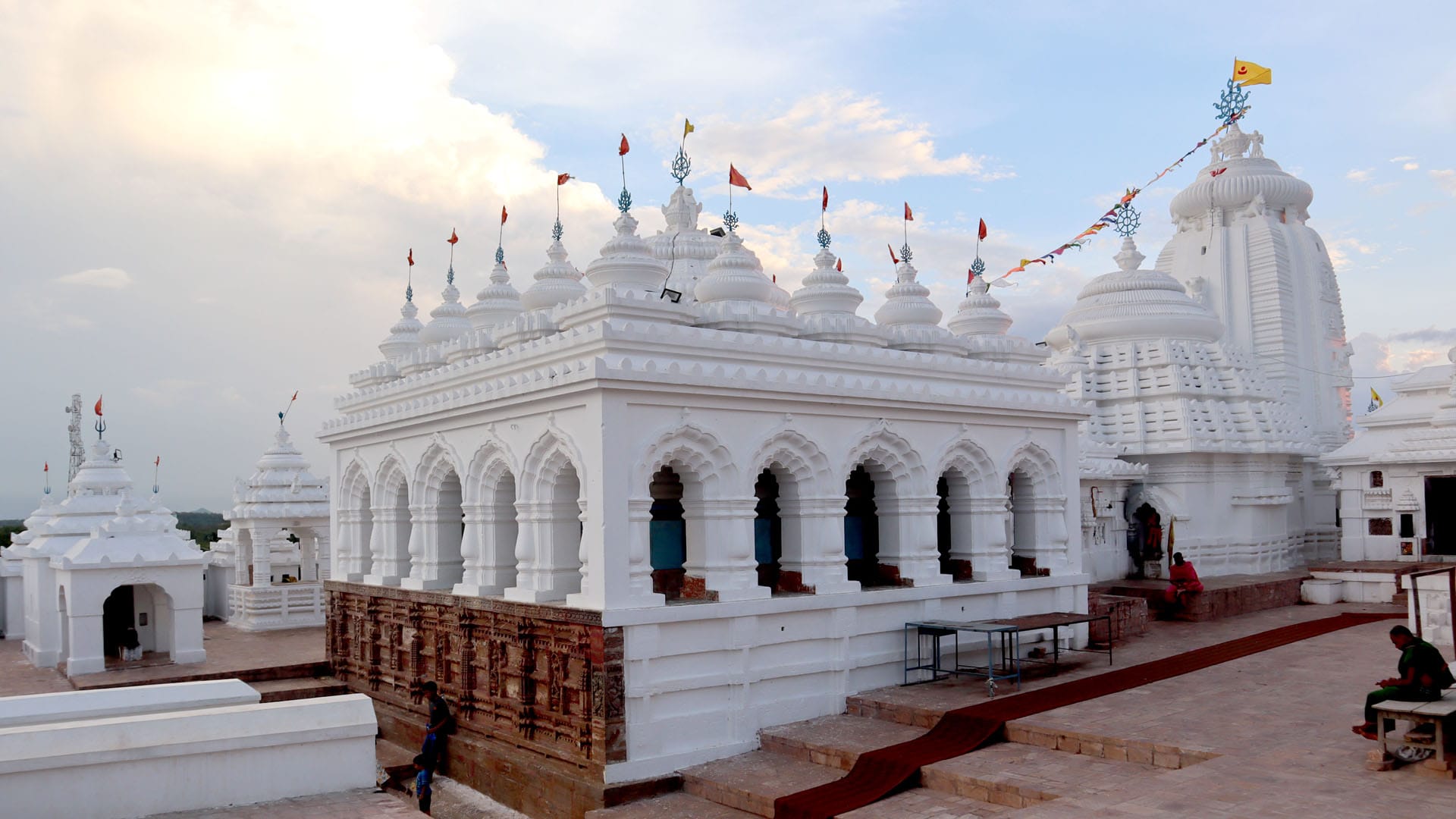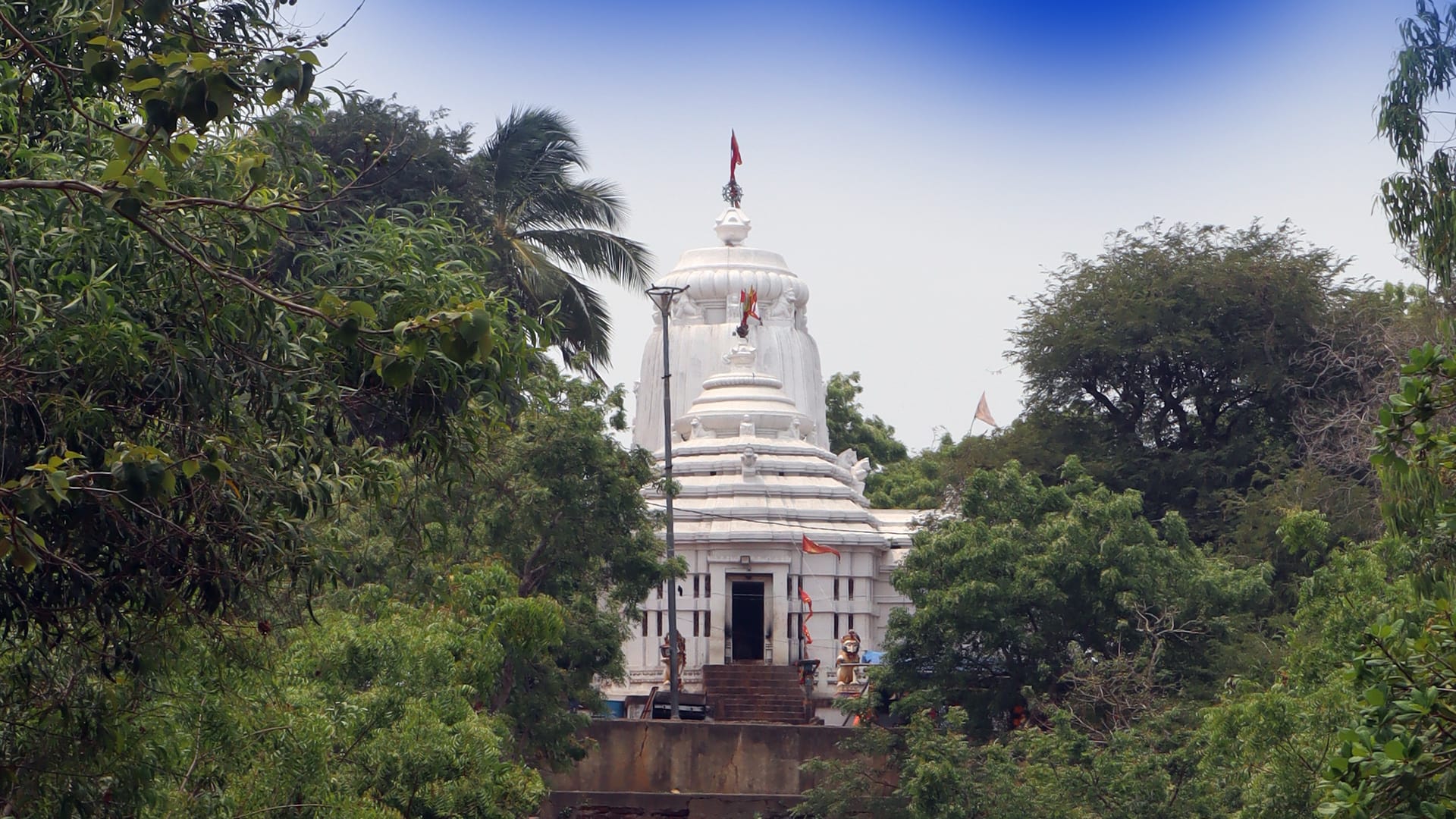
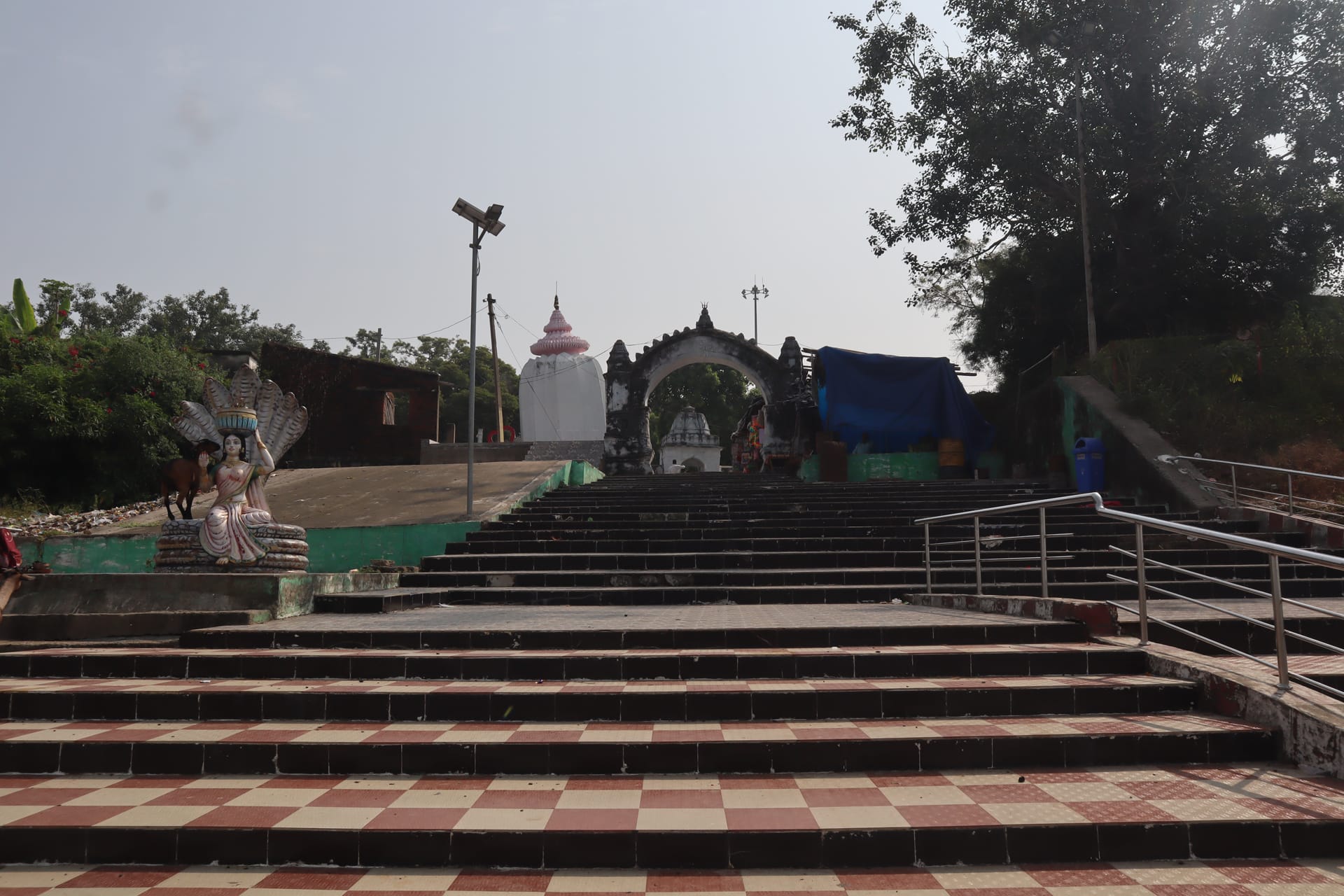
One of India’s most fascinating architectural secrets is the ancient Huma Temple, which is tucked away in the serene suburbs of Sambalpur. This centuries-old shrine, revered as the only leaning temple in the world devoted to Lord Shiva, continues to enthrall pilgrims, historians, architects, and inquisitive tourists from all over the nation. Huma Temple is one of Odisha’s most famous cultural and religious sites because of its tilt, which has generated countless conversations and intrigue and is frequently compared to Italy’s Leaning Tower of Pisa. Beyond its well-known slant, this remarkable temple offers an unforgettable experience that combines mythology, art, engineering wonder, and natural beauty.
An Architectural Marvel Unlike Any Other
The Huma Temple exemplifies the traditional architectural style of early Odishan temples, but with a unique twist—quite literally. The temple, which was mostly constructed of brick and intricately carved stone, exudes the skill and dedication of the craftspeople who created it. Centuries-old temple-building techniques are reflected in the carved panels, ornamental motifs, and traditional design elements.
The main sanctuary tower clearly tilts to one side, while the lesser temples and buildings around it tilt in diverse directions, which is what makes the building so captivating. Contrary to normal architectural expectations, the temple has remained remarkably solid for generations despite this irregular alignment.
The odd sight of the slanted edifice rising against the horizon strikes visitors as soon as they step onto the elevated platform, leaving a lasting visual impression.
The Huma Temple showcases the classic style of early Odishan temple architecture, though with a distinctive twist—quite literally. Built primarily from brick and carefully carved stone, the temple radiates the craftsmanship and devotion of the artisans who shaped it. The carved panels, decorative motifs, and traditional design elements reflect centuries-old temple-building practices.
What makes the structure so compelling is the way the main sanctum tower leans noticeably to one side, while the surrounding smaller temples and structures tilt in different directions. Despite this uneven alignment, the temple has remained incredibly stable for generations, defying conventional architectural expectations.
Visitors stepping onto the elevated platform are immediately struck by the unusual sight of the tilted structure rising against the horizon, creating an unforgettable visual impact.
The Enigma Behind the Tilt
While countless theories attempt to explain the temple’s slanted form, the true reason remains shrouded in uncertainty. Each explanation adds its own flavor of mystery:
- Soft soil foundation: Some scholars believe the temple was built on shifting or unstable soil, causing gradual leaning over hundreds of years.
- Structural settlement: Others suggest the weight distribution of the tower may have caused a natural tilt over time.
- Architectural design? A few believe the tilt might have been intentional—perhaps symbolizing cosmic forces or divine energy.
- Earthquake theory: Local folklore attributes the slant to past seismic activity.
Regardless of the cause, the tilt has evolved into the defining identity of Huma Temple. Its ability to maintain structural integrity despite the slant makes it a fascinating subject for engineers and historians alike.
A Sacred Haven Dedicated to Lord Shiva
At the heart of Huma Temple lies the sanctum housing the Shivalinga, worshipped by countless devotees who visit throughout the year. The temple is believed to hold great spiritual power, and the serene riverside atmosphere further enhances its aura of peace and devotion.
Whether offering prayers, performing rituals, or simply sitting in quiet meditation, visitors experience a sense of tranquility that flows as steadily as the sacred Mahanadi beside the temple. Many faithful believe that Lord Shiva here is especially benevolent, granting blessings of health, prosperity, and spiritual growth.
The Legend of Mansa – The Sacred Fish of Huma
Adding to the temple’s mystical charm is the presence of Mansa, a unique variety of sacred fish that inhabit the waters near the temple. These fish are considered divine protectors of the site and are treated with immense reverence.
Visitors often feed the fish puffed rice or offerings believed to bring good fortune and spiritual merit. Watching the sacred fish glide across the shimmering river surface adds a magical touch to the temple experience, symbolizing harmony between nature and spirituality.
A Festival That Lights Up the Huma Temple – Mahashivratri
The most vibrant celebration at Huma Temple is the annual Mahashivratri festival, when thousands gather to honor Lord Shiva. During this auspicious event:
- Devotees observe night-long prayers
- Special rituals and abhishekas (holy baths) are performed
- The temple is illuminated beautifully
- Cultural programs add festive energy to the surroundings
The entire temple complex comes alive with chants, bells, incense, and spiritual fervor. For many devotees, visiting Huma Temple during Shivratri is considered especially sacred, believed to wash away negativity and invoke divine blessings.
A Scenic Gem on the Banks of the Mahanadi
Beyond its religious and architectural significance, Huma Temple offers an enchanting natural setting. Situated along the serene Mahanadi River, the temple provides magnificent views, soothing breezes, and peaceful surroundings that enhance the spiritual experience.
The road leading to the temple is lined with rustic landscapes, patches of forest, and glimpses of rural Odisha, making the journey as enjoyable as the destination. Many visitors choose to pause along the riverbank to appreciate the spectacular scenery and take photographs of the temple’s unique tilt reflected in the water.
How to Reach Huma Temple
By Air
- Raipur – Swami Vivekananda International Airport: Approx. 290 km
- Bhubaneswar – Biju Patnaik International Airport: Approx. 350 km
Travellers can hire a cab or take a bus to Sambalpur and continue onwards to Huma.
By Train
- Sambalpur Railway Station: Around 28 km away
From the station, taxis, auto-rickshaws, and local buses are easily available.
By Road
The temple is well-connected via State Highway 10 (SH10) from Sambalpur.
Both private and government buses operate regularly on this route.
Local Transport
Upon reaching Sambalpur, visitors can hire:
- Taxis
- Auto-rickshaws
- Local buses
For readers who want to explore more about Odisha’s ancient temples and cultural heritage, you can also refer to the detailed resources available on the Odisha Tourism official website at
👉 Odisha Tourism – Official Portal,
which offers verified information, travel guides, and festival updates across the state.
To continue your spiritual journey, you may also explore nearby temple guides within our website, such as the
👉 Rajarani Temple Travel Guide
and the
👉 Tara Tarini Temple Overview,
both of which highlight Odisha’s profound architectural and cultural legacy.