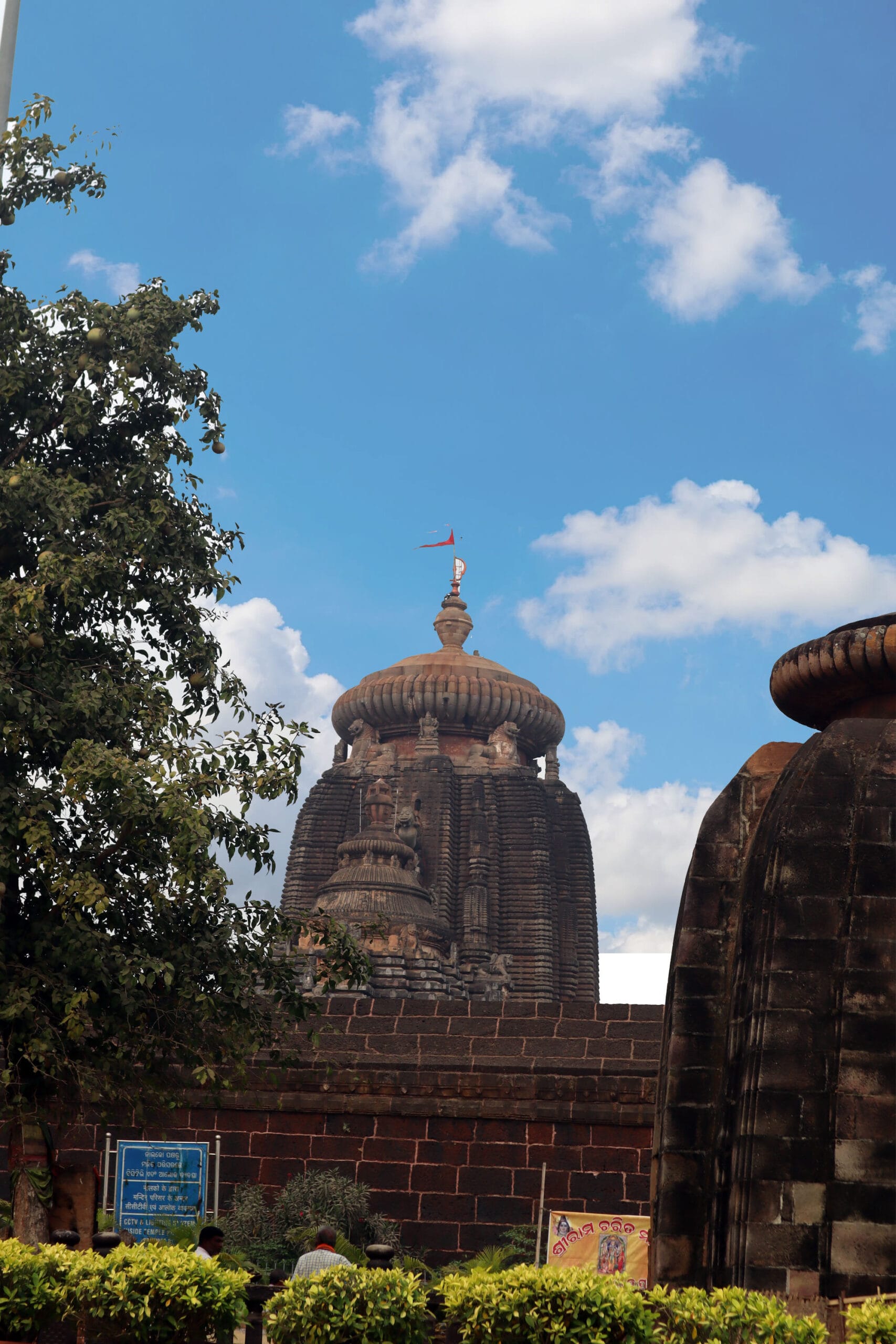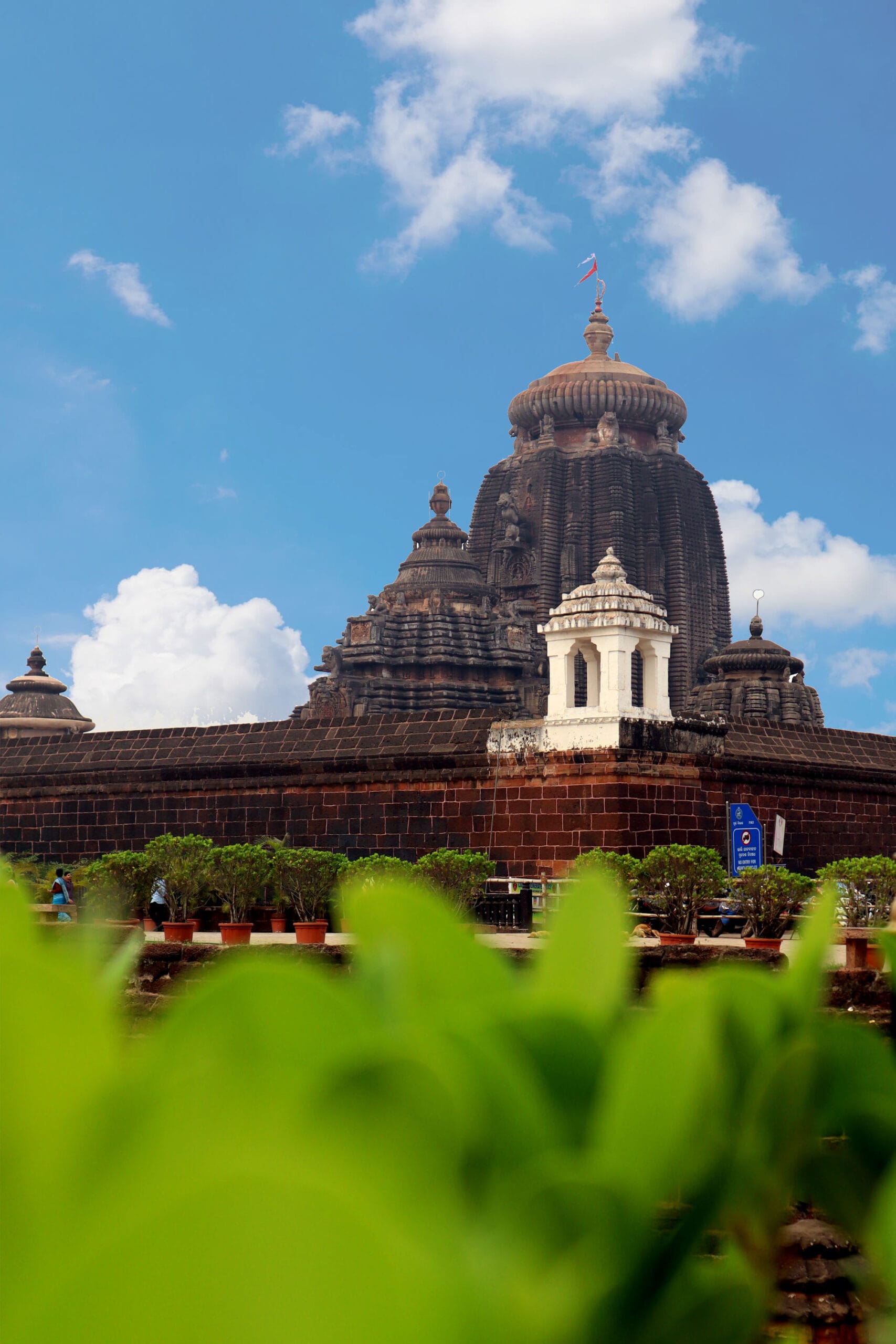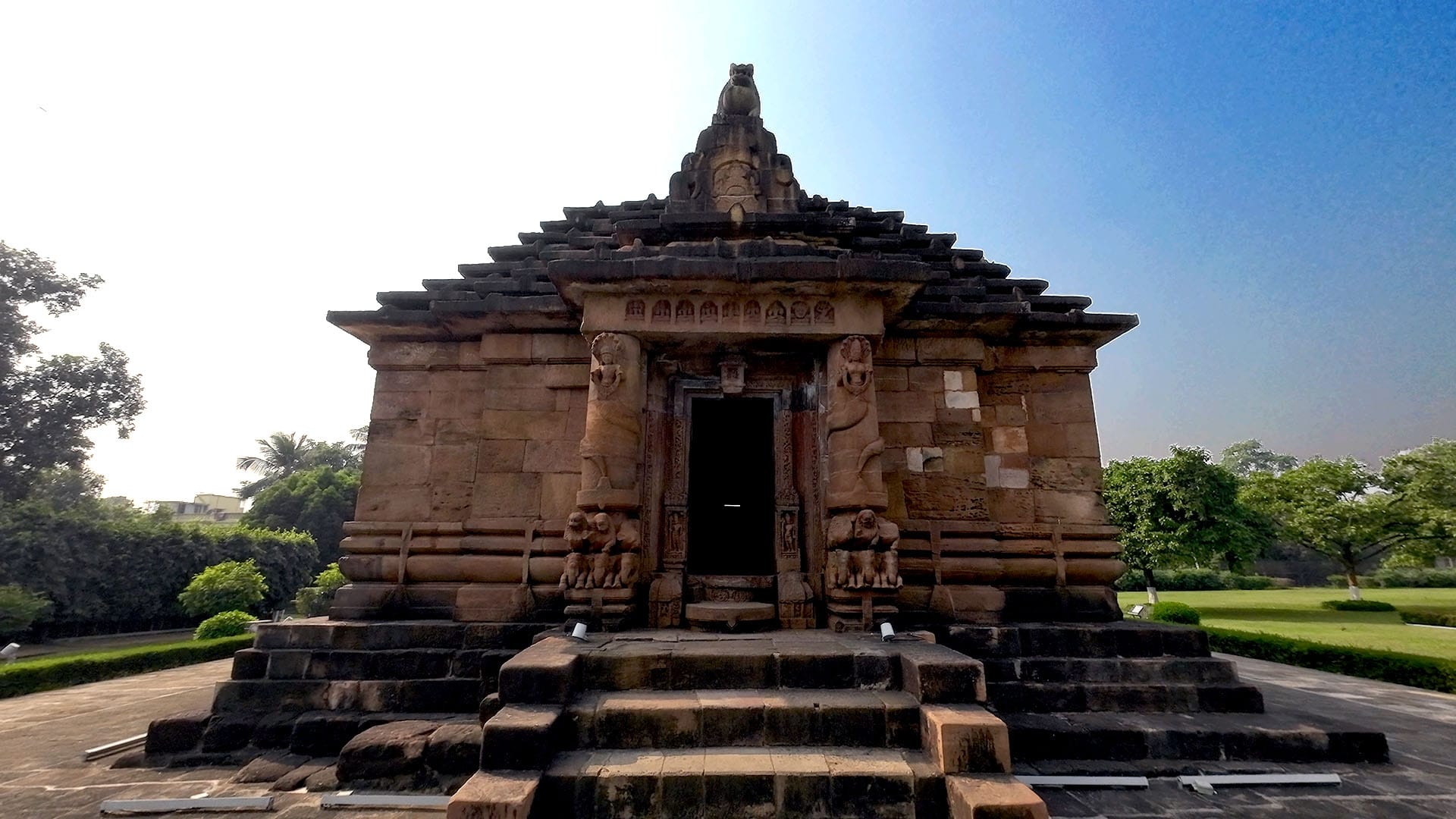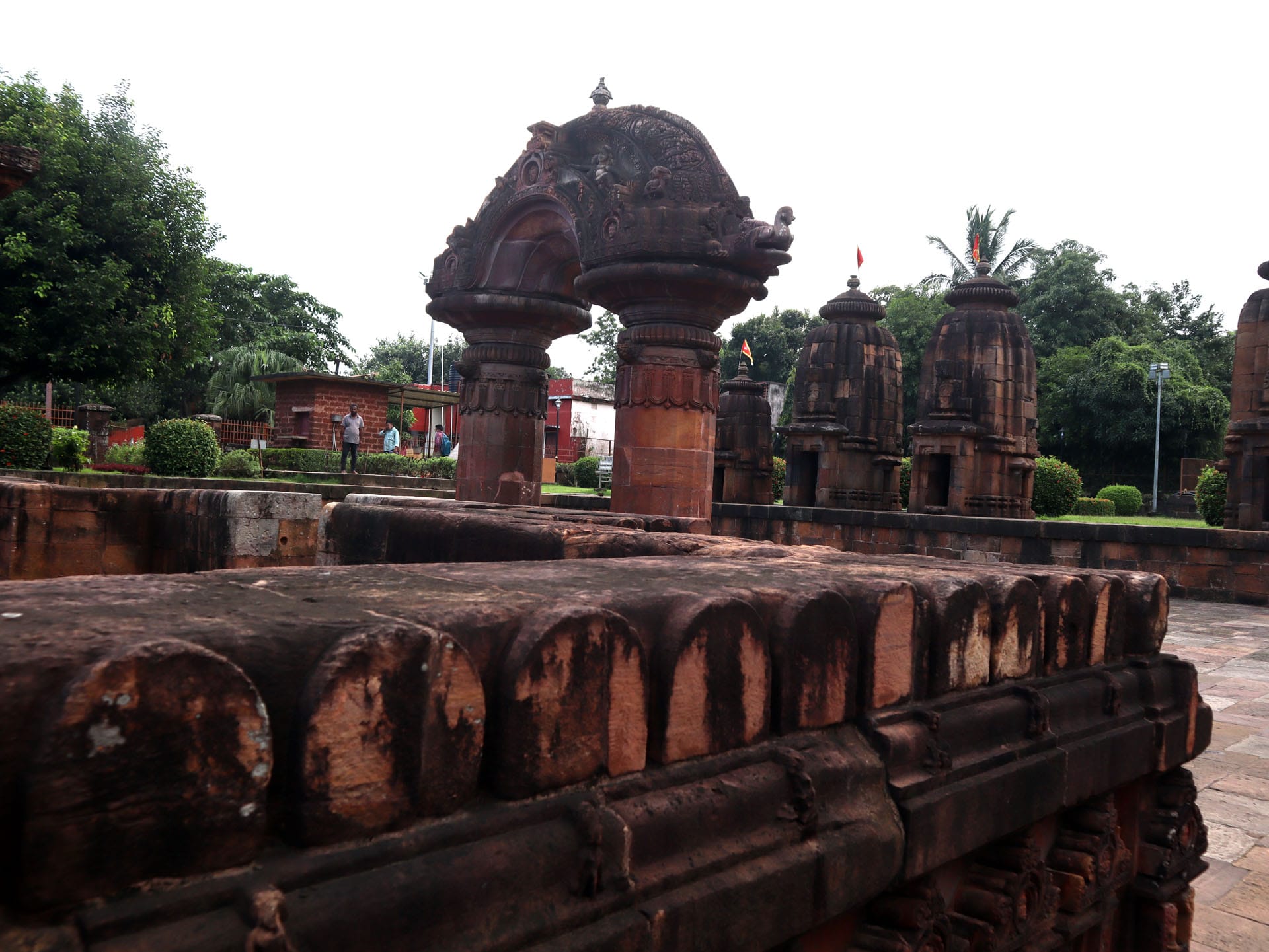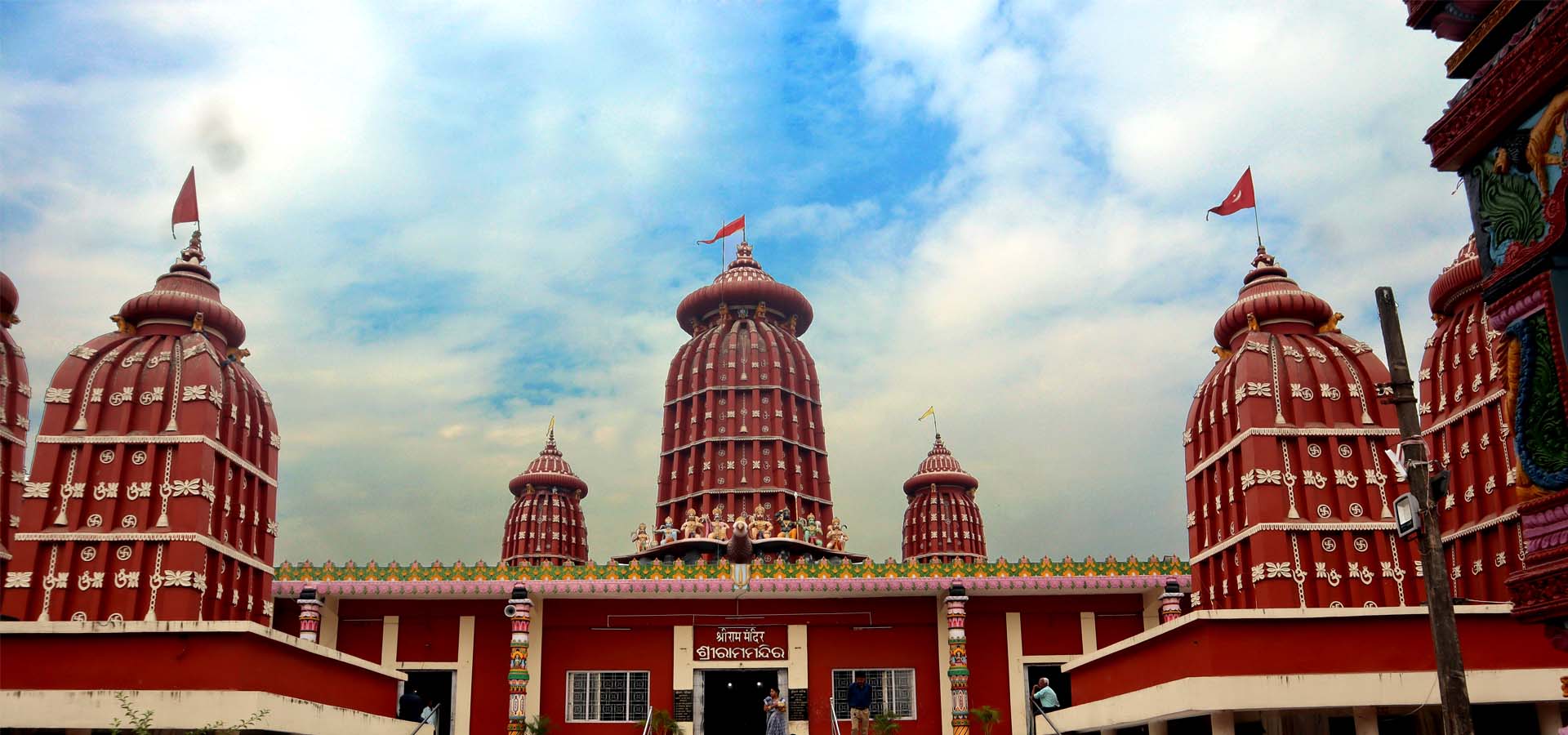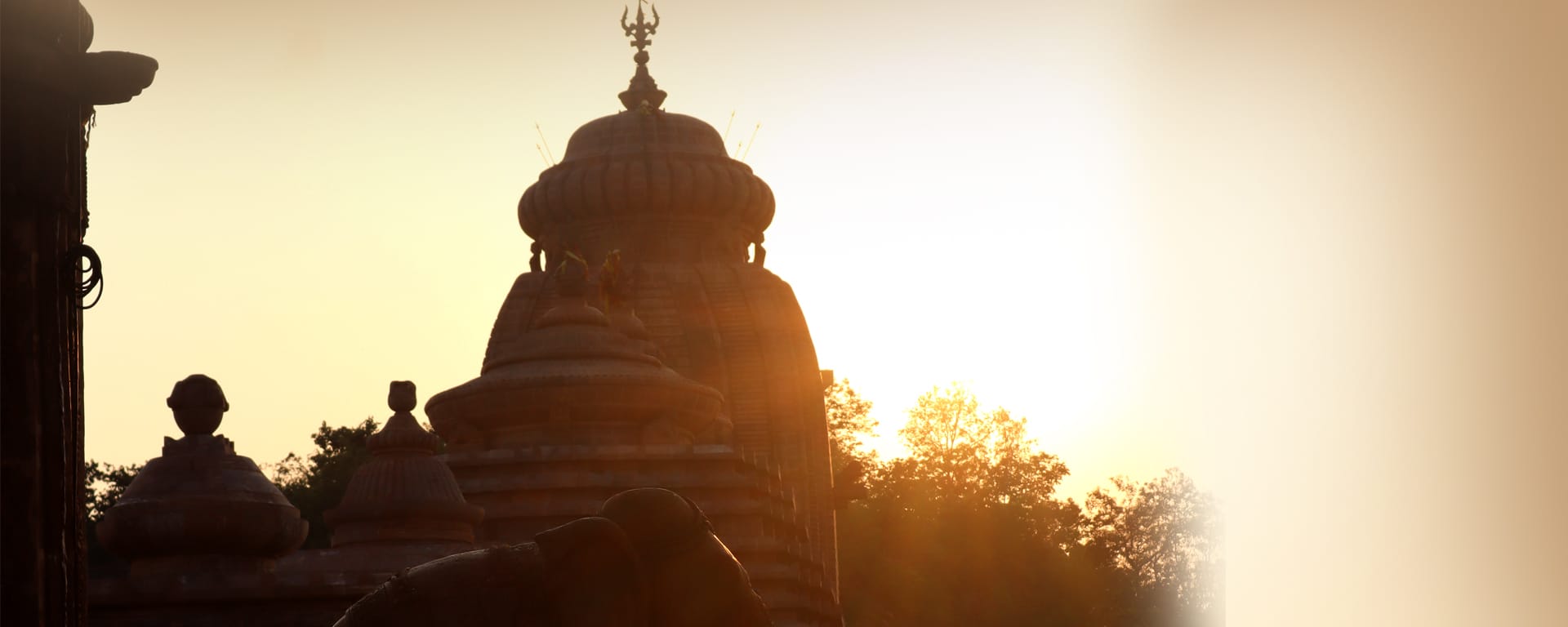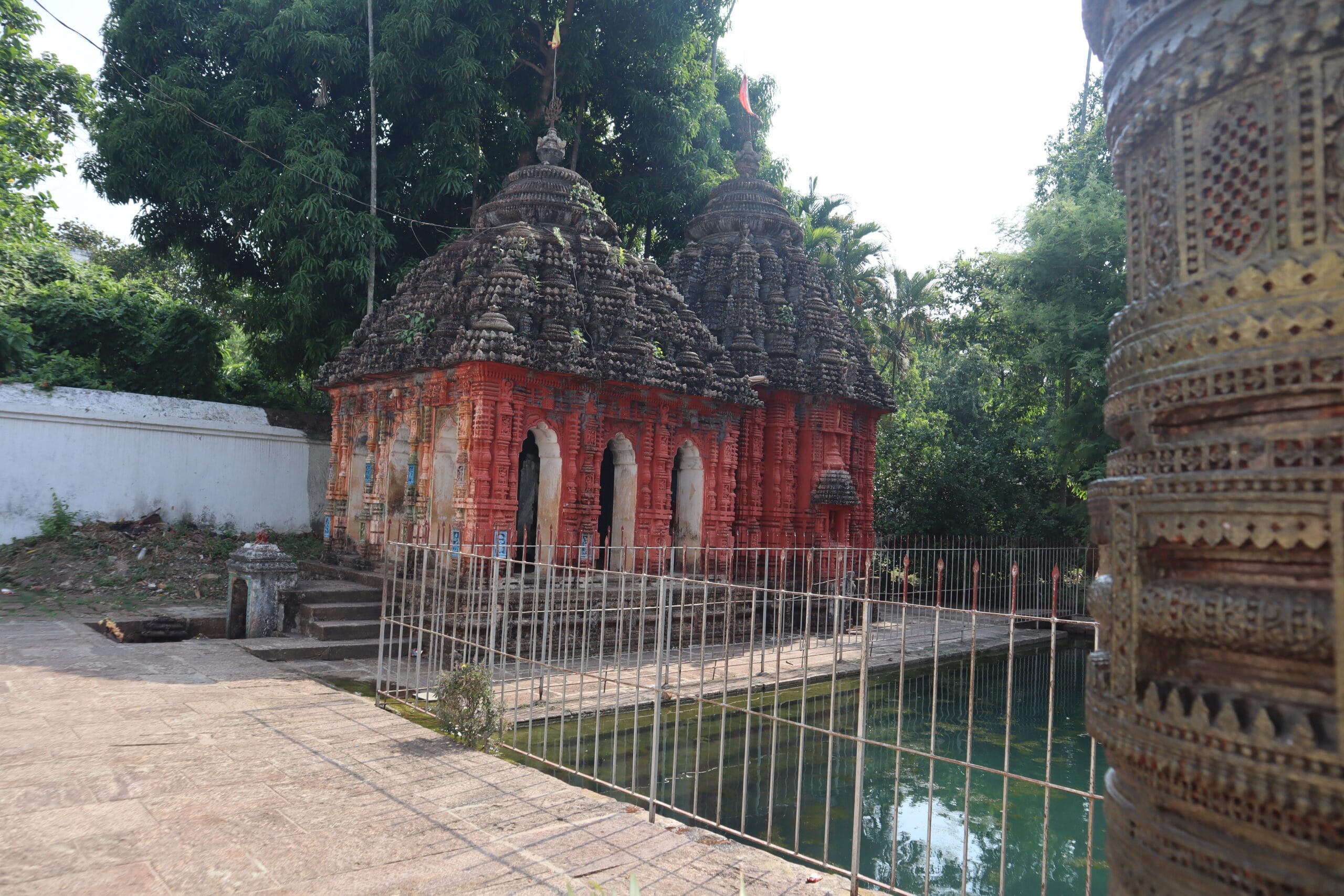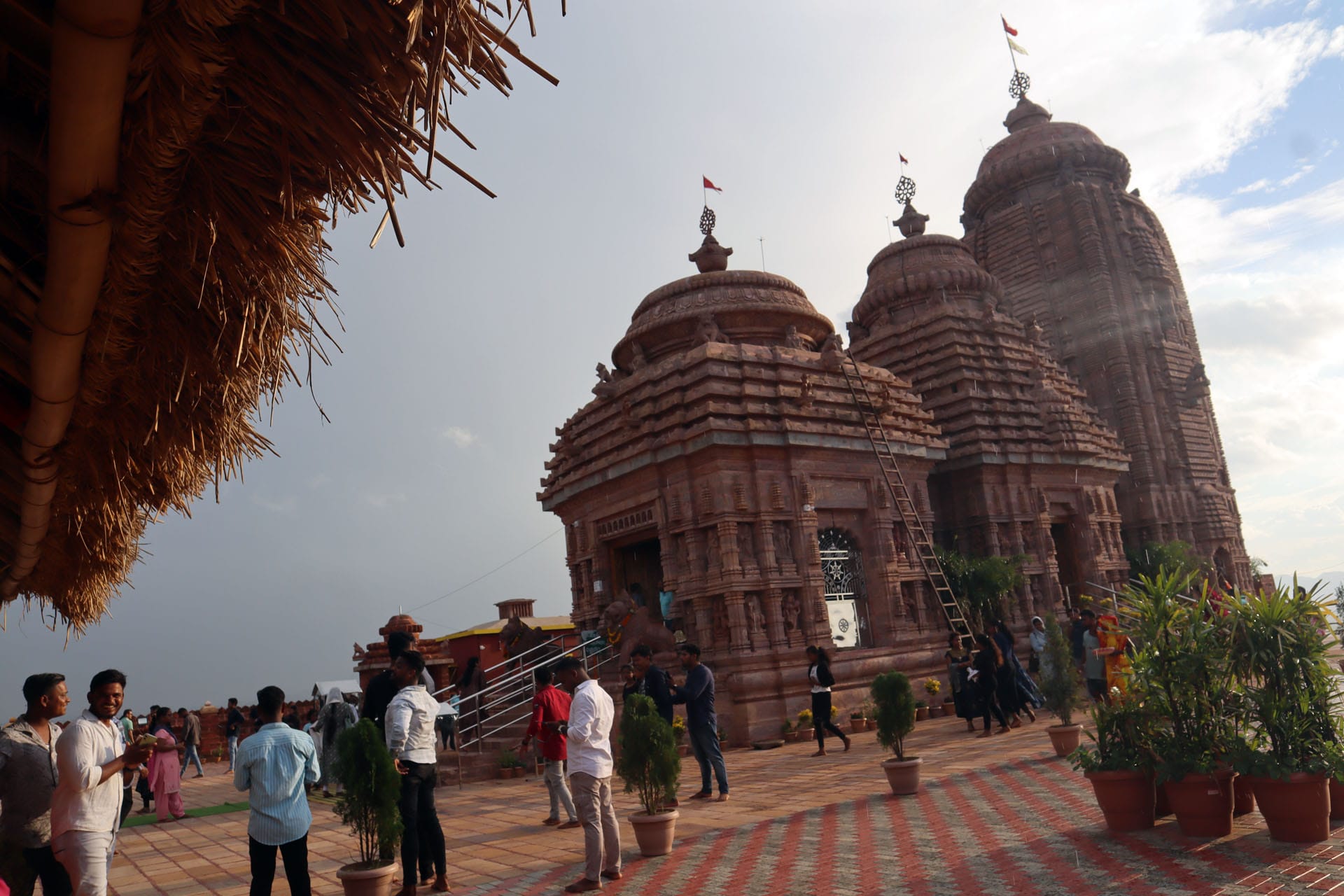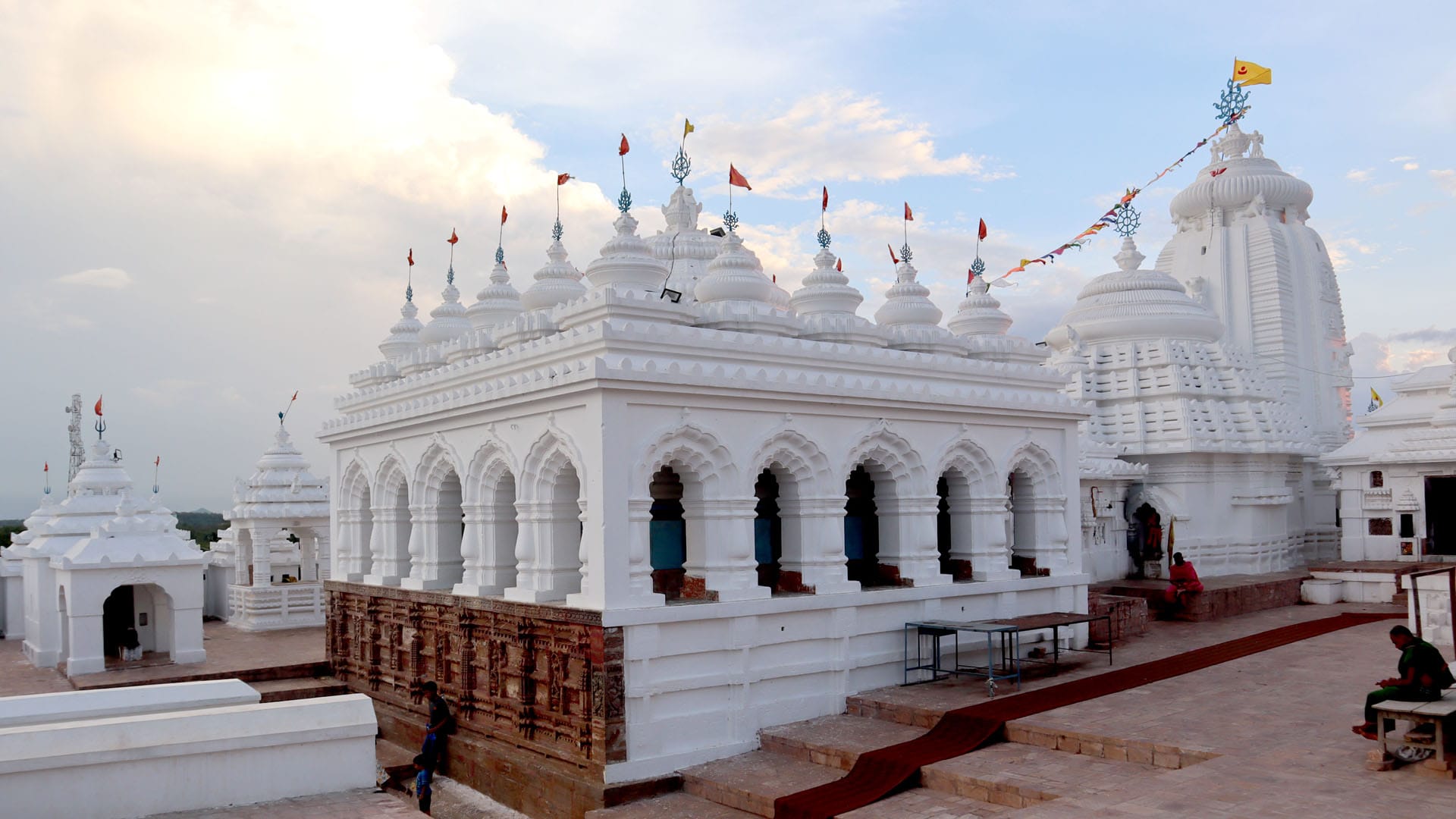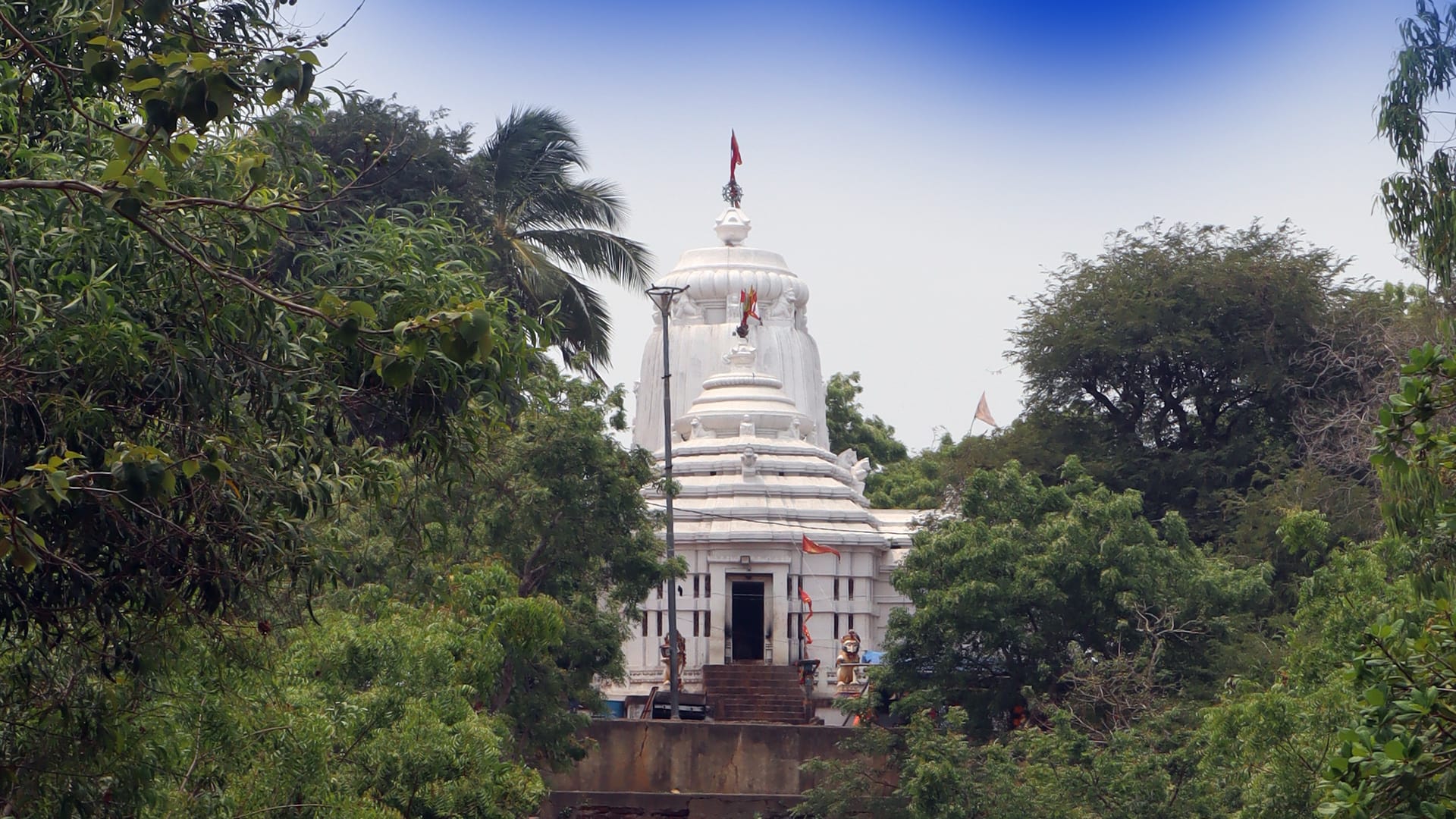
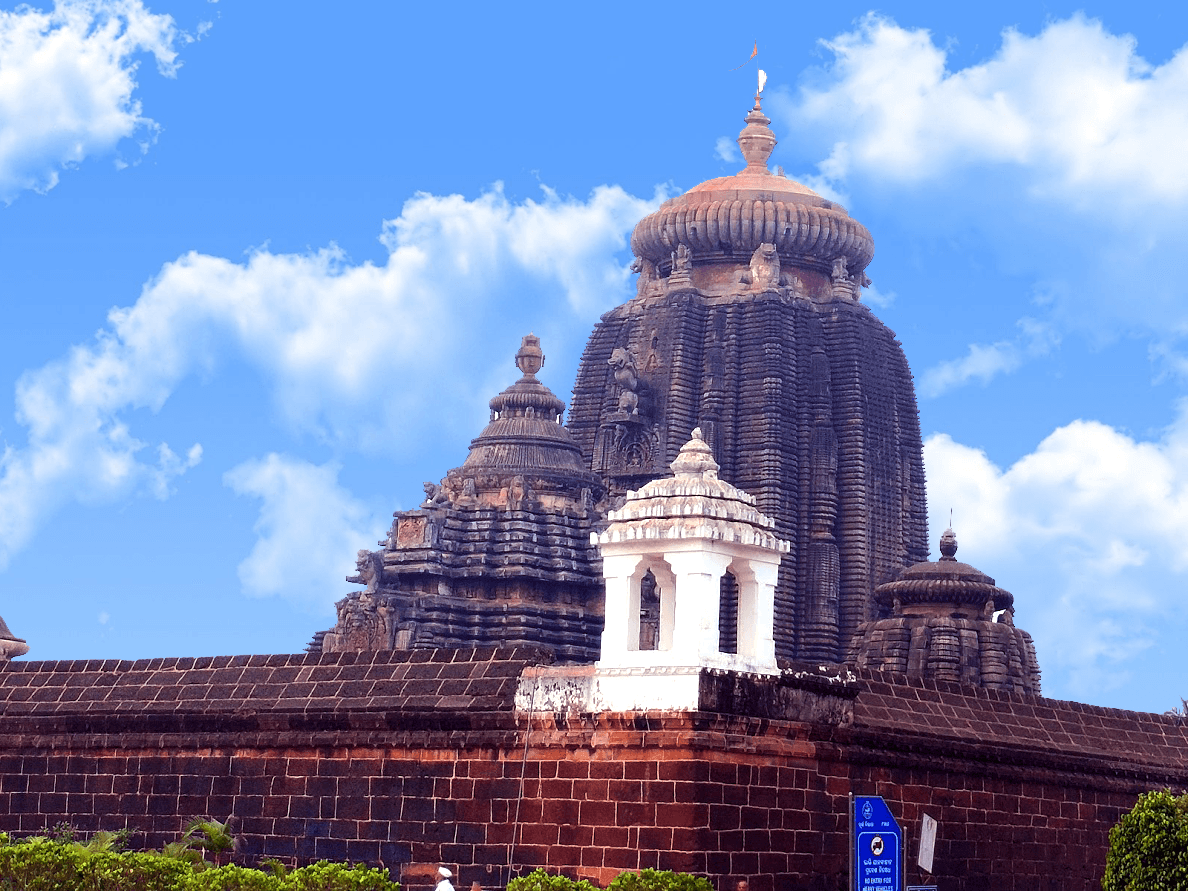
Standing tall in the heart of Bhubaneswar—the “City of Temples”—the Lingaraj Temple is one of Odisha’s greatest architectural treasures and one of India’s most significant Shaivite pilgrimage destinations. This ancient shrine, dedicated to Lord Shiva as Harihara, represents both devotion and artistic brilliance, showcasing the essence of Odisha’s timeless temple culture.
With its towering spire, intricately sculpted walls, and sacred rituals echoing through centuries, the Lingaraj Temple is not just a monument—it’s a divine experience, a journey into a past that continues to breathe through its stones.
A Glimpse into the Glorious History
The history of Lingaraj Temple stretches back over 1,000 years, making it one of the oldest temples in Bhubaneswar. Although several legends claim earlier origins, historians trace the temple’s beginnings to the 7th century, with significant reconstruction and expansion occurring in the 11th century under the Somavamsi and Ganga dynasties.
The name Lingaraj translates to “King of Lingas”, referring to the massive Shiva Linga enshrined in the sanctum. Interestingly, the deity here is worshipped as Harihara, a fusion of Shiva (Hara) and Vishnu (Hari). This rare depiction reflects Odisha’s long-standing tradition of unifying Shaivism and Vaishnavism.
Over time, the temple evolved into the spiritual nucleus of Bhubaneswar, symbolizing its identity as a sacred pilgrimage city.
Architectural Brilliance: A Masterpiece of Kalinga Style
Lingaraj Temple is a majestic representation of Kalinga architecture, renowned for its vertical spires, elaborate stone carvings, and harmonious temple layout.
Key Architectural Features
1. The Towering Vimana
The main structure or Vimana rises to an impressive 180+ feet, dominating Bhubaneswar’s skyline. Its curvilinear spire, shaped like a rising mountain, symbolizes the ascent towards the divine.
2. The Temple Complex
The complex includes 65+ smaller shrines, each dedicated to different gods and goddesses—Ganesh, Parvati, Kartikeya, Vishnu, and many others.
The temple follows the traditional Panchayatana style, consisting of four primary components:
- Vimana (Sanctum)
- Jagamohana (Assembly hall)
- Nata-mandira (Dance hall)
- Bhoga-mandapa (Offering hall)
These interconnected structures reflect centuries of architectural refinement and religious practices.
3. Stone Craftsmanship
The temple walls are adorned with exquisite carvings depicting:
- Deities
- Mythological episodes from Ramayana & Mahabharata
- Dancing women
- Animals, mythical creatures, and celestial beings
- Floral and geometric patterns
Each sculpture showcases the mastery of Odisha’s ancient artisans, whose carvings still inspire modern artists and historians.
The Sacred Shiva Linga
At the heart of the temple lies the powerful Svayambhu (self-manifested) Linga of Lord Lingaraj. Devotees believe that the Linga emerged naturally from the Earth, radiating divine energy.
A distinctive ritual at the temple includes the continuous bathing of the Linga with:
- Water
- Milk
- Ghee
- Bhang (during special occasions)
These rituals symbolize purification and the eternal flow of cosmic energy.
Religious Importance and Timeless Traditions
Lingaraj Temple is one of the holiest centers of Shaivism in India. Every year, millions of devotees visit to seek blessings, participate in rituals, and experience the temple’s spiritual aura.
Major Rituals and Offerings
The temple priests conduct numerous daily rituals, including:
- Mangala Arati (Morning worship)
- Abhisheka (Holy bathing of the Linga)
- Bhoga offerings
- Sandhya Arati (Evening worship)
The food offerings, especially the temple’s Mahaprasad, are considered sacred and are distributed to devotees.
Maha Shivaratri Celebration
The grand celebration occurs during February–March. Thousands of lamps illuminate the entire complex, creating a mesmerizing spiritual atmosphere. Devotees fast, chant prayers, and offer water to Lord Shiva throughout the night.
Another unique event is the Rukuna Rath Yatra, where Lord Lingaraj’s chariot procession draws thousands onto the streets of Bhubaneswar.
A Peaceful Retreat Amid Urban Bustle
Despite being located in one of Odisha’s busiest cities, the temple complex feels like a world of its own. The moment you step inside, the sounds of bells, chants, and conch shells create an aura of peace and devotion.
Visitors often spend hours strolling through the vast courtyard, admiring the sculptures, and absorbing the spiritual ambiance.
Travel Guide: Visiting Lingaraj Temple
Dress Code & Entry Rules
- Modest clothing is recommended.
- Non-Hindus are not allowed inside the main temple, but they can view the structure from a nearby platform.
- Footwear is prohibited within the premises.
Best Time to Visit
- October to March is ideal due to pleasant weather.
- Maha Shivaratri attracts massive crowds—perfect for festival lovers.
How to Reach
By Air:
Biju Patnaik International Airport, Bhubaneswar is only 4.5 km away.
By Train:
Bhubaneswar Railway Station lies 4.4 km from the temple.
By Road:
Autos, taxis, and buses are easily available from anywhere in the city.
The Temple in Modern Times
Today, Lingaraj Temple continues to thrive as both:
- A living center of worship
- A heritage monument reflecting Odisha’s cultural evolution
The Archaeological Survey of India (ASI) oversees its preservation, ensuring its legacy continues for future generations.
For deeper insights into Odisha’s ancient temples, architecture, and spiritual tourism, visitors can explore the official Odisha Tourism website here:
👉 https://odishatourism.gov.in
Conclusion
The Lingaraj Temple is not just a religious landmark—it is the heartbeat of Bhubaneswar’s cultural identity. Its towering spire, sacred rituals, and intricate carvings narrate centuries of devotion, artistry, and architectural brilliance.
A visit here is more than sightseeing—it’s a spiritual journey, a connection with history, and a moment of peace that stays with you long after you’ve left the temple gates