
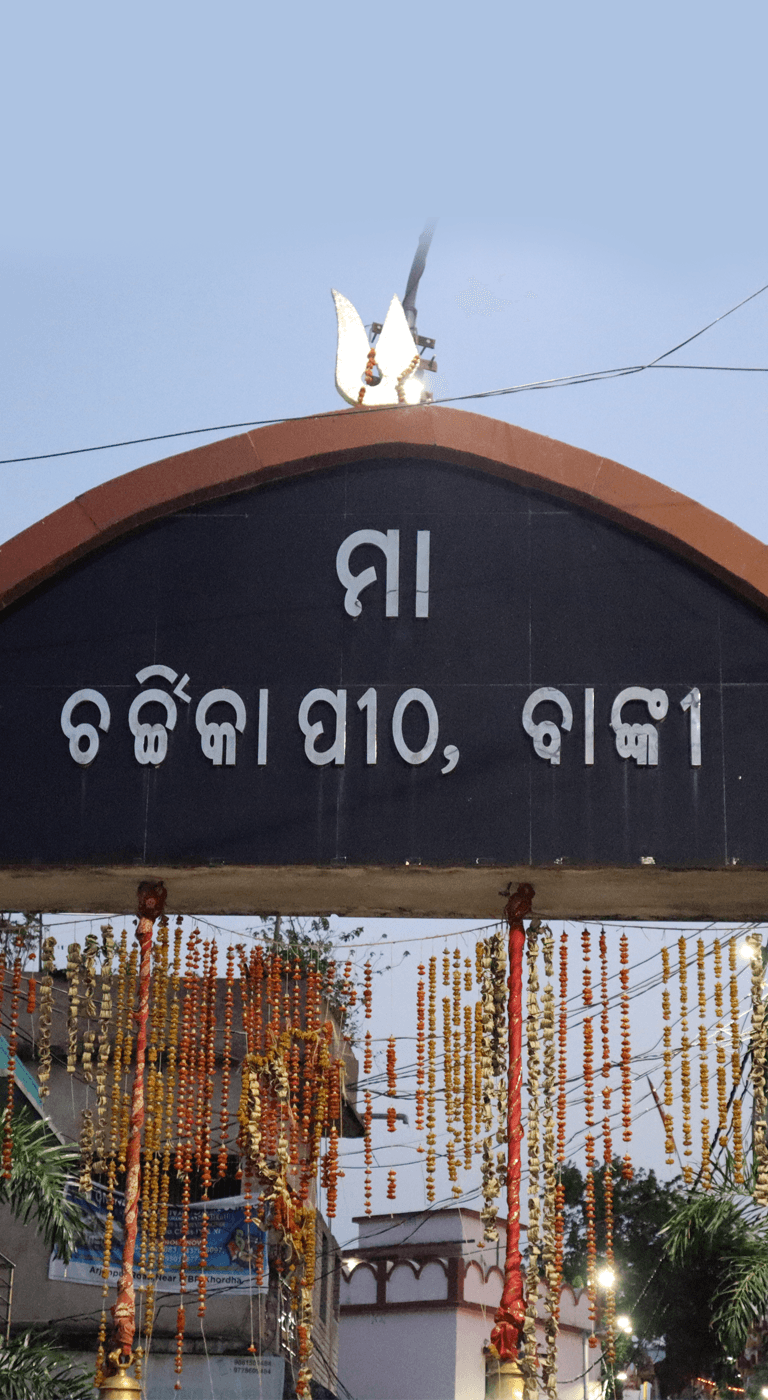
The Maa Charchika Temple, situated in the spiritual town of Banki in the Cuttack district of Odisha, is one of the most revered Shakti Peethas in the region. Dedicated to Goddess Charchika—a powerful embodiment of divine feminine energy—the temple draws thousands of devotees every year. While the existing structure dates back to the 19th century, the idol of Maa Charchika is believed to be much older. Iconographic studies suggest that the deity dates back to the 9th–10th century CE, during the rule of the Bhaumakara dynasty, which is known for its rich contributions to temple architecture and its support of Shakta and Tantric traditions.
According to local legend, the idol was crafted by Parashurama himself, enhancing the temple’s mythological depth and spiritual reverence. Over time, Maa Charchika has come to be worshipped as a fierce protector, a grantor of wishes, and a symbol of divine justice.
Architectural Highlights
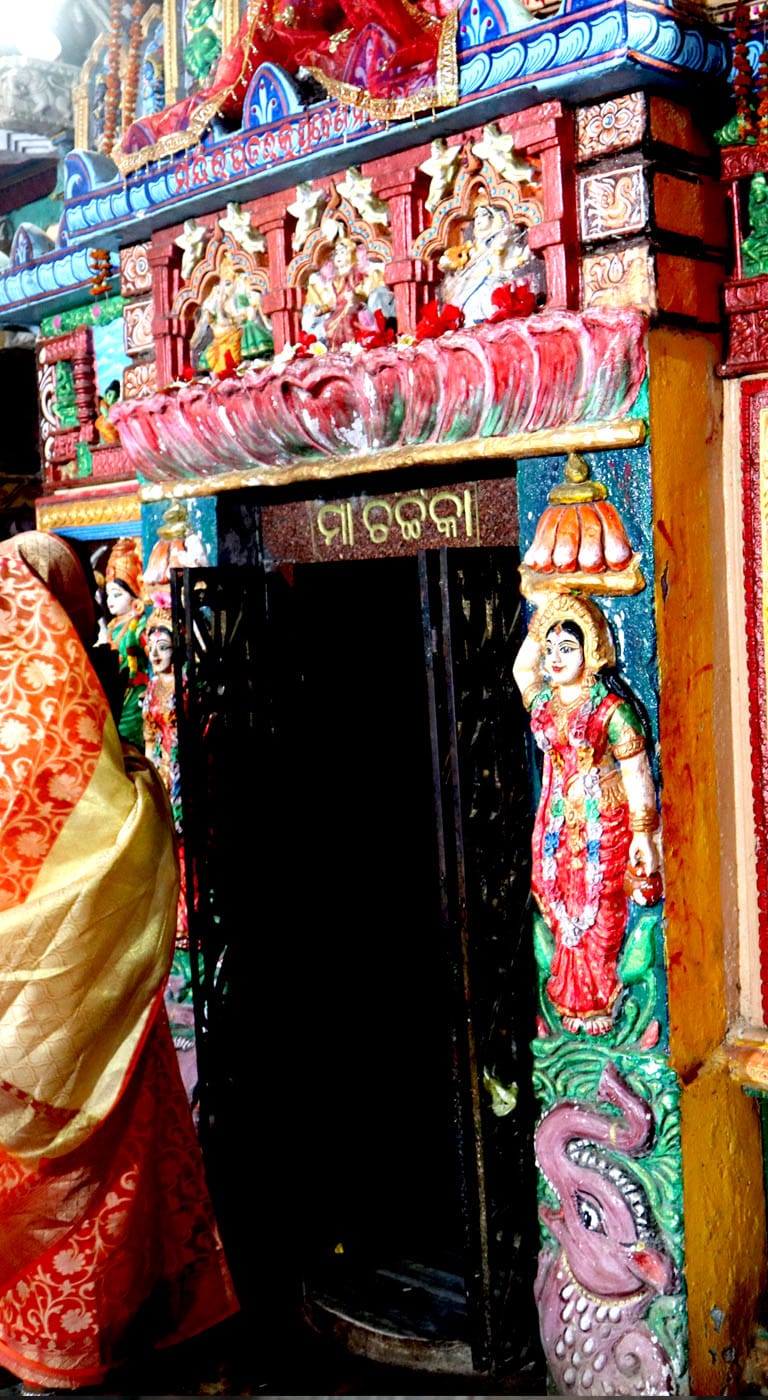
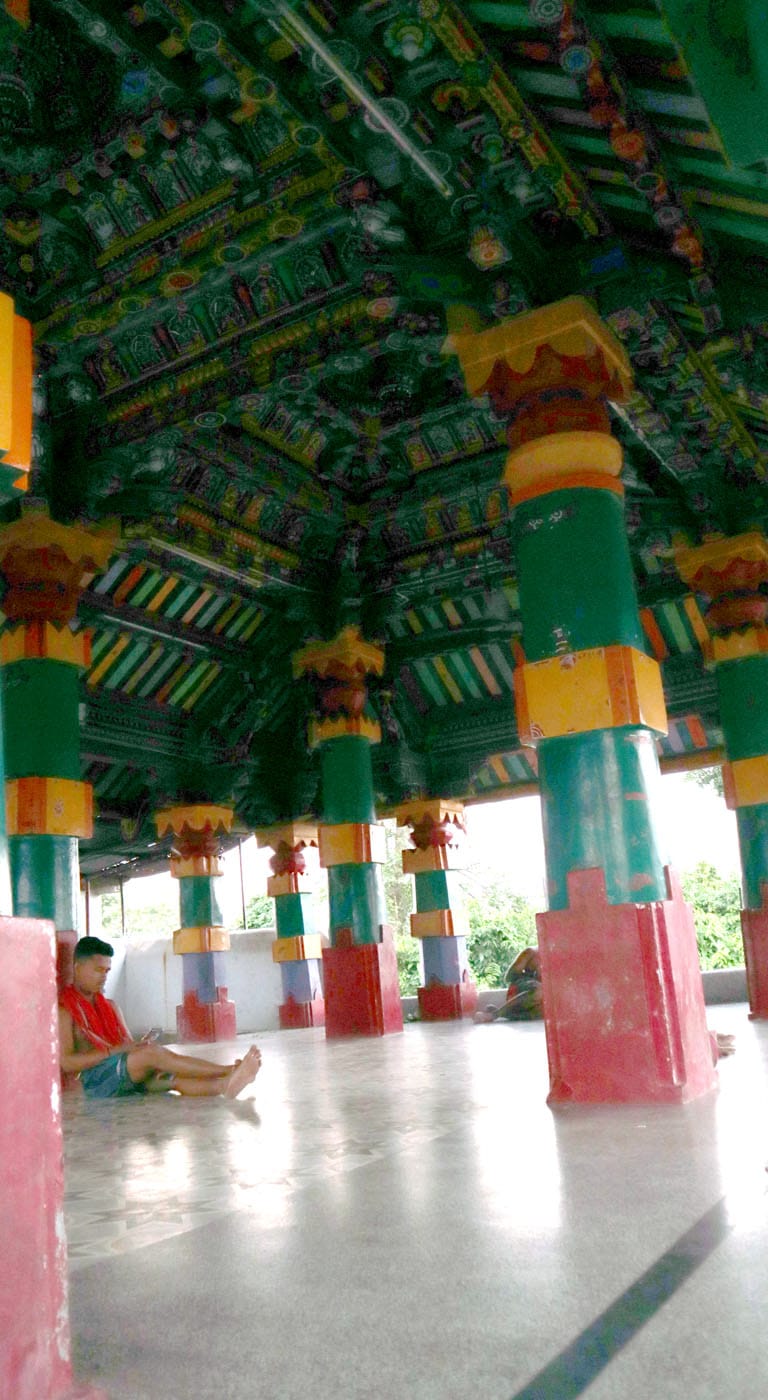
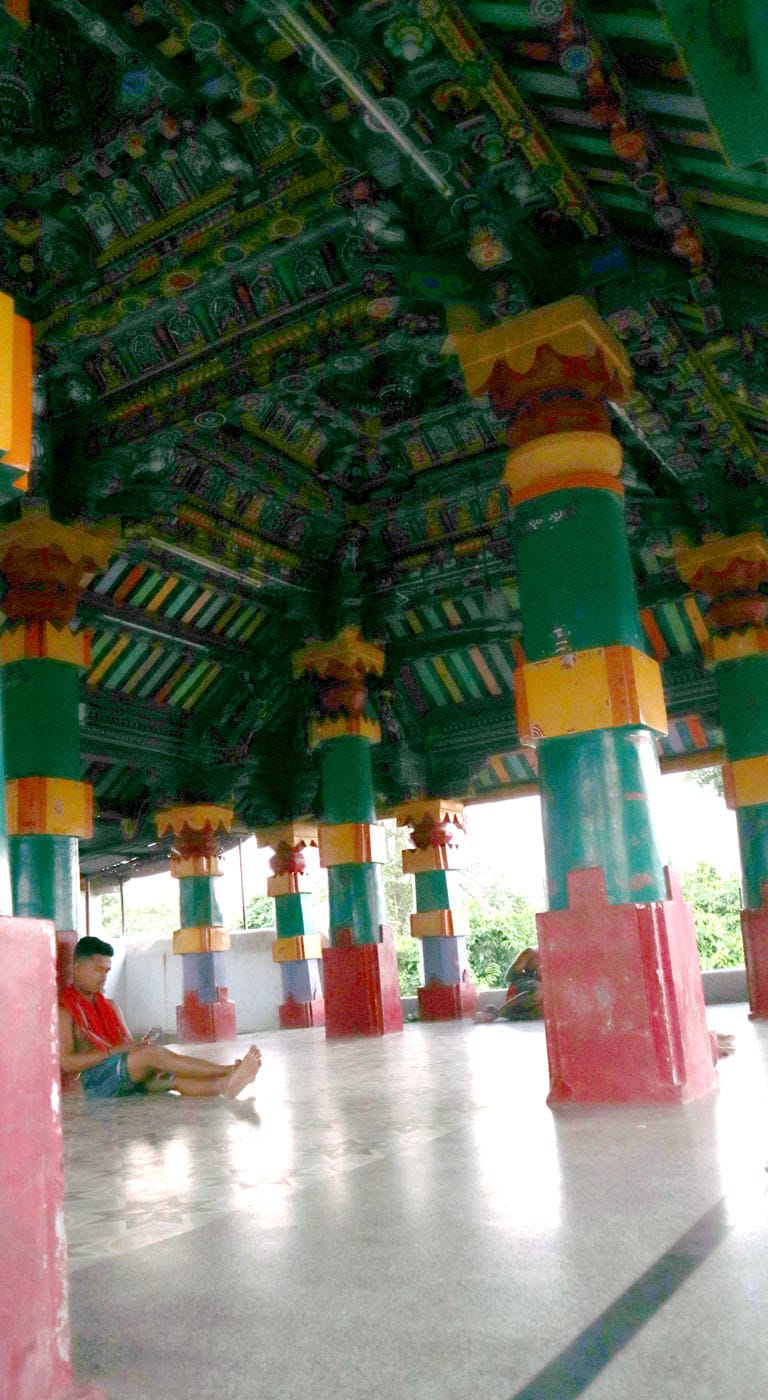
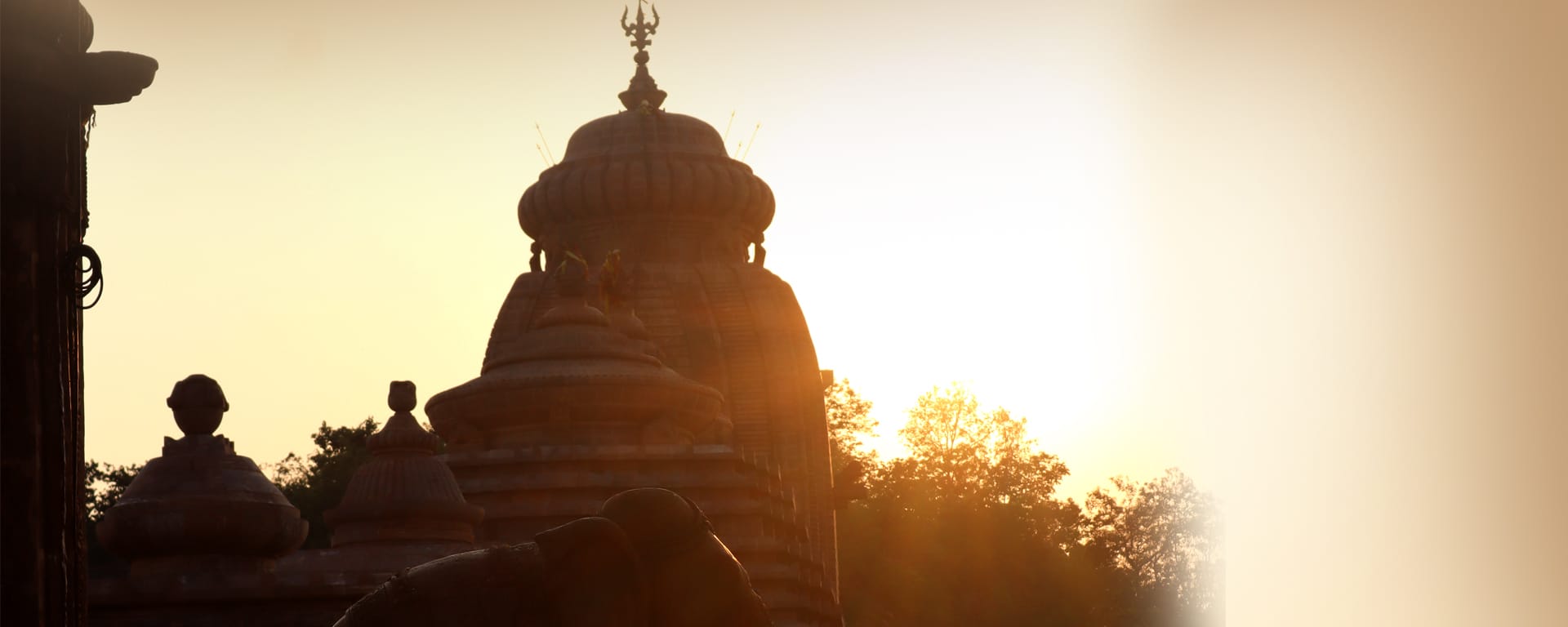
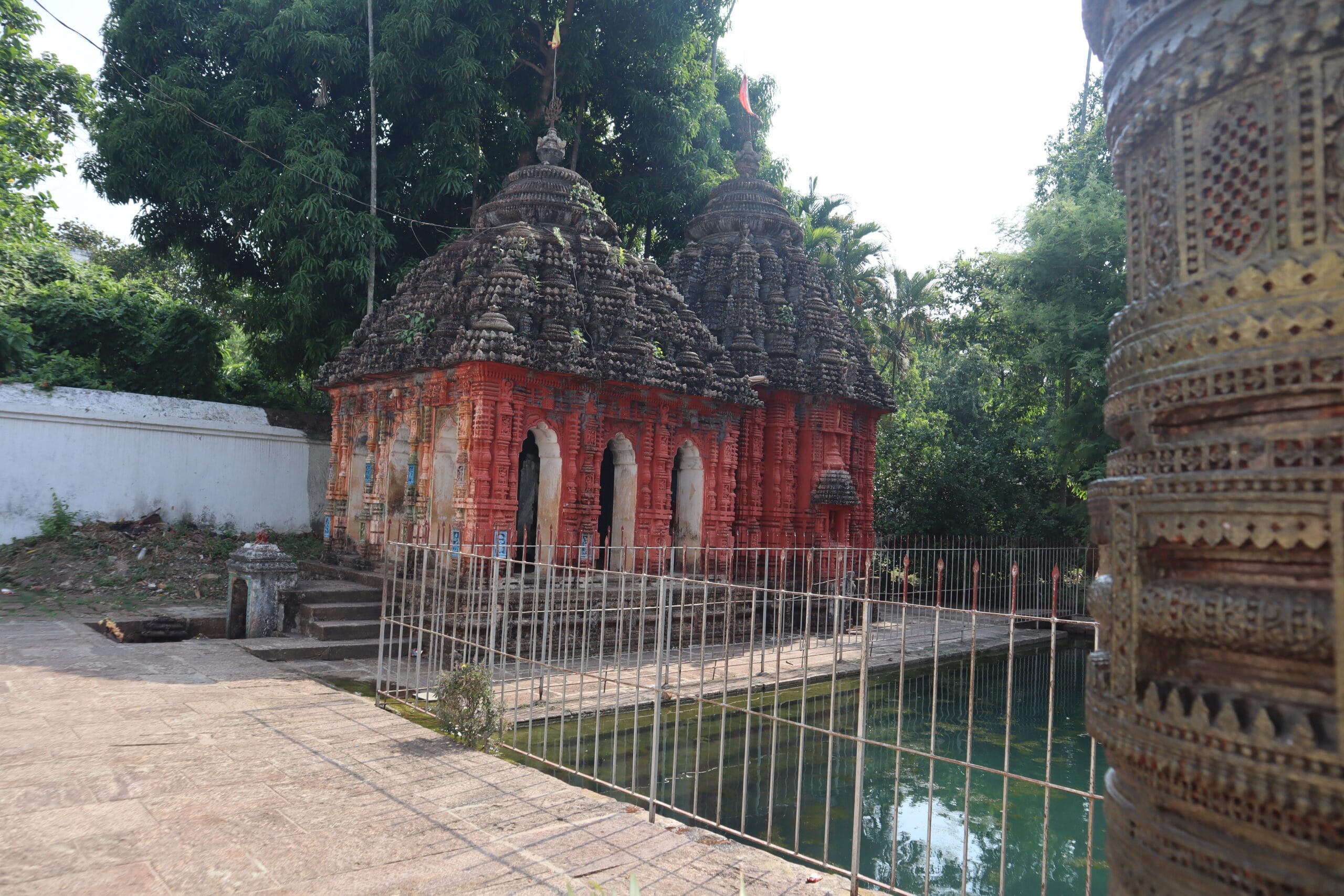
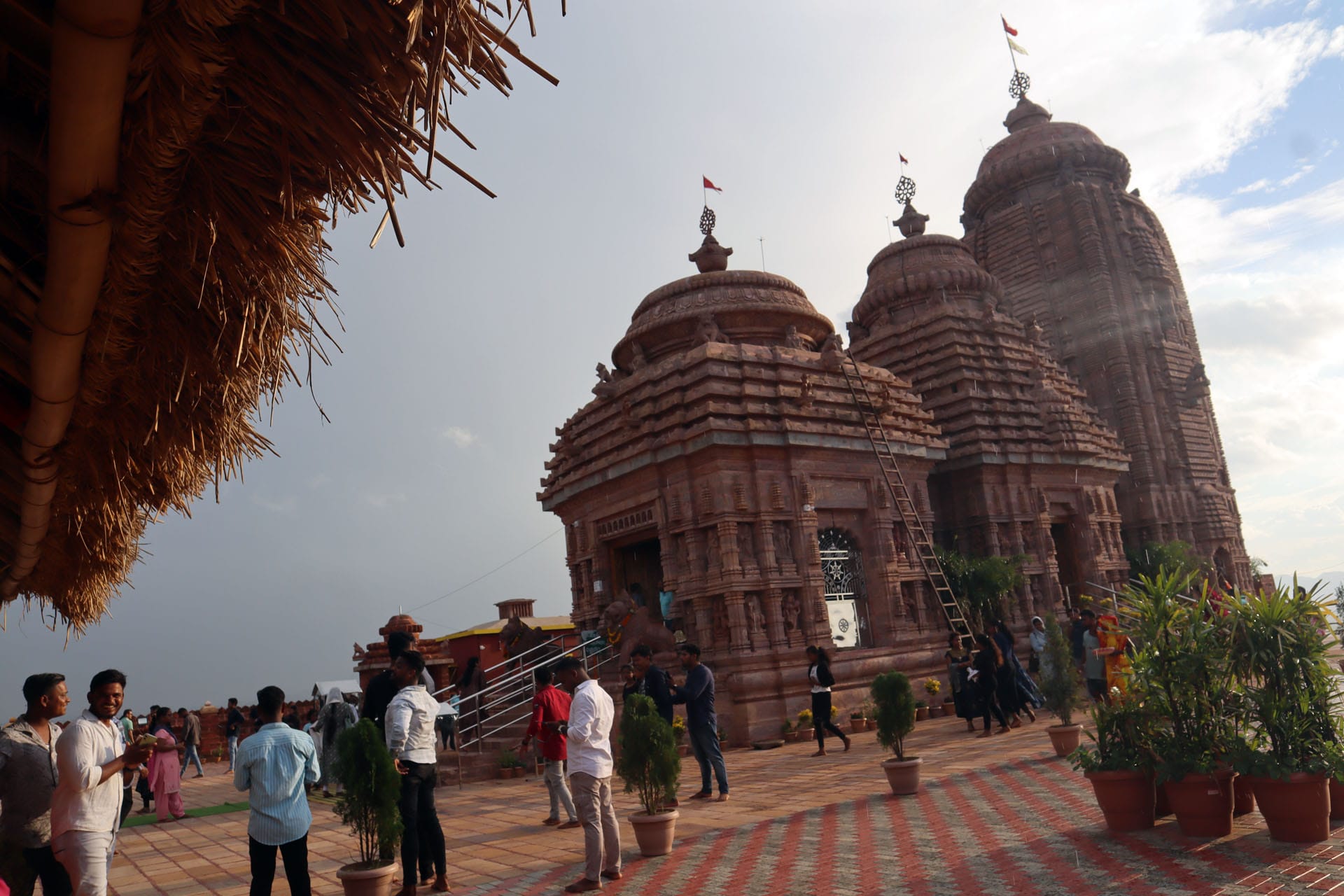
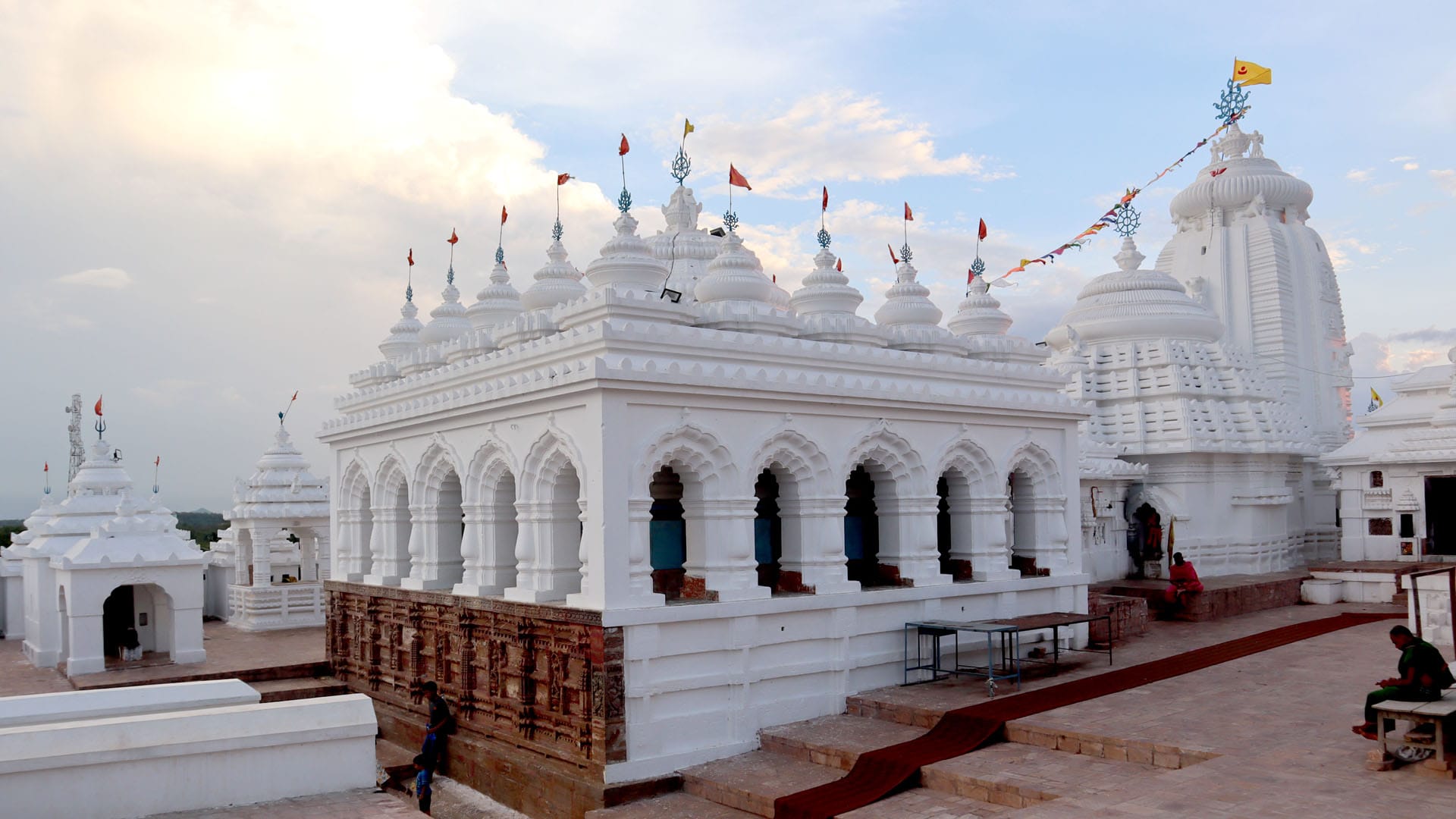
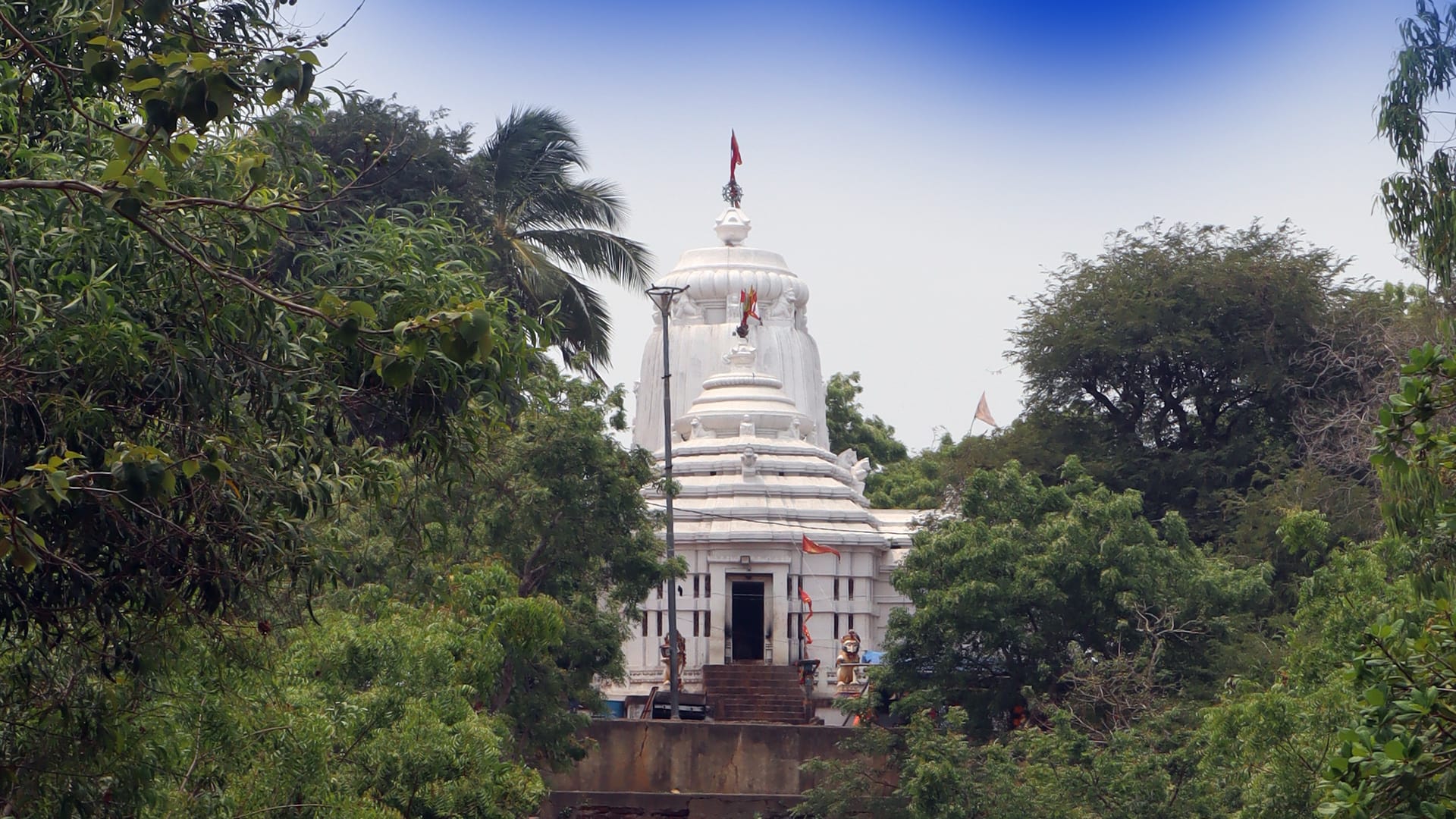
The architecture of Maa Charchika Temple beautifully reflects the craftsmanship of ancient Odisha. The temple complex consists of a pidha vimana (sanctum), a jagamohana (assembly hall), and a uniquely designed wooden pavilion known as the Sūnyavāhini Mandapa. Constructed mostly from stone, the outer surfaces are coated with lime plaster and whitewash, giving the shrine a pristine and peaceful appearance.
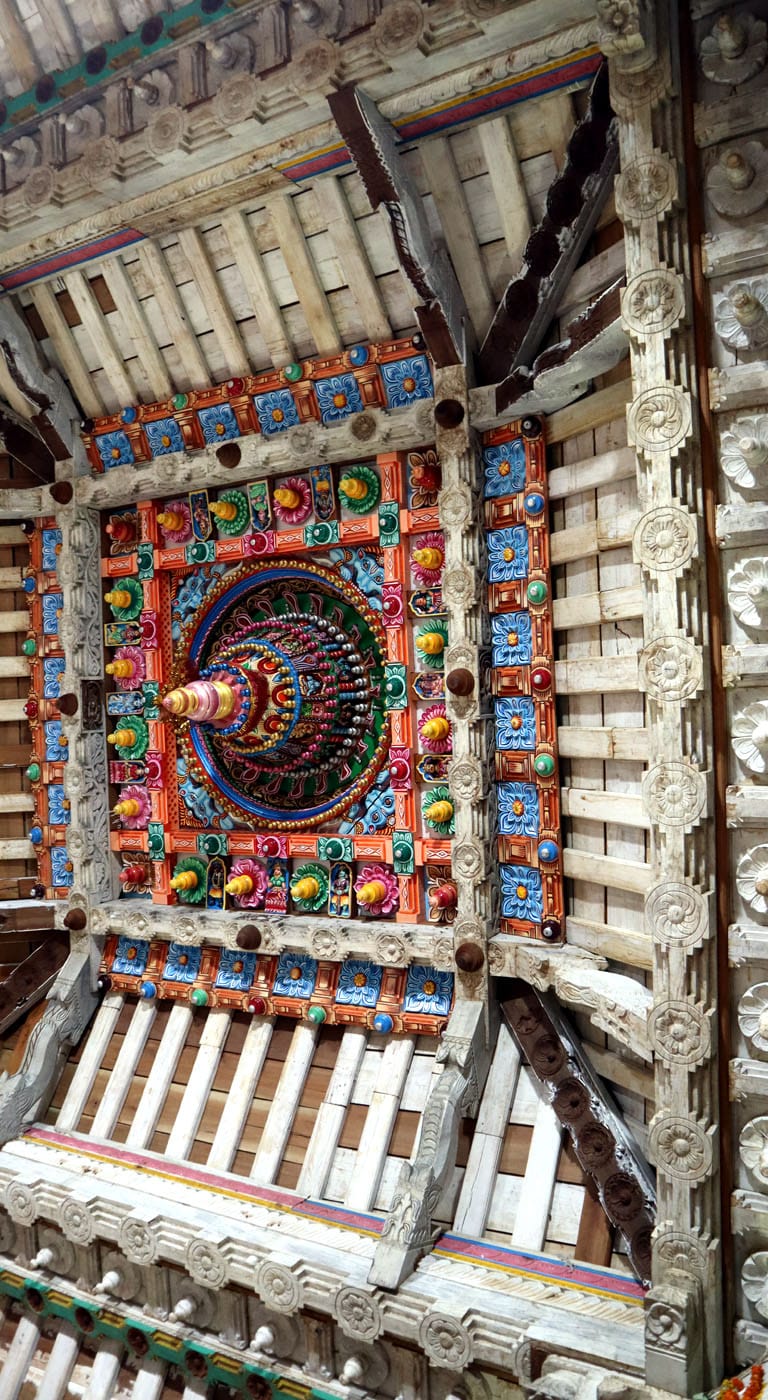
One of the most impressive features of the temple is the intricately carved wooden ceiling of the mandapa. This ceiling showcases episodes from the Bhagavata Purana, scenes from daily life, and elaborate carvings of birds and animals such as elephants, peacocks, parrots, and ducks. Floral designs, lotus medallions, scrollwork, and symbolic figures like gaja-vidalas, makara-mukhas, and mithuna motifs add to the artistic depth of the structure.
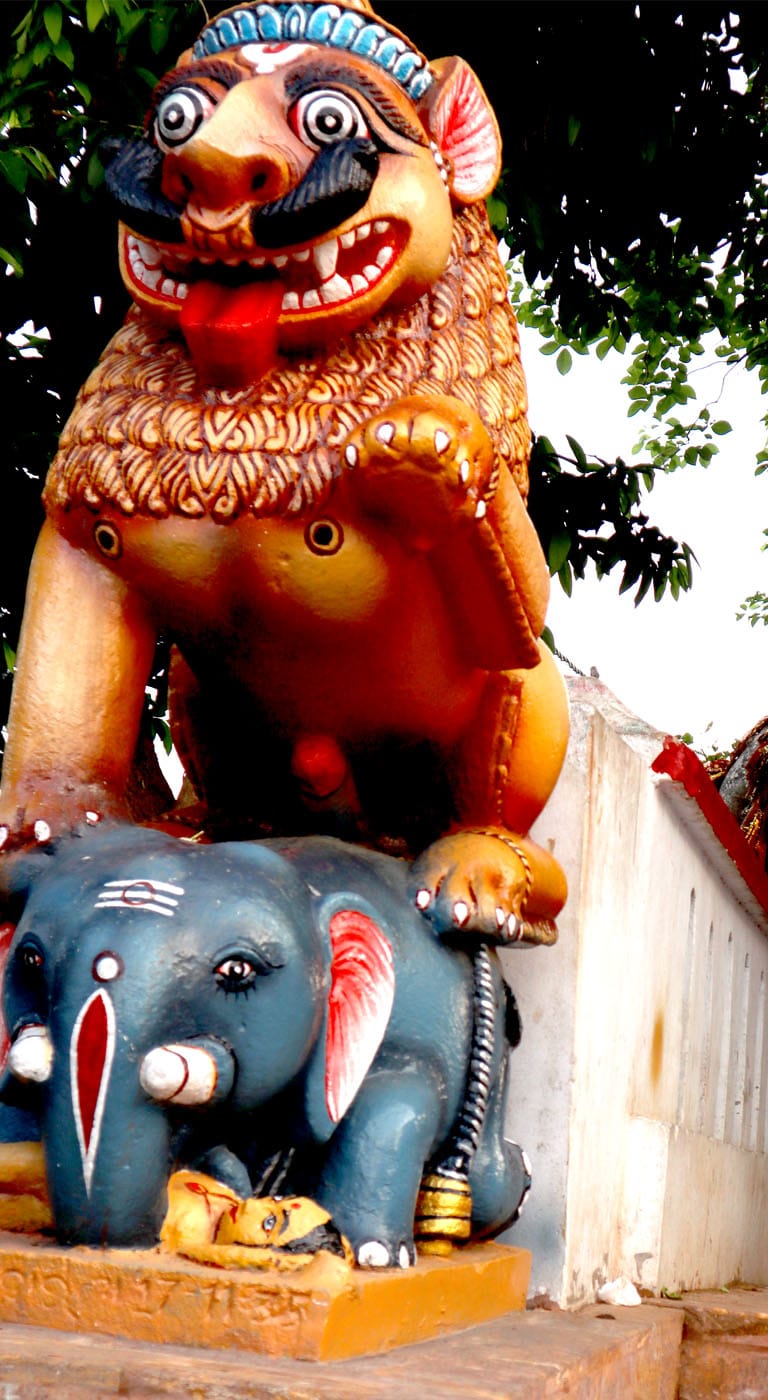
Around the sanctum are niches housing powerful forms of the goddess: Chamunda, Mahisasuramardini, and other fierce avatars. These guardian deities enhance the temple’s spiritual intensity and connect it closely with Odisha’s ancient tantric traditions.
The Legend of the Renuka River
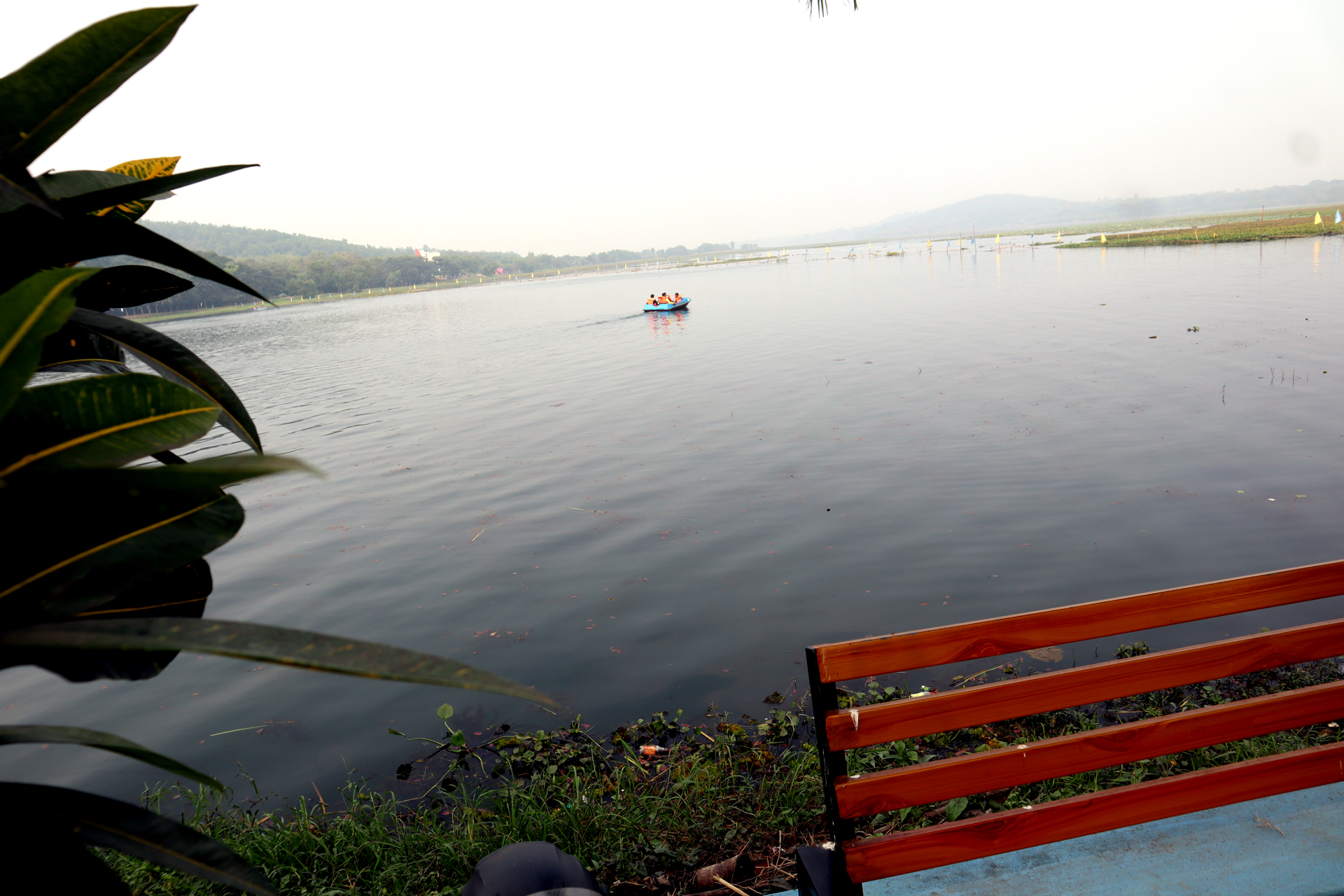
Another fascinating element of Maa Charchika Temple is the presence of the Renuka River flowing nearby. As per legend, the river emerged during a massive flood in 1982. The story tells of a devotee who wrongfully took the ornaments of the goddess and built a home on the land where the river now flows. Enraged by this act of disrespect, Maa Charchika is believed to have created the river to wash away his home and restore righteousness.
Whether taken symbolically or spiritually, this story adds mystery, devotion, and divine energy to the temple’s identity.
Why You Should Visit Maa Charchika Temple
Maa Charchika Temple is more than just a place of worship—it is a beautiful blend of history, spirituality, nature, and art. Visitors can admire ancient Kalingan architecture, explore richly carved wooden ceilings, and experience the serene ambience that surrounds the temple. Devotees come here seeking blessings for prosperity, protection, and mental peace.
The temple is also a vibrant cultural hub. Festivals like Durga Puja draw thousands of devotees, while Kumar Purnima is especially popular among young girls seeking blessings for good fortune. The mix of rituals, chanting, traditional dances, and community gatherings gives the temple a lively and spiritually uplifting atmosphere.
How to Reach
Maa Charchika Temple is easily accessible from major nearby cities:
- From Bhubaneswar:
Around 50 km by road (approx. 1.5 hours). Private taxis, auto-rickshaws, and local buses are available. - From Cuttack:
Nearly 30 km away (approx. 1 hour). Regular buses and shared vehicles connect to Banki. - Nearest Railway Station: Cuttack Railway Station
- Nearest Airport: Biju Patnaik International Airport, Bhubaneswar
The temple lies on a scenic route along the Mahanadi, making the drive a refreshing experience.
Best Time to Visit
The ideal time to visit Maa Charchika Temple is:
- October to February: Pleasant weather, perfect for temple visits and sightseeing.
- During Durga Puja & Kumar Purnima: The temple is decorated beautifully, and cultural celebrations are at their peak.
- Post-monsoon (August–September): The surrounding greenery and river look their best.
Avoid the peak summer months (April–June), as temperatures can be high.
For visitors who want to learn more about the rich cultural heritage of Banki and other famous Shakti temples across Odisha, the Official Odisha Tourism portal provides detailed information, historical references, and travel guidance. You can explore additional resources and verified details about Maa Charchika Temple and nearby attractions at:
https://odishatourism.gov.in



One Response