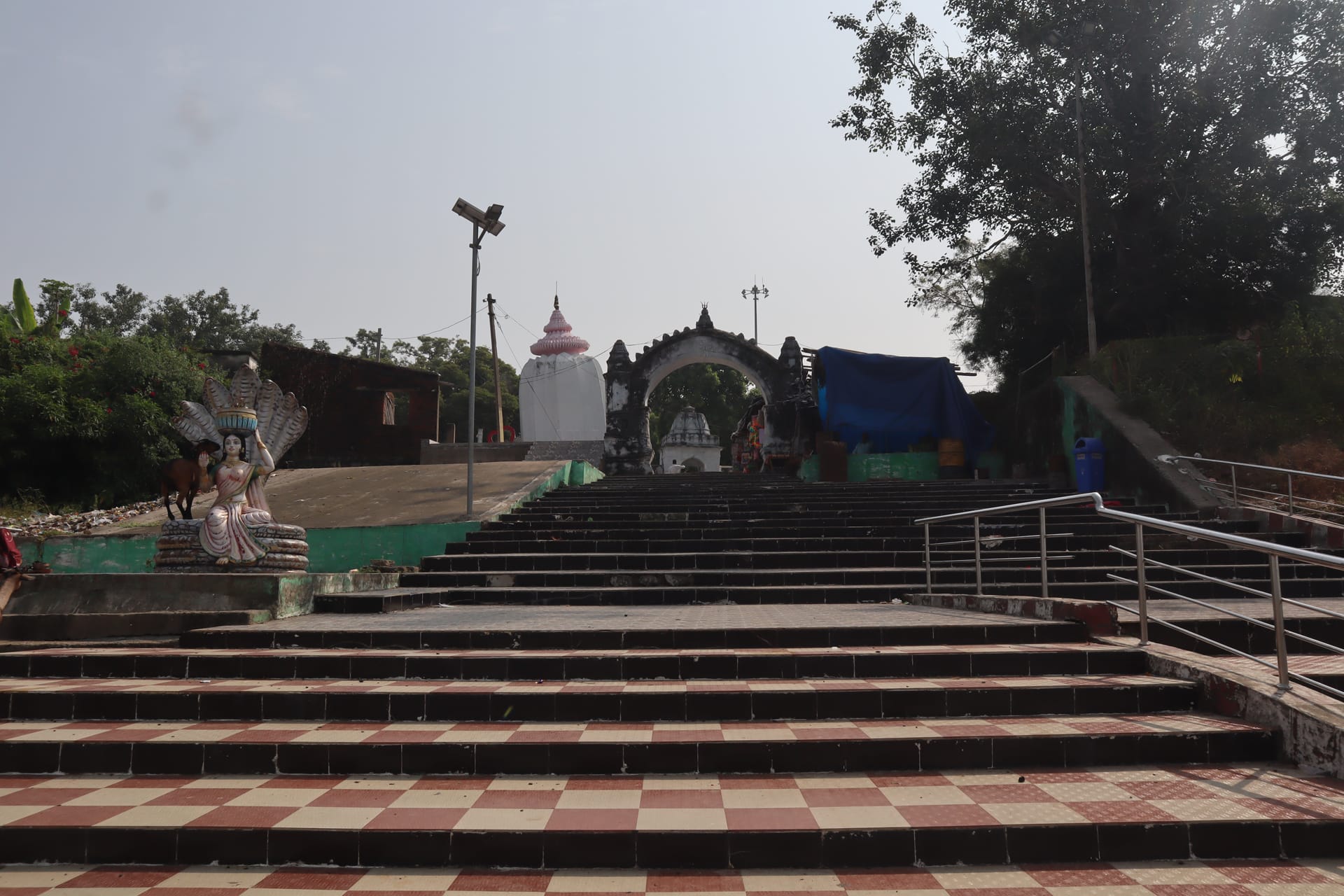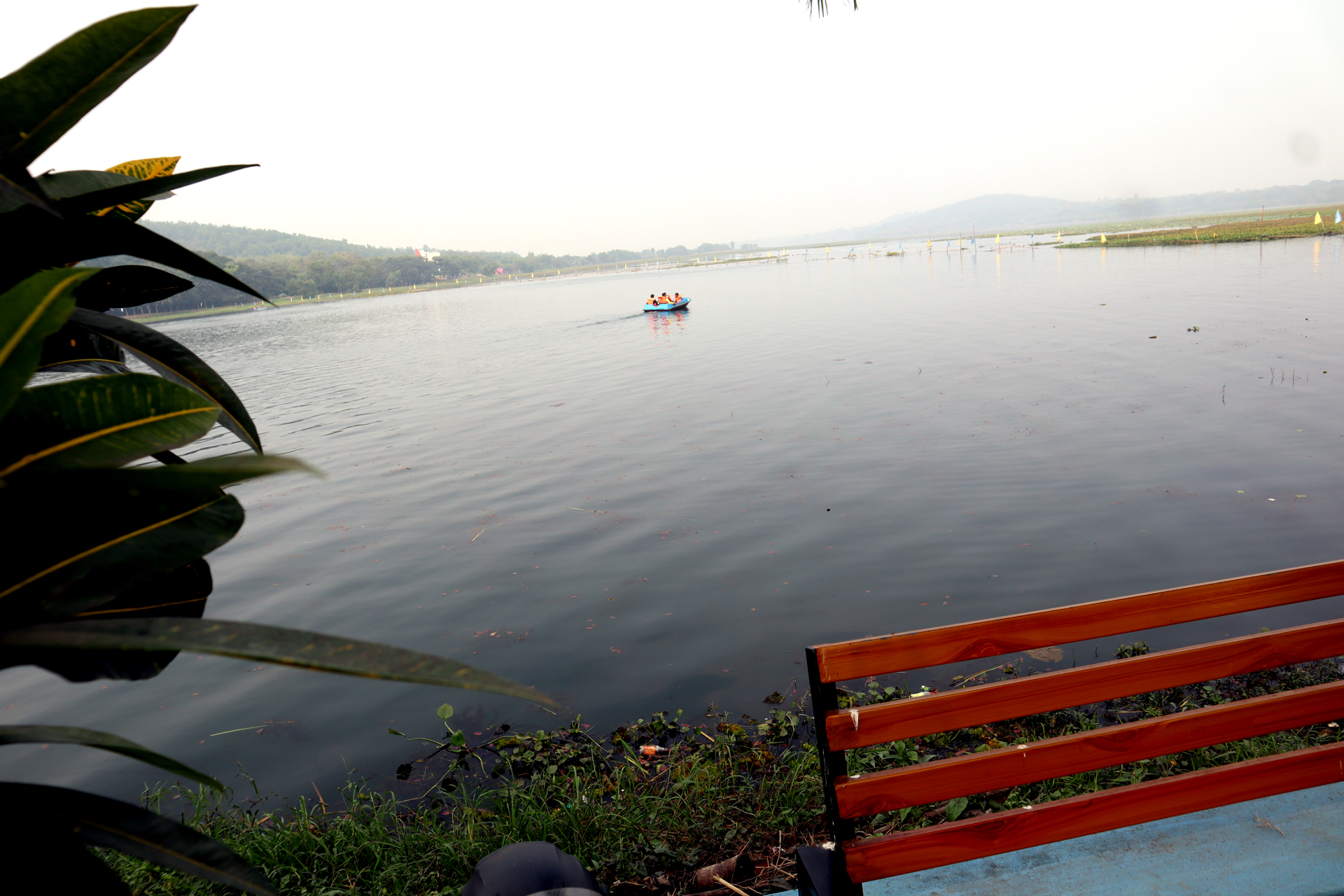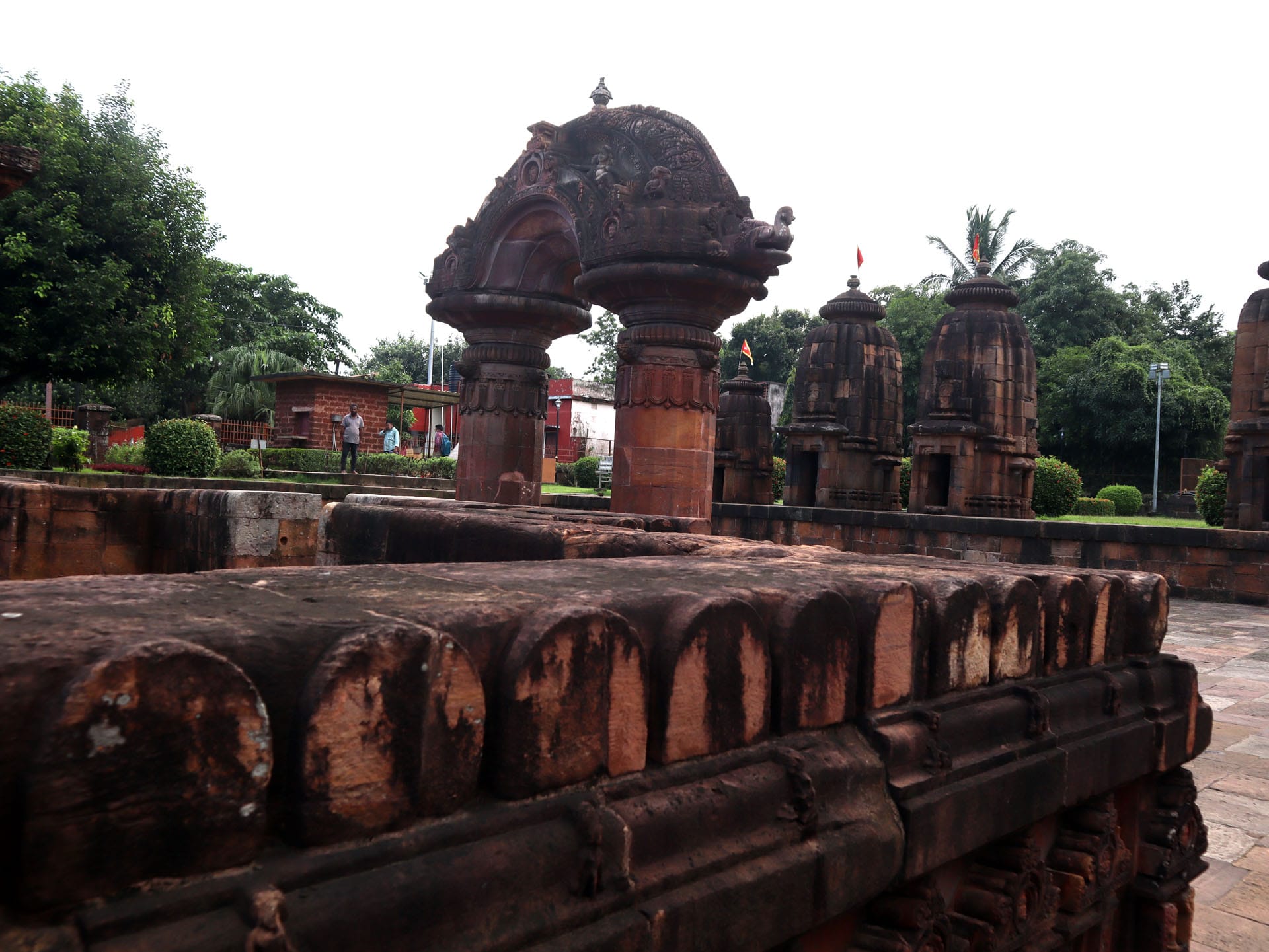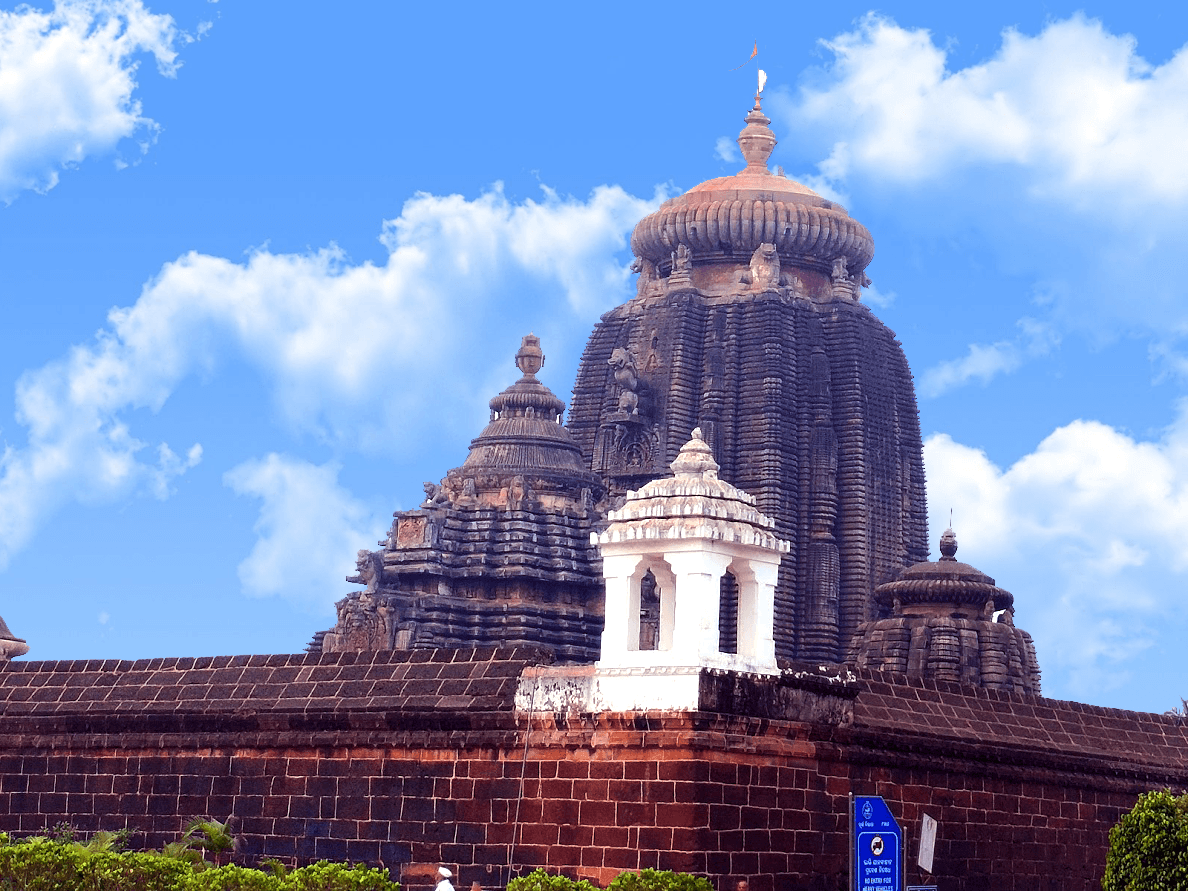
One of the most intriguing spiritual sites in the region is the Maa Ghanteswari Temple, which is tucked away in the serene and picturesque environs of Sambalpur, Odisha. The temple, which combines mythology, devotion, distinctive architecture, and natural charm, is well-known for its many bells and its centuries-old connection to transportation along the Mahanadi River. This holy location, which is around 33 kilometers from Sambalpur, is treasured by both pilgrims and travelers looking for a calm, meaningful getaway.
Often described as the Heart of Chipilima, a beloved picnic destination, Maa Ghanteswari Temple offers a rare combination of spirituality and scenic leisure, making it a must-visit for anyone exploring western Odisha.

A Temple of Bells – Symbol of Fulfilled Wishes
The hallmark feature of this temple is its stunning collection of bells—known locally as ghanti. Devotees visit Maa Ghanteswari with heartfelt desires and return later to offer bells as a token of gratitude once their wishes are fulfilled.
This long-standing ritual has turned the temple into a mystical sanctuary where every bell represents a story of devotion, hope, and divine blessings. The temple grounds echo with a gentle chorus of ringing bells, creating a spiritually uplifting ambiance that instantly touches the heart.
Uniquely, Maa Ghanteswari Temple is said to be the only shrine in Odisha completely adorned with thousands of bells, giving it a visual and auditory identity unlike any other temple in the state.
A Lighthouse Without Light – Guiding Ancient Sailors
Long before modern navigation existed, the region around the temple was known for dangerous river currents. Three powerful streams of the Mahanadi River meet near this site, forming whirlpools that once created hazardous conditions for boats and fishermen.
Centuries ago, Maa Ghanteswari Temple served as a natural lighthouse—without actual light.
Instead, the large bells placed around the temple would ring loudly when strong winds blew across the river.
These sounds traveled long distances over the water, warning sailors of the treacherous currents and steering them away from danger.
This unique historical role connected the temple not only to spirituality but also to the survival and livelihood of countless river navigators.
The Legend of Maa Ghanteswari & the Wind
According to local legend, Maa Ghanteswari—the presiding deity—protects devotees from natural calamities and guides lost souls. In ancient times, the temple grounds housed massive bells hung on towering structures. When strong winds swept across the plains, these bells vibrated intensely, producing deep and resonant sounds.
These wind-driven chimes symbolized the goddess’s protective presence, alerting visitors of dangers and keeping ships safe. Even today, locals believe the goddess continues to watch over travelers, especially those traveling along the river.
Transformation After the Hirakud Dam
The turbulent waters near the temple changed significantly after the construction of the Hirakud Dam, one of the world’s longest earthen dams. The dam stabilized much of the dangerous swirling currents, making the surroundings safer and more accessible.
While the temple no longer serves as a warning system for sailors, its spiritual significance has only grown. Today, Maa Ghanteswari Temple continues to attract thousands who come to experience its divine atmosphere, scenic river views, and unique history.
Chipilima—near the shrine—has also evolved into a popular picnic area where families enjoy the beautiful river landscape, gentle breezes, and peaceful environment.
How to Reach Maa Ghanteswari Temple
Reaching the temple is easy, thanks to good connectivity from Sambalpur and nearby cities.
By Air
The nearest airports are:
- Jharsuguda Airport (Veer Surendra Sai Airport) – approx. 70 km
- Raipur Airport – approx. 290 km
- Bhubaneswar Airport – approx. 350 km
Jharsuguda is the most convenient for modern travelers, with increasing connectivity each year.
By Train
The nearest railway station is:
- Hirakud Railway Station – approx. 20 km
- Sambalpur Junction – approx. 28 km
From the station, taxis, buses, and autos are readily available.
By Road
The temple is well-connected through a smooth and scenic route.
Route:
Sambalpur → Bargarh–Sambalpur Road → Goshala → Chipilima Road → Maa Ghanteswari Temple
This road passes through beautiful countryside landscapes, making the journey enjoyable for families and nature lovers.
Local Transportation
Once you reach Sambalpur or Hirakud, you can easily find:
- Auto-rickshaws
- Local buses
- Private taxis
These provide a convenient approach to the temple premises.
Travel Tips for First-Time Visitors
- Plan your visit early in the day to avoid afternoon heat.
- Explore nearby Chipilima Power House for scenic river views.
- Purchase locally made offerings and bells from nearby shops.
- Festival days—especially during Shivratri—can be crowded, so arrive early.
- Carry water and hats for summer visits as the area is open and windy.
Best Time to Visit Maa Ghanteswari Temple
The ideal time to explore the temple is between:
- October and March
The temperatures are pleasant, making it perfect for:
- Picnics
- Photography
- Riverside sightseeing
- Spiritual retreats
Monsoon season offers lush greenery but may make travel slightly difficult.
Outbound Resource for Further Exploration
To explore more about Odisha’s ancient temples, architecture, and festivals, visit the official tourism portal:
👉 Odisha Tourism – Official Website
This resource provides authentic information, heritage guides, and travel planning support.
A Sanctuary of Bells, Wind & Blessings
The Maa Ghanteswari Temple is more than a religious site—it is a symbol of Odisha’s spiritual depth, architectural heritage, and timeless traditions. Whether you visit to fulfill a vow, admire the lakeside beauty, or experience the melodic sound of countless bells, the temple leaves every visitor with a sense of peace and divine connection.
A journey here is not just a pilgrimage—it is an immersion into stories of faith, nature, and history that continue to resonate through the winds of Sambalpur.