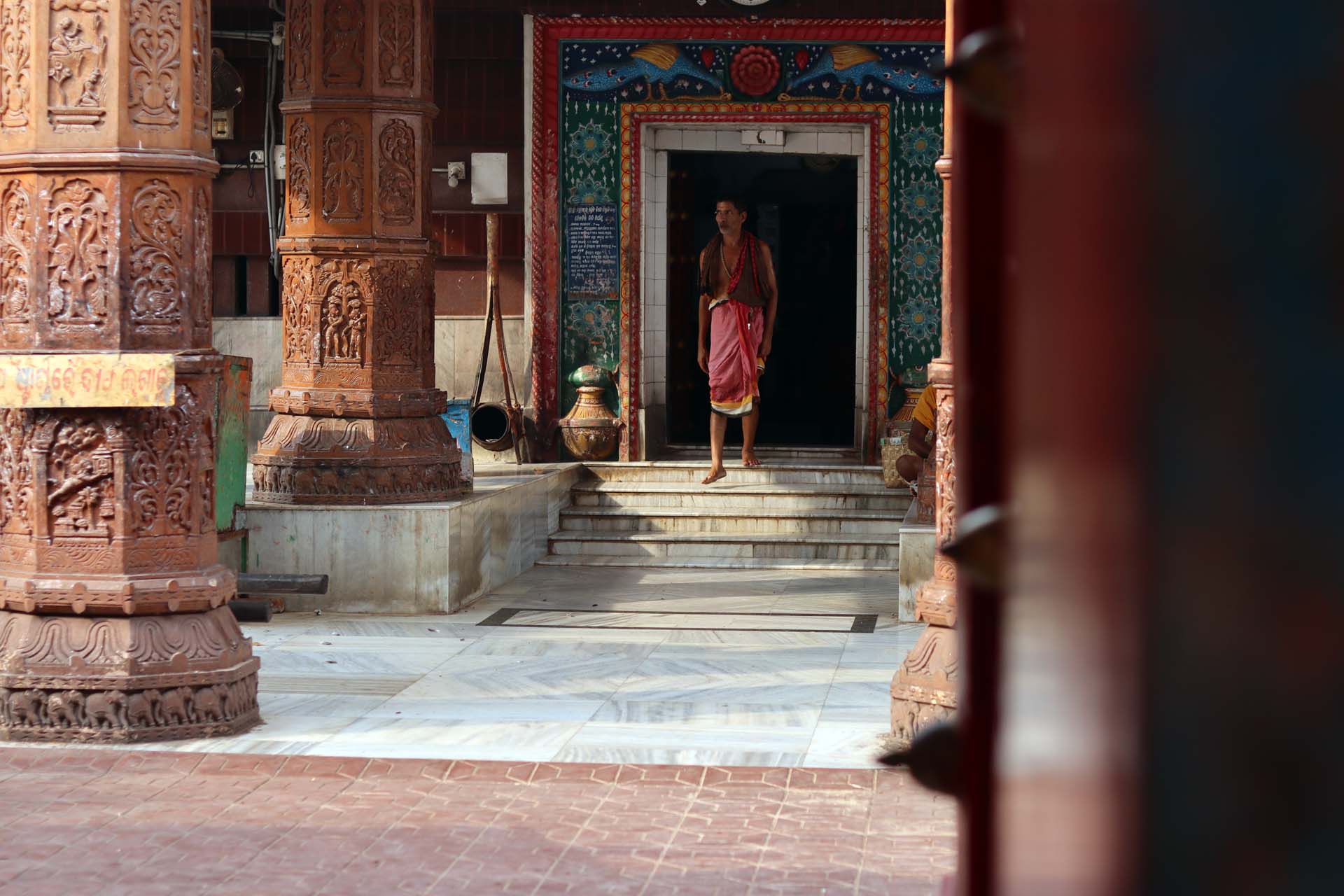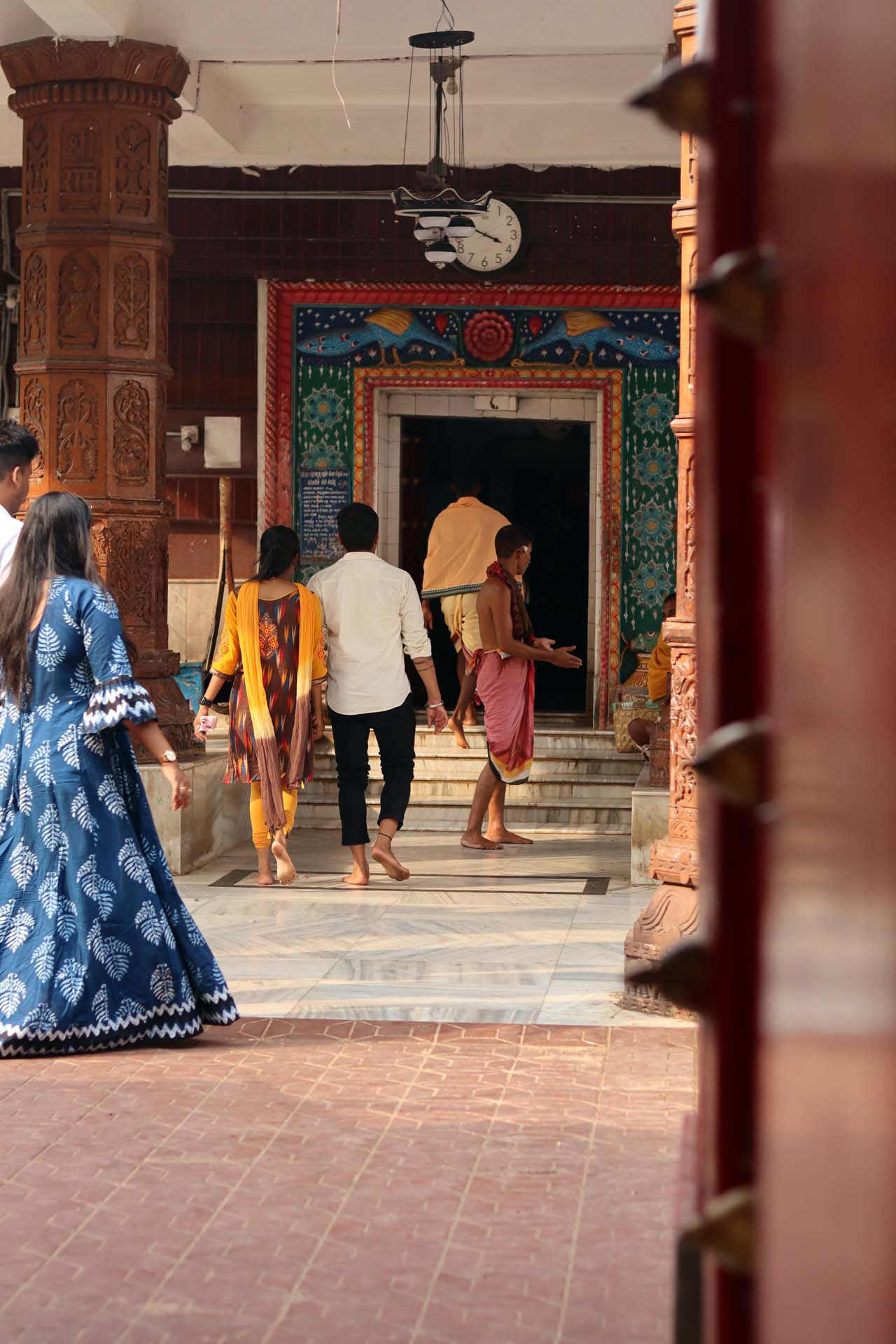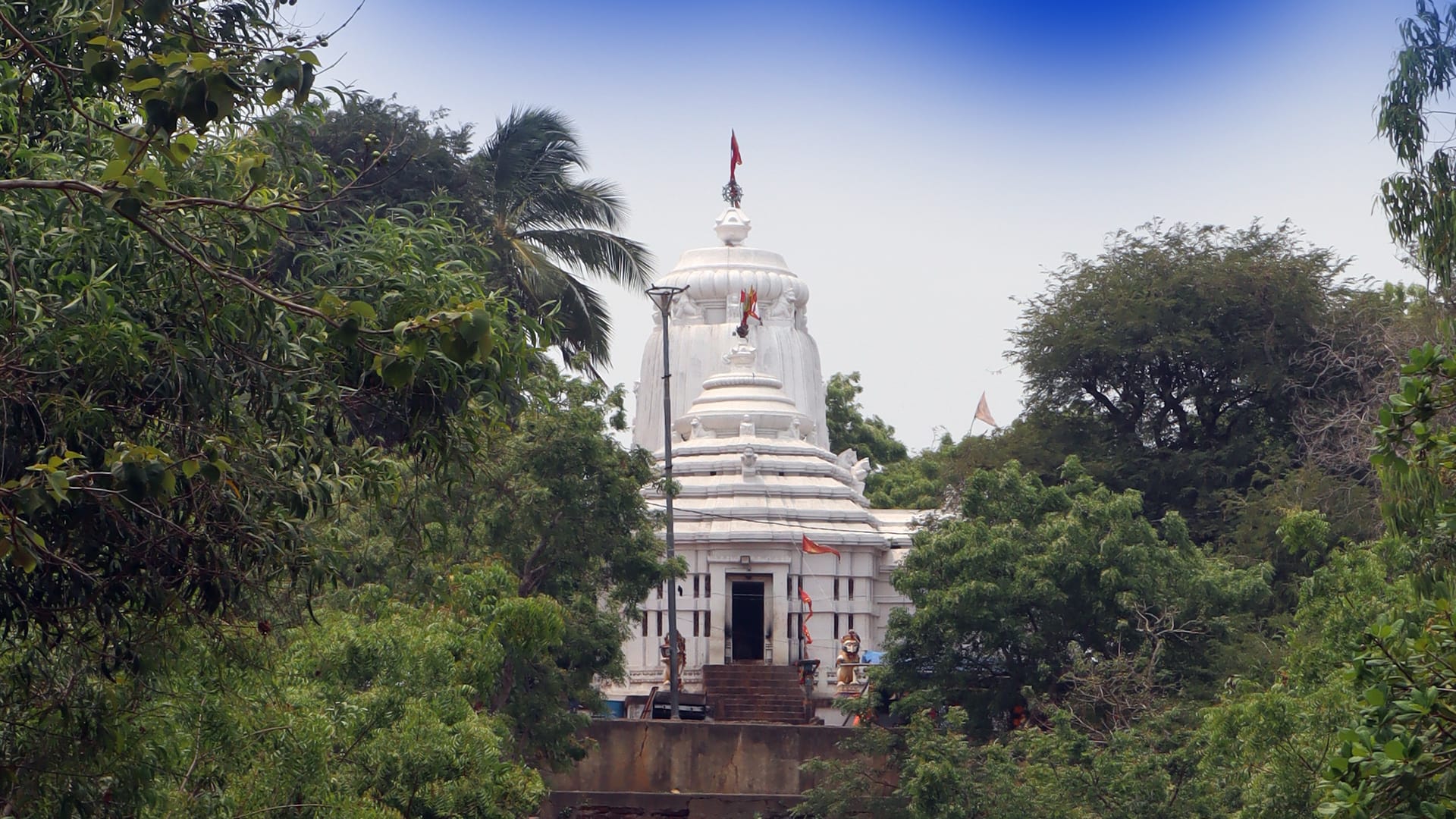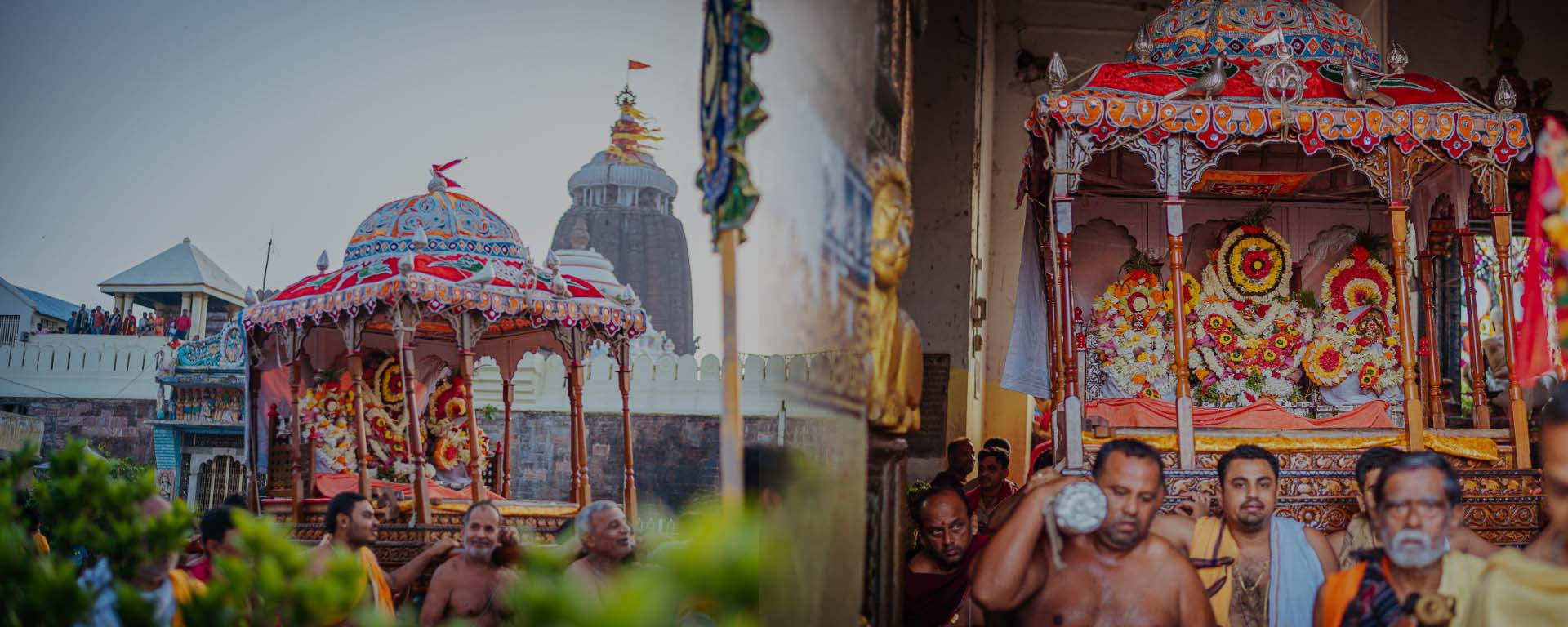

The Siruli Mahavir Temple is one of Odisha’s most revered Hanuman shrines, located around 33 km from Puri on the way to Bhubaneswar. Although not architecturally extravagant, this temple carries deep spiritual significance among Odia devotees and stands as an important cultural landmark in the region. Its powerful idol, ancient lineage, and fascinating legends make it a must-visit for pilgrims and travelers exploring Odisha’s spiritual heritage.
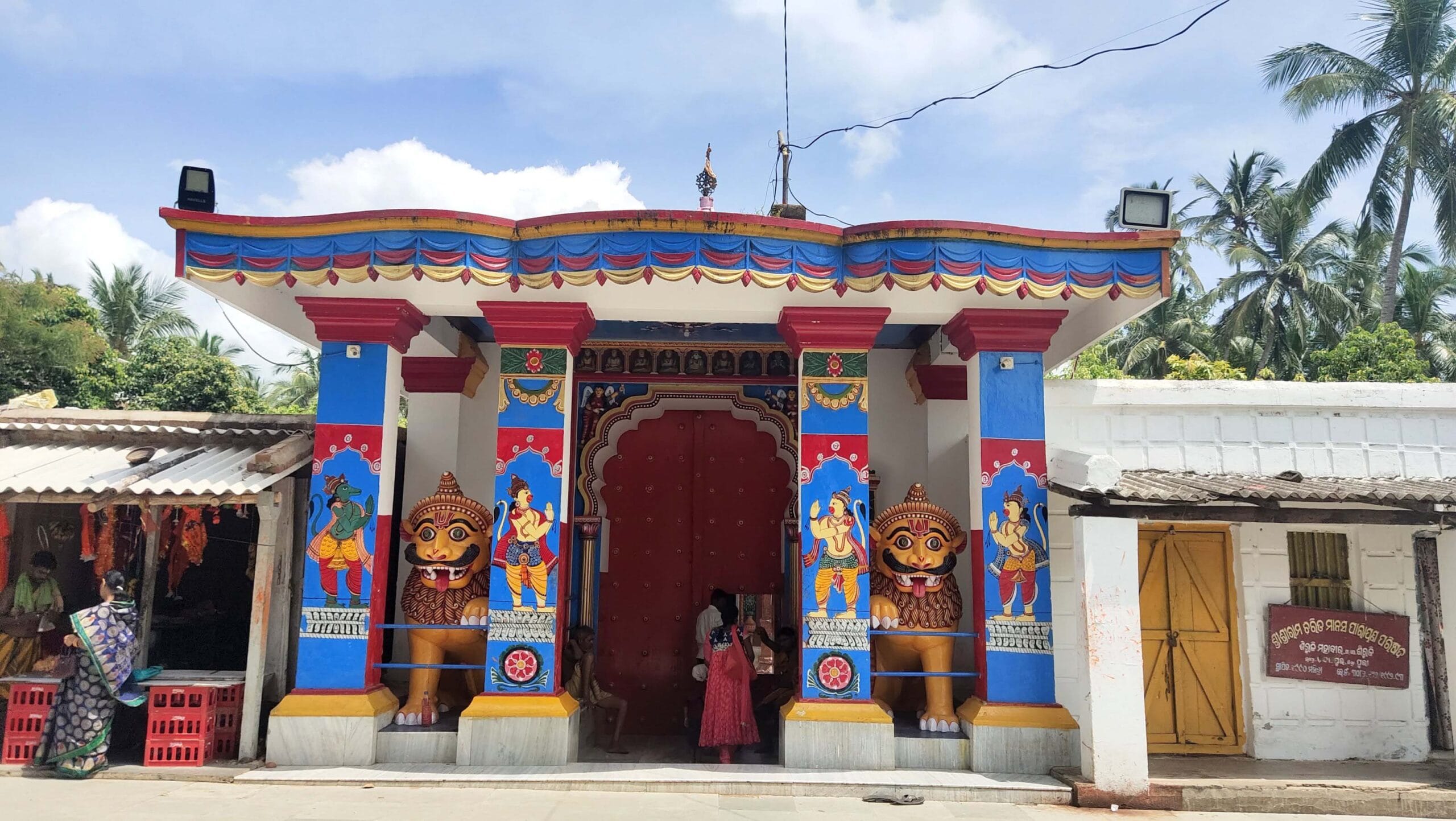
Architectural Highlights
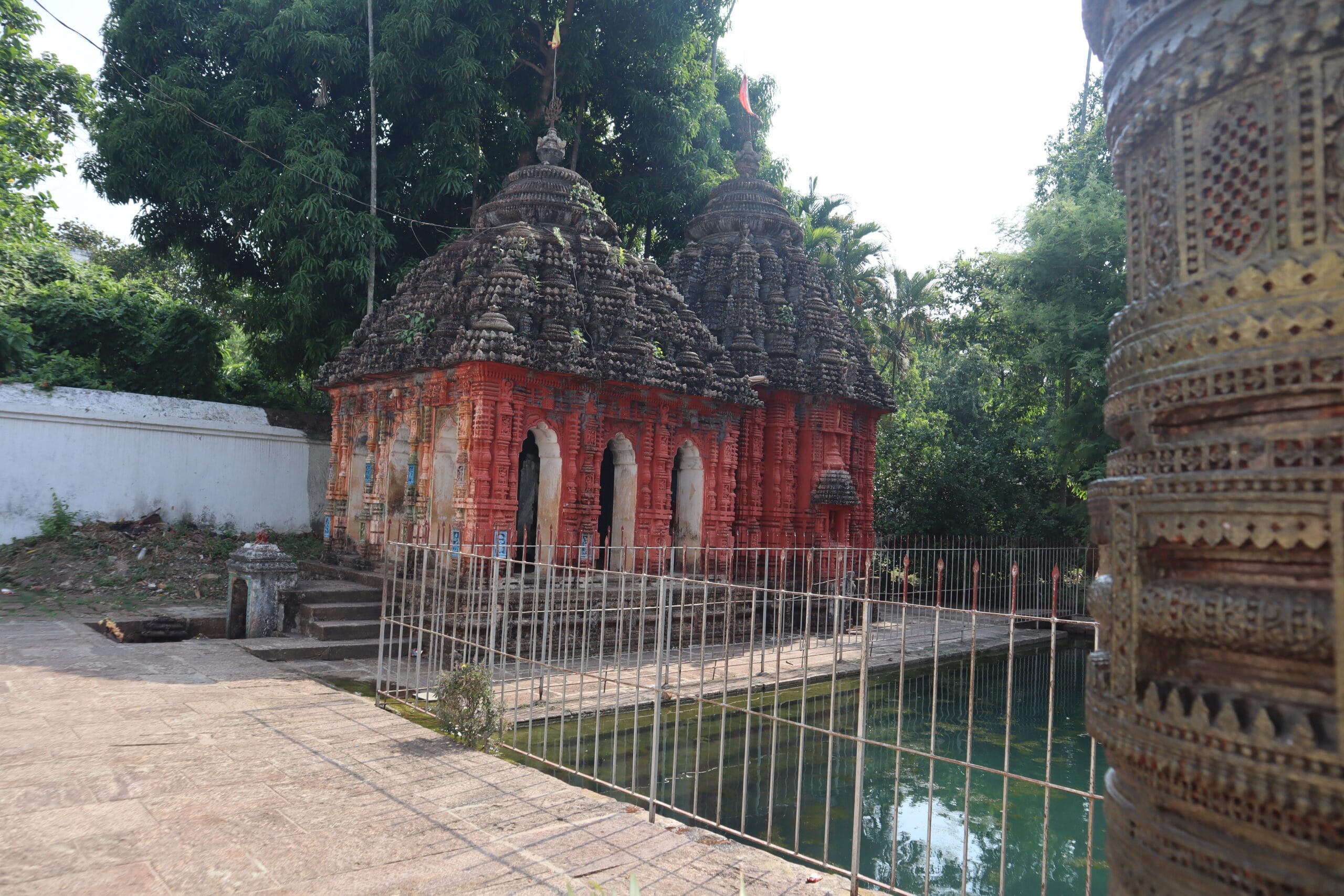
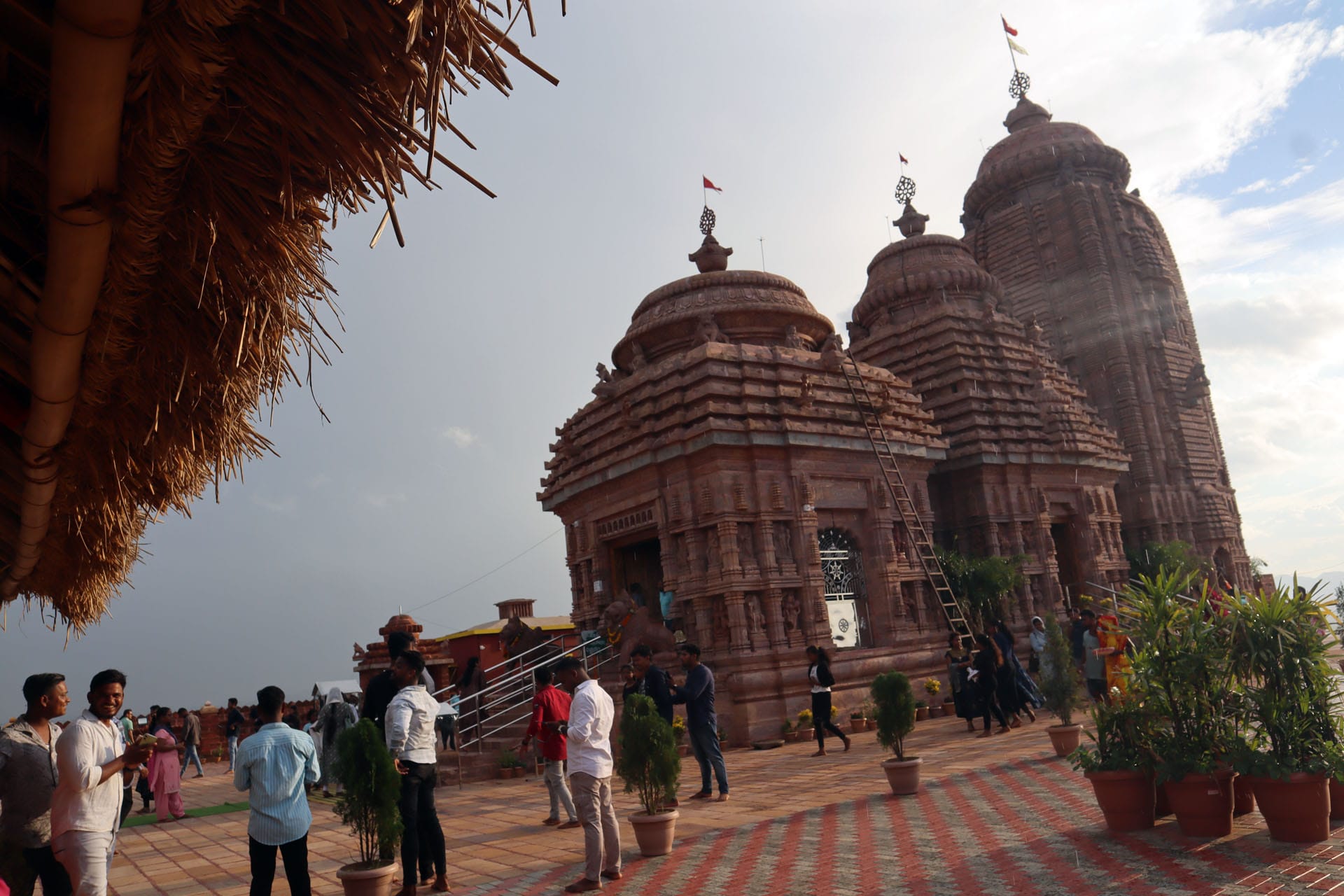
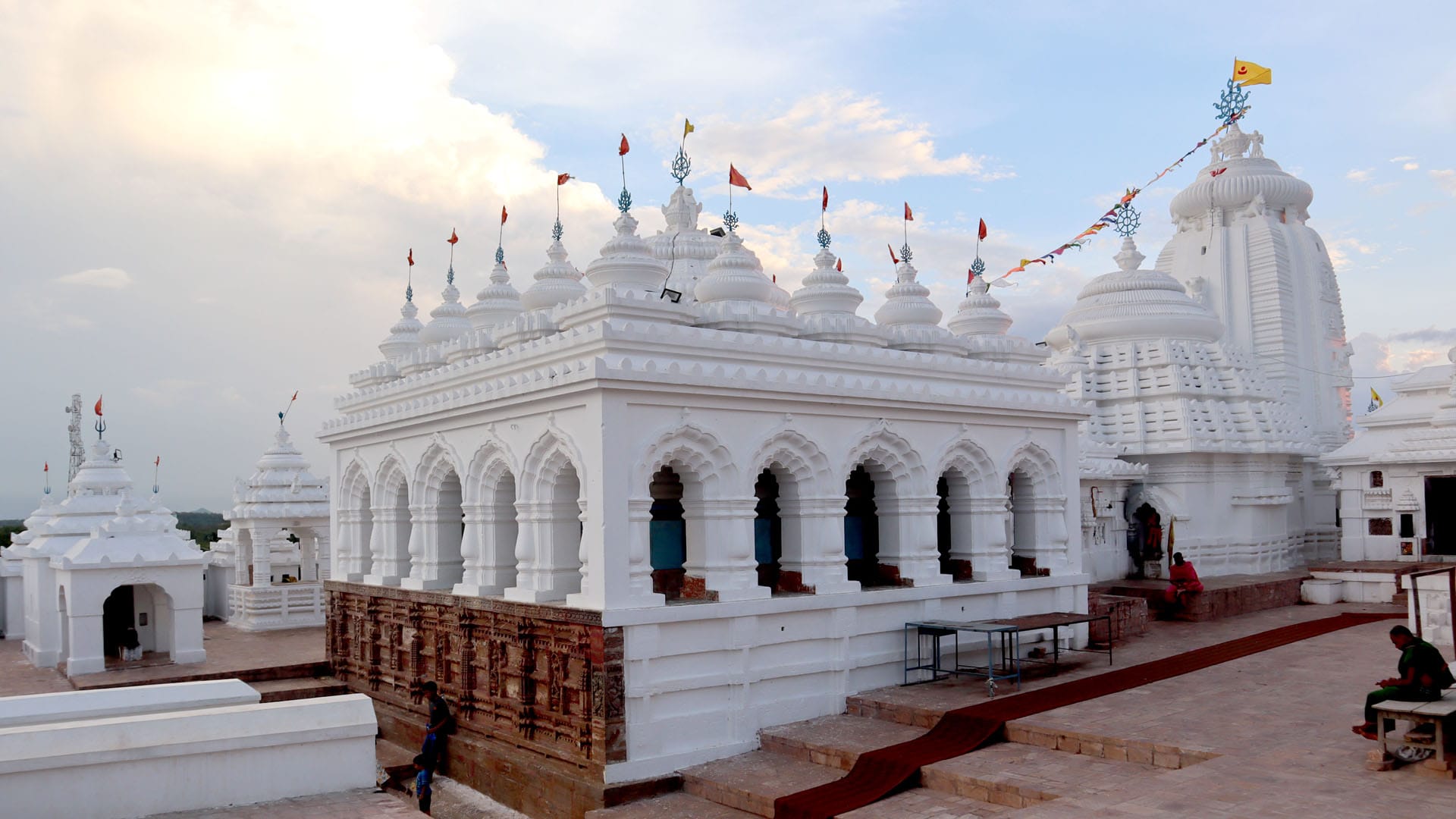
The architecture of the Siruli Mahavir Temple blends laterite and sandstone, lending it a rustic and traditional Odia character. The temple faces south, which is uncommon and symbolically linked to Hanuman’s protective nature.
Key architectural elements include:
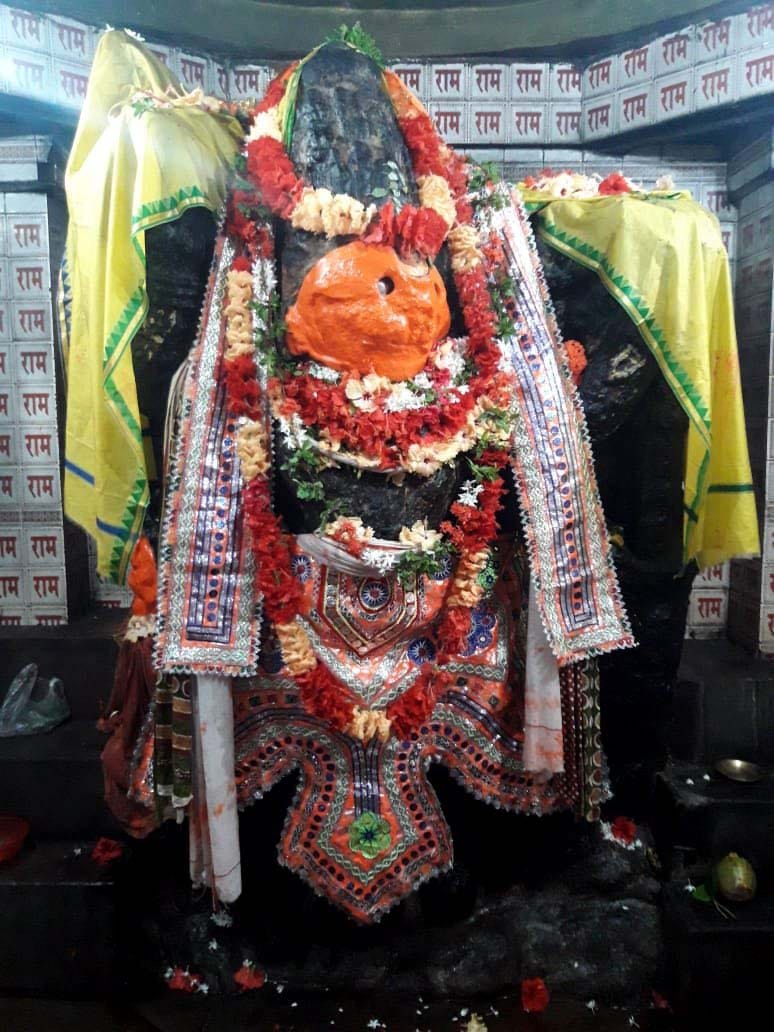
1. The 10-Foot Hanuman Idol
- Carved from a single block of black chlorite stone
- Hanuman stands tall holding:
- A short dagger in his left hand
- The Gandha Mardana mountain in his right
- A carving of Anjana, his mother, appears near the pedestal
- A Shiva Linga rests on his head, protected by a seven-hooded serpent
- Inside his heart, a detailed carving shows Lord Rama and Goddess Sita
2. Intricate Exterior Carvings
The temple walls feature sculptures of:
- Lord Hanuman
- Lord Ganesha
- Mahisamardini Durga
- Shiva Linga
- A bull (Nandi)
Above the eastern gateway, carvings of the Navagrahas (Nine Planets) can be seen.
3. The Entrance & Sacred Tree
Two stone lions guard the main entrance, a classic element of Kalinga architecture. In front of the temple stands an ancient Peepal (Ashvastha) tree, considered sacred and believed to radiate spiritual energy.
History
Although its exact origins are debated, local traditions attribute the construction of the Siruli Mahavir Temple to Anangabhima Deva III, a 13th-century ruler of the Eastern Ganga Dynasty. This period was marked by the rise of monumental temple architecture in Odisha, including developments around Puri and its surrounding shrines.
Over centuries, the temple evolved into an important Hanuman Pitha (seat of worship) and became deeply rooted in the spiritual life of the region.
Legends & Cultural Importance
One of the most captivating legends associated with the Siruli Mahavir Temple is the belief that:
- Hanuman’s left eye is always fixed on the Jagannath Temple in Puri, watching over Lord Jagannath
- His right eye gazes toward Lanka, symbolizing eternal vigilance against evil
Locals believe that Lord Mahavir stands here as a guardian deity, protecting the land and its people.
The temple witnesses large gatherings during:
- Makara Sankranti
- Rama Navami
- Dola Purnima
These festivals are celebrated with devotional music, rituals, and vibrant cultural activities, drawing devotees from across Odisha.
For travelers seeking cultural insight, the temple offers a glimpse into Odisha’s devotion to Jagannath and Hanuman, two central figures in the region’s spiritual landscape.
How to Reach Siruli Mahavir Temple
- From Puri: 33 km by road (approx. 45–50 minutes)
- From Bhubaneswar: Around 50 km (approx. 1–1.5 hours)
- Nearest Railway Station: Puri Railway Station
- Nearest Airport: Biju Patnaik International Airport, Bhubaneswar
Regular buses, taxis, and auto-rickshaws are available. For route details, travelers can refer to the Odisha Tourism portal or major map/navigation apps.
Best Time to Visit
The ideal time to visit the Siruli Mahavir Temple is:
- October to March — pleasant weather, perfect for sightseeing
- During major festivals, when rituals and celebrations create a vibrant spiritual atmosphere
Mornings and evenings are particularly serene, offering a peaceful darshan experience.