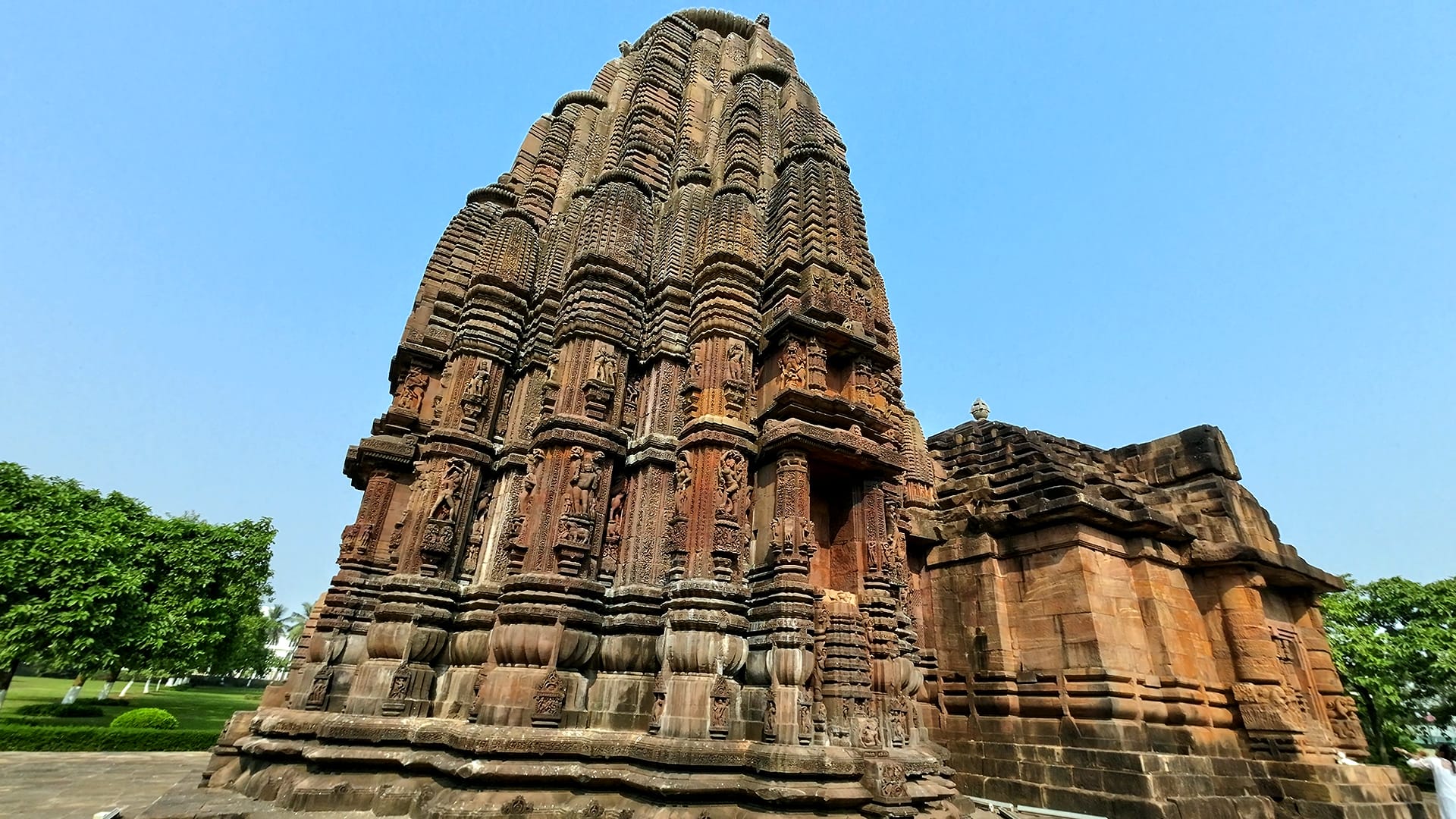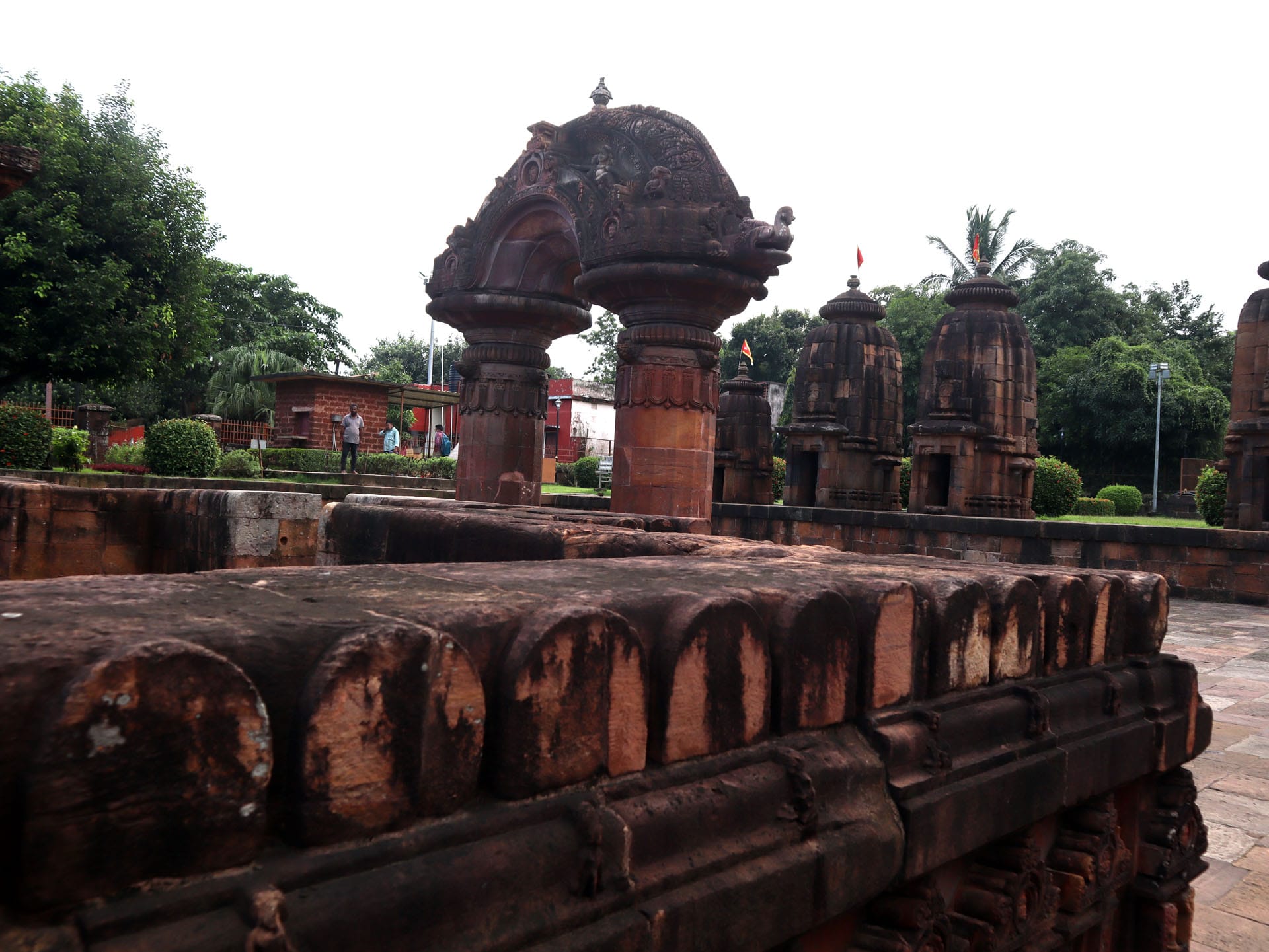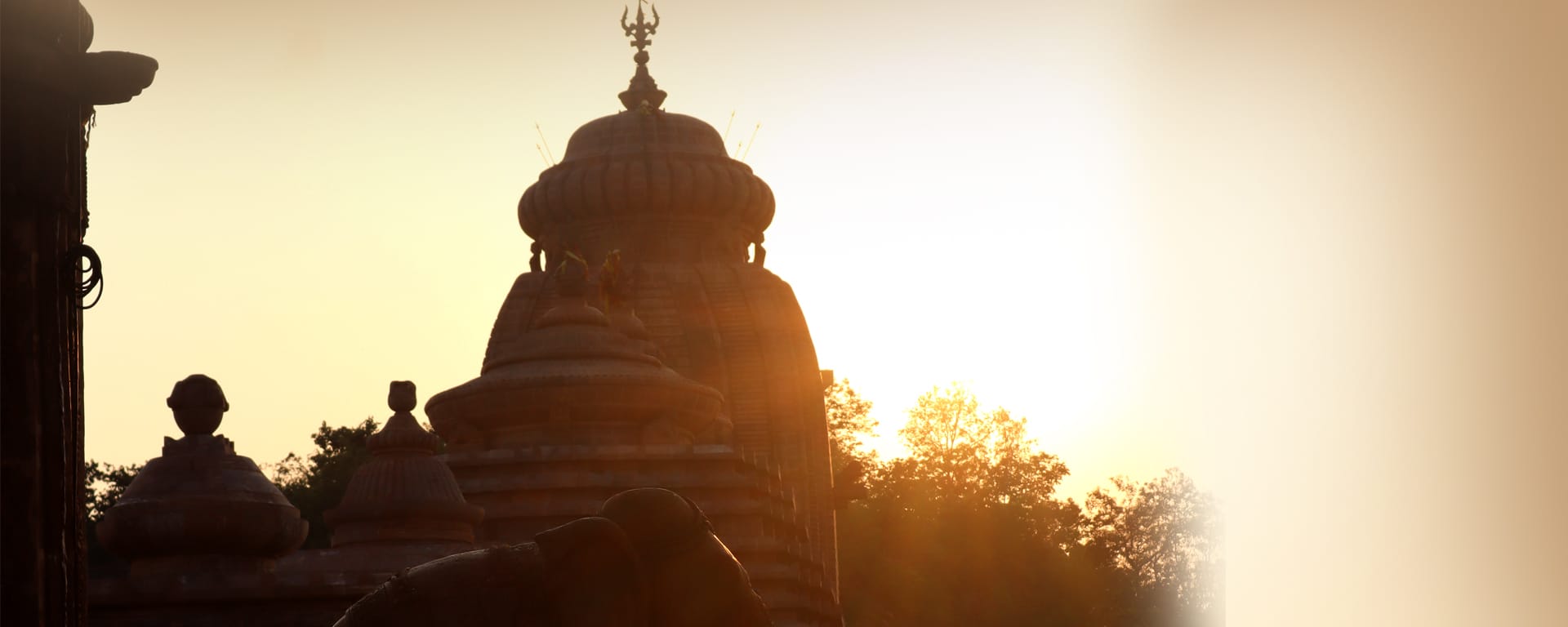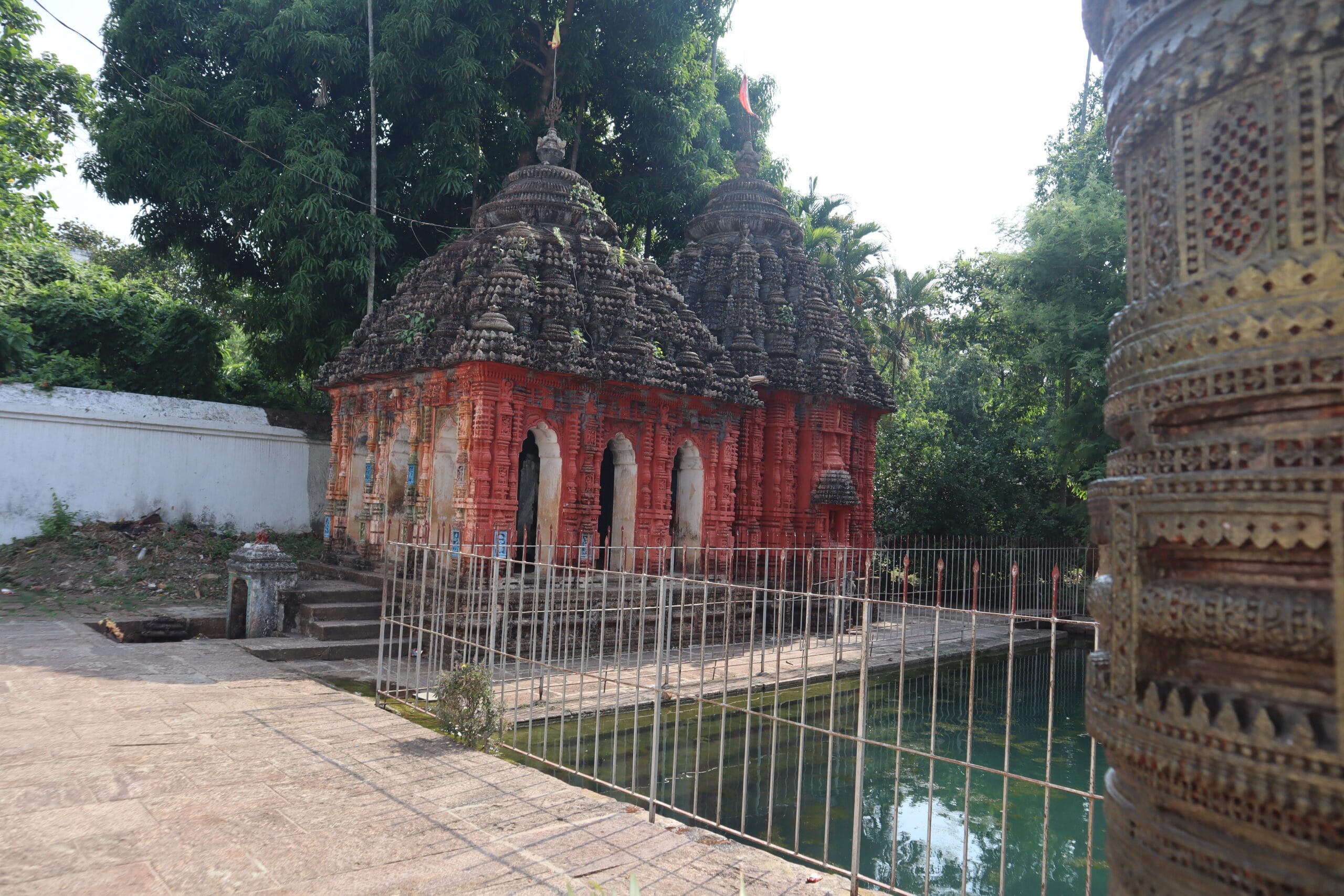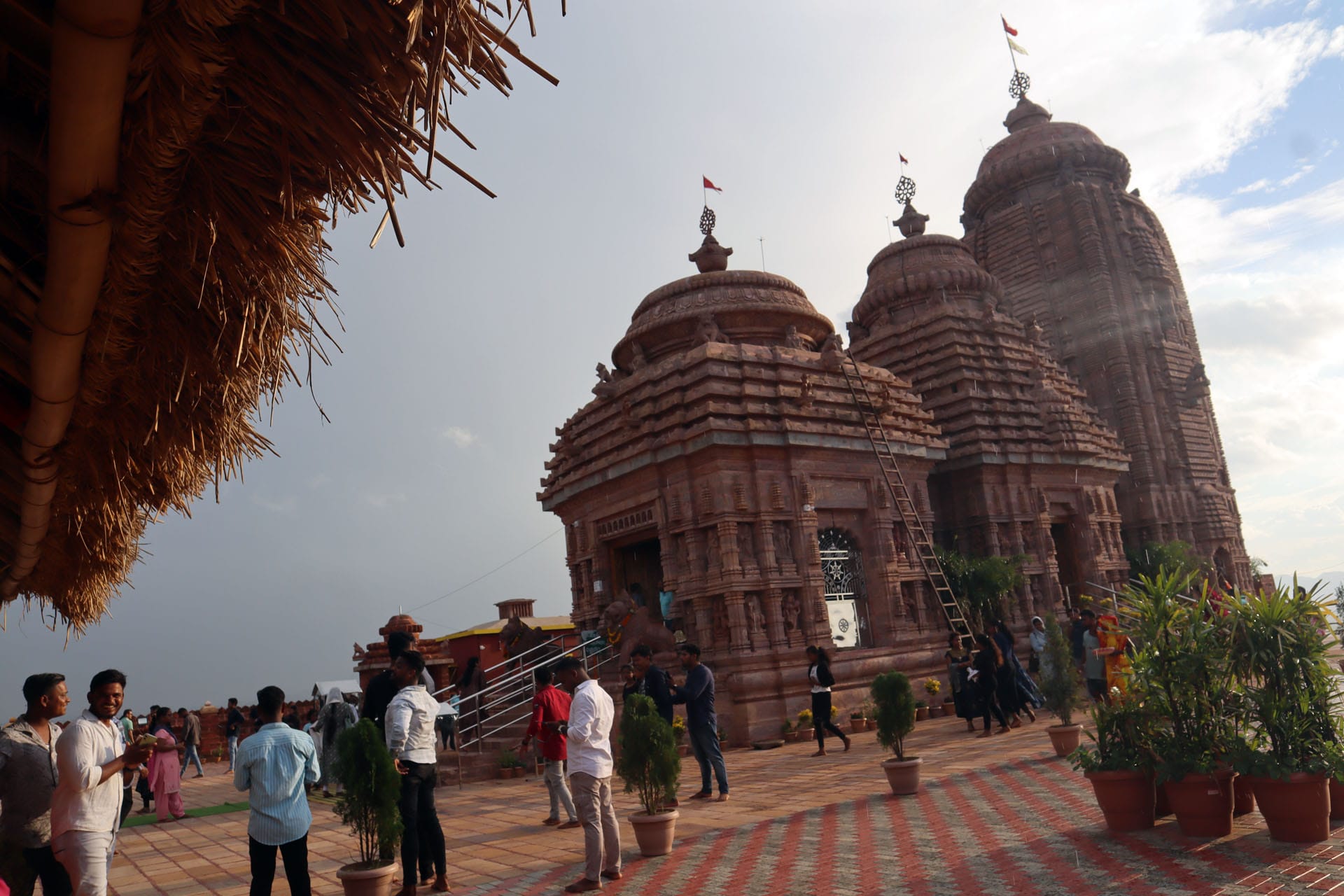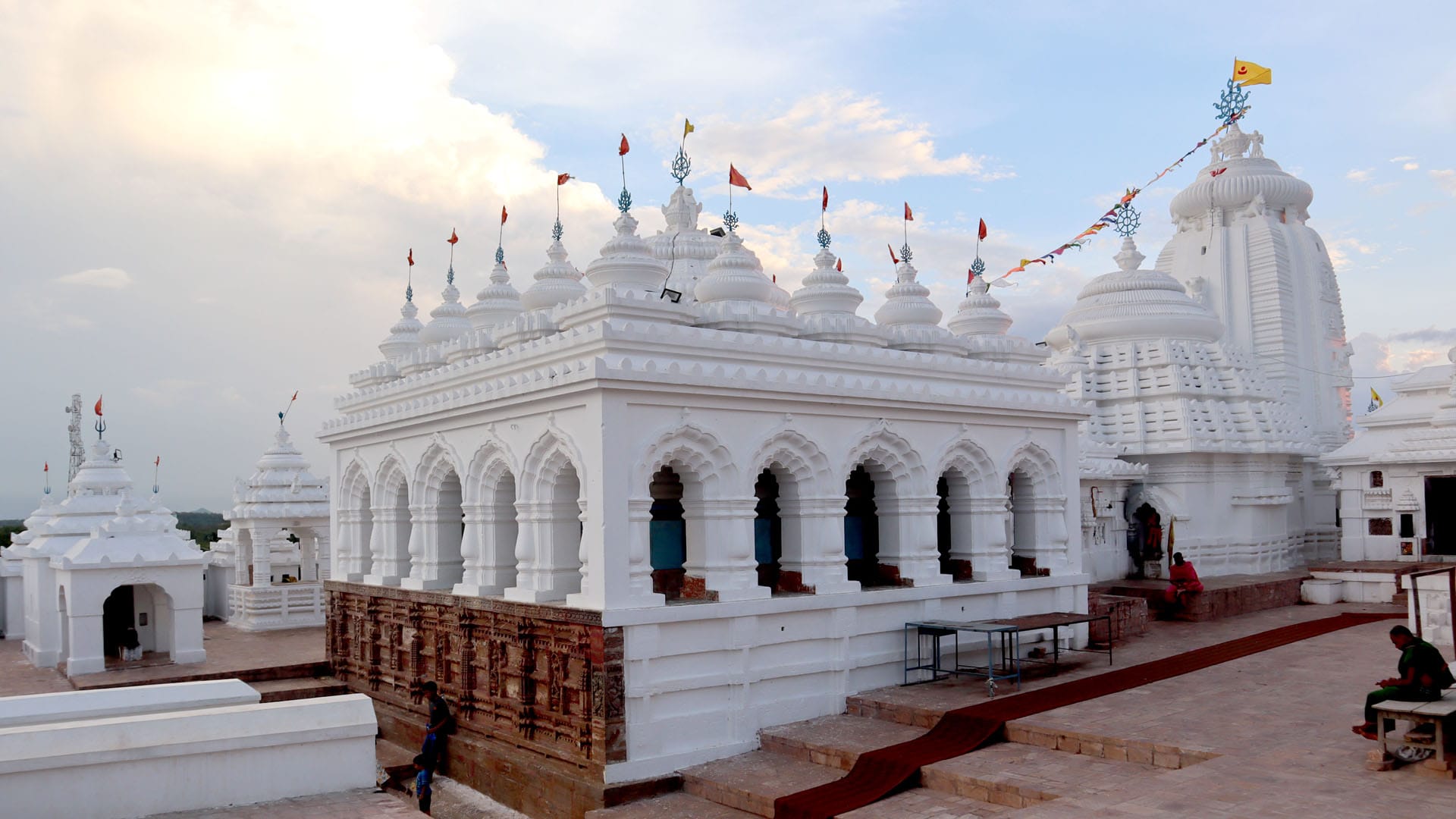
The Rajarani Temple, one of Odisha’s most captivating architectural gems, is situated amid the colorful metropolis of Bhubaneswar. This magnificent 11th-century monument, which is credited to the Somavamsi dynasty’s Indraratha, embodies the artistic genius and intense spiritual devotion of ancient Kalinga. Despite being closely linked to Lord Shiva, the temple is now equally treasured as the site of the renowned Rajarani Music Festival, which has come to represent Odisha’s creative energy.
Visitors are drawn into a realm where tradition, dedication, and creativity coexist harmoniously through the temple’s artistic fusion of masonry, mythological motifs, and musical legacy.
History of the Rajarani Temple
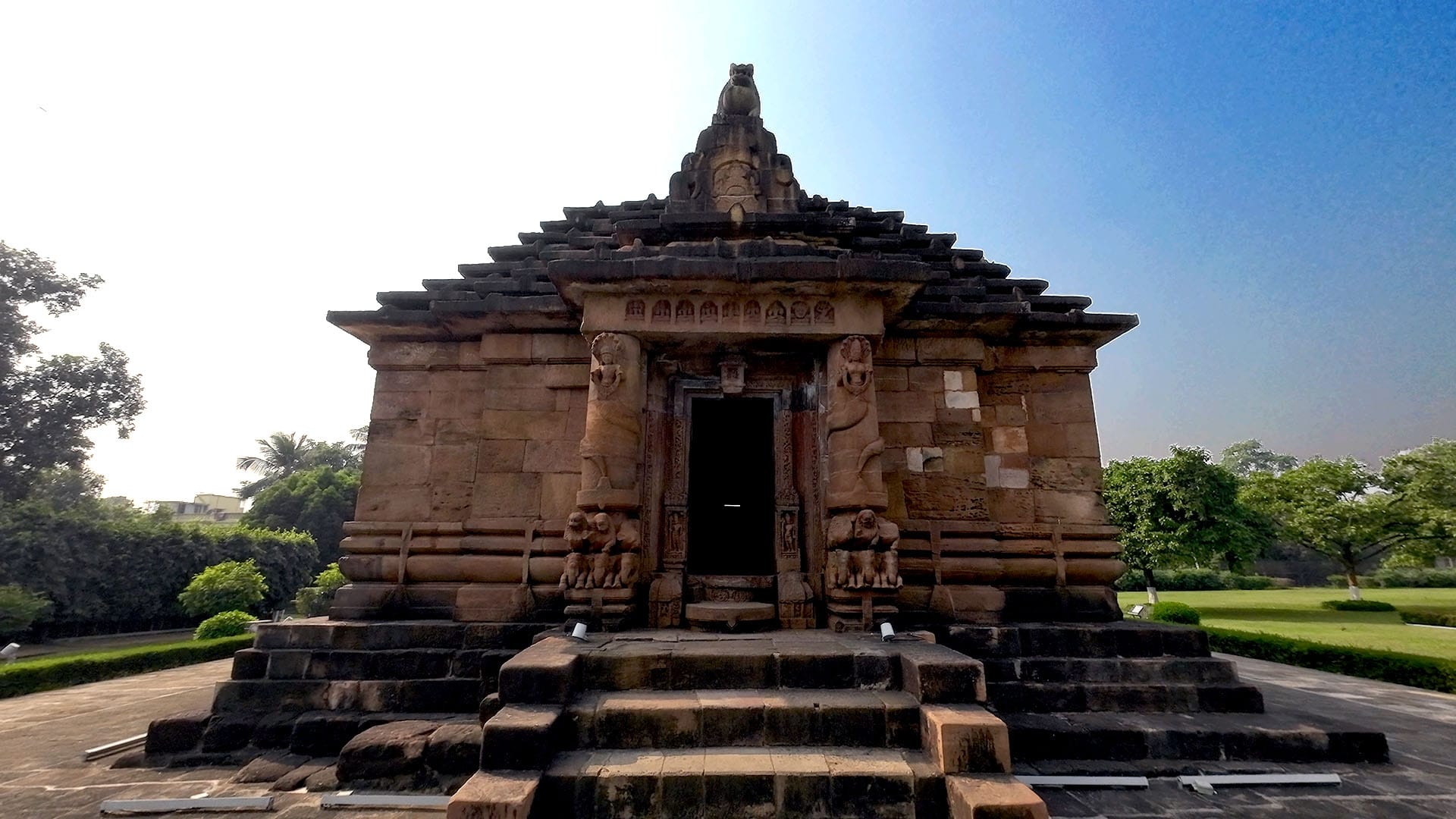
In earlier centuries, this historic shrine was known as the Indreswara Temple, a name that directly linked it to the worship of Shiva. Over time, the temple gradually came to be called the Rajarani Temple—a title inspired not by its deity, but by the beautiful reddish-gold and pale yellow sandstone used to construct it. This distinctive stone, locally referred to as Rajarani, lends the monument its unmistakable color palette and timeless glow.
Like many ancient temples of Odisha, the Rajarani Temple endured long periods of neglect. However, in 1903, the Archaeological Survey of India initiated extensive restoration work to safeguard its structural and artistic legacy. Their conservation efforts revived the temple’s original grandeur, allowing scholars and visitors to appreciate the architectural techniques that shaped early medieval Odisha.
Historical interpretations suggest that the temple was deeply rooted in Shaiva traditions, though no active worship is performed here today. Its myths, carvings, and symbolic elements continue to highlight the region’s ancient religious practices, particularly those connected to the evolution of the Jagannath culture.
Rajarani Music Festival – A Cultural Celebration
Each year, during January and February, the quiet precincts of the Rajarani Temple transform into a spectacular cultural arena as the Rajarani Music Festival unfolds. Established in 2003 by the Odisha Tourism Department in collaboration with the Bhubaneswar Music Circle, this three-day festival honors the depth and diversity of Indian classical music.
The festival is a soulful blend of musical traditions such as:
- Hindustani classical performances that bring emotional depth and melodic richness
- Odissi vocal and instrumental presentations that highlight Odisha’s own classical heritage
- Carnatic renditions known for their intricate rhythmic frameworks
Musicians from across India grace the stage, transforming the temple grounds into a spiritual and artistic haven. The natural acoustics of the open temple lawn, coupled with the soft glow of evening lights against the sandstone walls, create an atmosphere that feels almost mystical. For art lovers, attending the festival is not just entertainment—it is an immersion into India’s living cultural heritage.
Architecture – A Marvel of Kalinga Craftsmanship
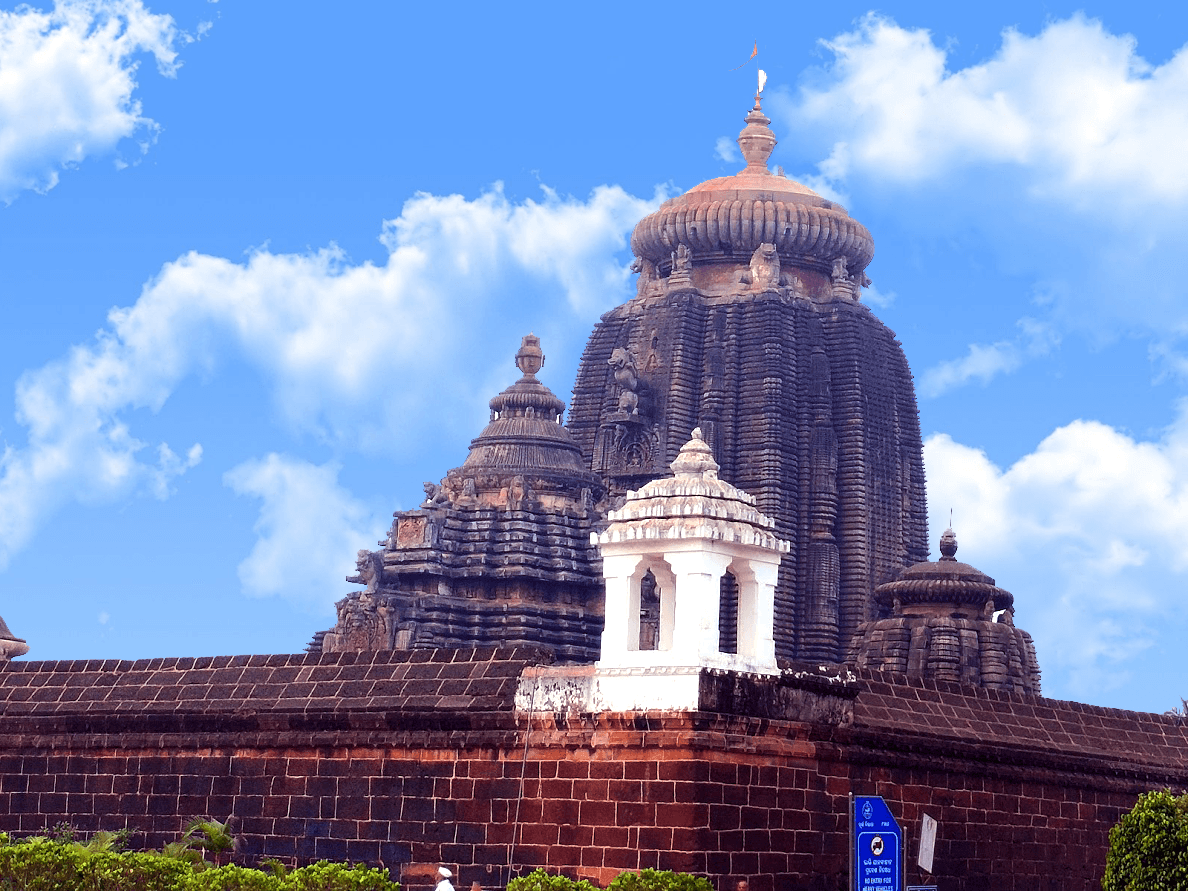
The Rajarani Temple stands on a carefully crafted three-layered platform, embodying the signature features of the Pancharatha style of Kalinga architecture. The temple is divided into two principal structures:
1. Jagamohana (Assembly Hall)
This section features a beautifully tiered pyramidal roof, designed with horizontal steps that rise gracefully toward the sky. The arches, pillars, and edges display fine detailing, demonstrating the exceptional stone-carving skills of the craftsmen of that era.
2. Vimana (Sanctum Tower)
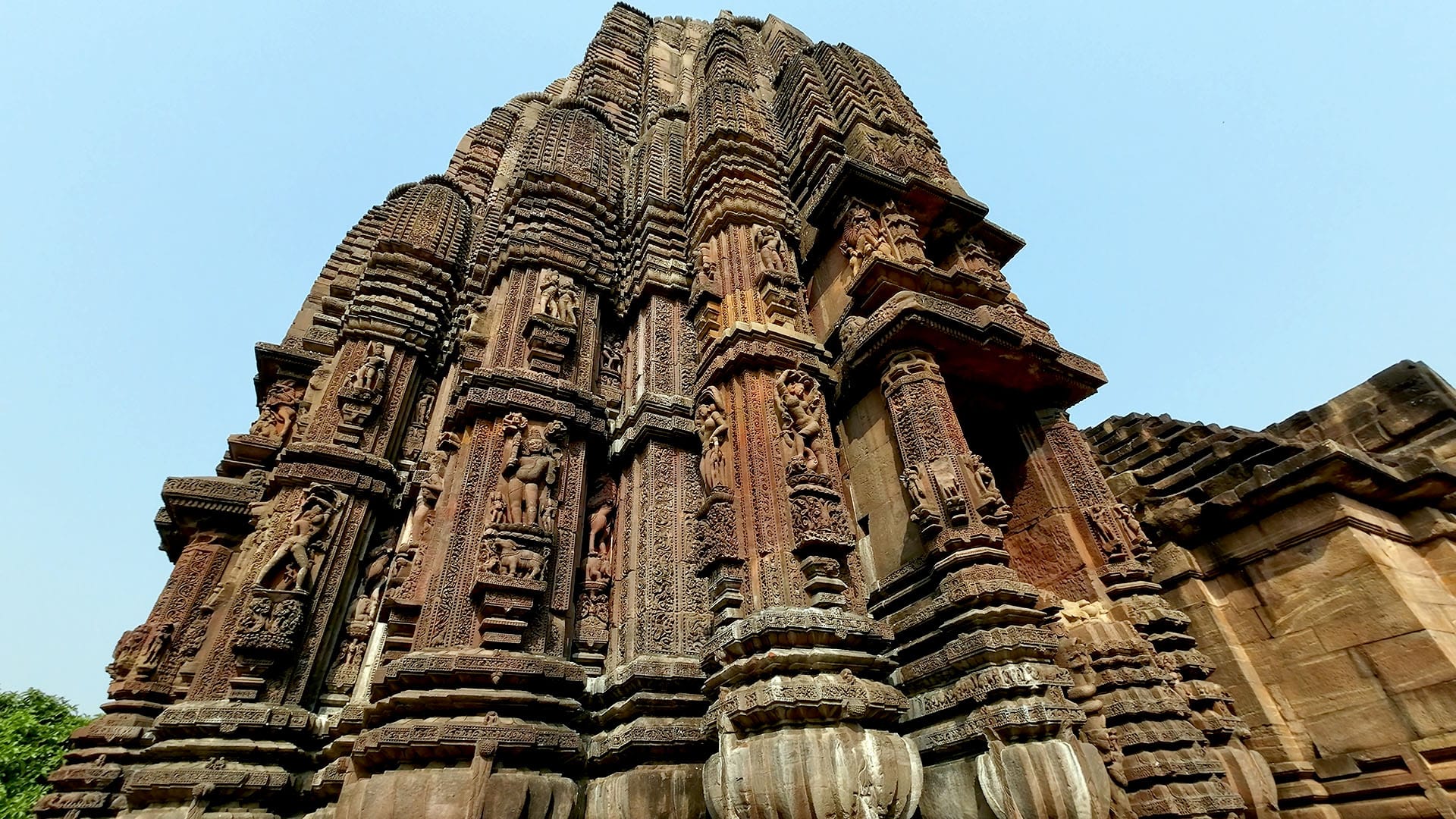
The Vimana features a curvilinear spire known as the Rekha Deula, rising to an impressive 17.9 meters. This soaring structure is richly decorated with miniature spires, sculpted projections, and symbolic motifs.
As visitors approach the temple, they are greeted by a dramatic lion carving, signifying strength and protection. Graceful figures of Nagas and Nagins flank the entryway, symbolizing fertility, guardianship, and royal power—core themes in Kalinga temple symbolism.
Intricate Sculptural Narratives
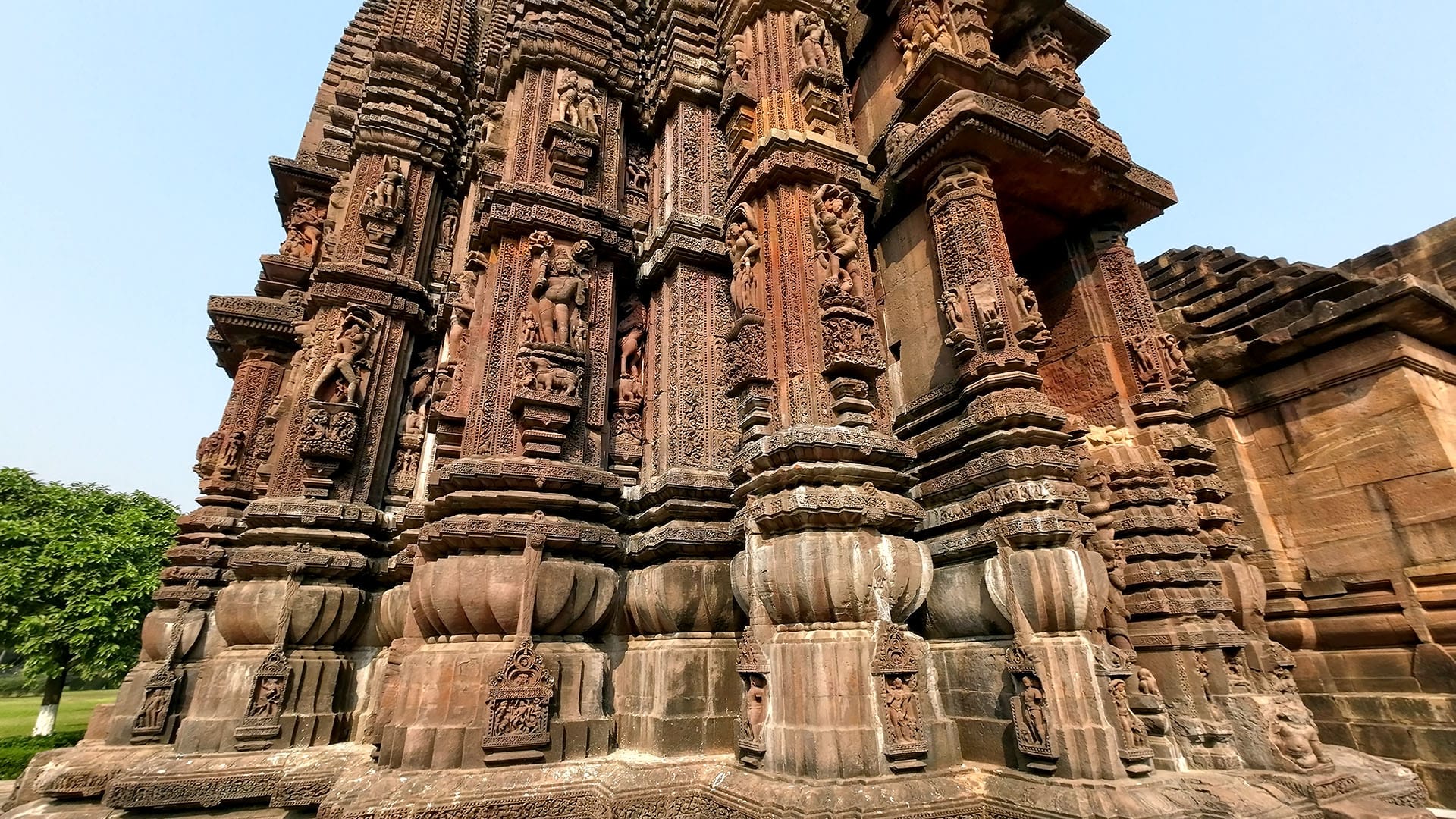
One of the most captivating aspects of the Rajarani Temple lies in its beautifully detailed carvings. The exterior walls are adorned with expressive depictions of the intimate and divine bond between Lord Shiva and Goddess Parvati. These carvings, though delicate, breathe life into the stone surfaces, illustrating the emotional and spiritual essence of the divine couple.
Other significant carvings include:
- Navagraha figures etched above the entrance door
- A detailed representation of Lakulisa, the revered teacher associated with early Shaiva philosophy
- Doorkeepers Chanda and Prachanda, standing vigil on either side of the entrance, embodying both ferocity and loyalty
These sculptures reflect not only artistic beauty but also profound religious symbolism, offering insights into Odisha’s medieval spirituality.
Guardians of the Temple
Around the base of the monument, eight protruding sculptures represent the Ashta Dikpalas, or guardians of the eight directions. These include:
- Kubera (North)
- Yama (South)
- Vayu (Northwest)
- Indra (East)
- Agni (Southeast)
- Nirriti (Southwest)
- Varuna (West)
- Ishana (Northeast)
Their presence symbolizes cosmic protection, reinforcing the temple’s spiritual sanctity and architectural completeness.
A Living Symbol of Odisha’s Legacy
The Rajarani Temple is more than an archaeological monument—it is a living testament to Odisha’s artistic brilliance, historical depth, and spiritual devotion. Whether you visit to appreciate its architecture, to explore its cultural stories, or to immerse yourself in the melodies of the Rajarani Music Festival, the experience is profoundly enriching.
To explore more about Odisha’s historic destinations and cultural festivals, you can visit the official Odisha Tourism website:
👉 https://odishatourism.gov.in
As the sun casts golden hues across its sandstone walls, the Rajarani Temple continues to whisper tales of love, faith, and artistic mastery—stories that have endured for nearly a thousand years.