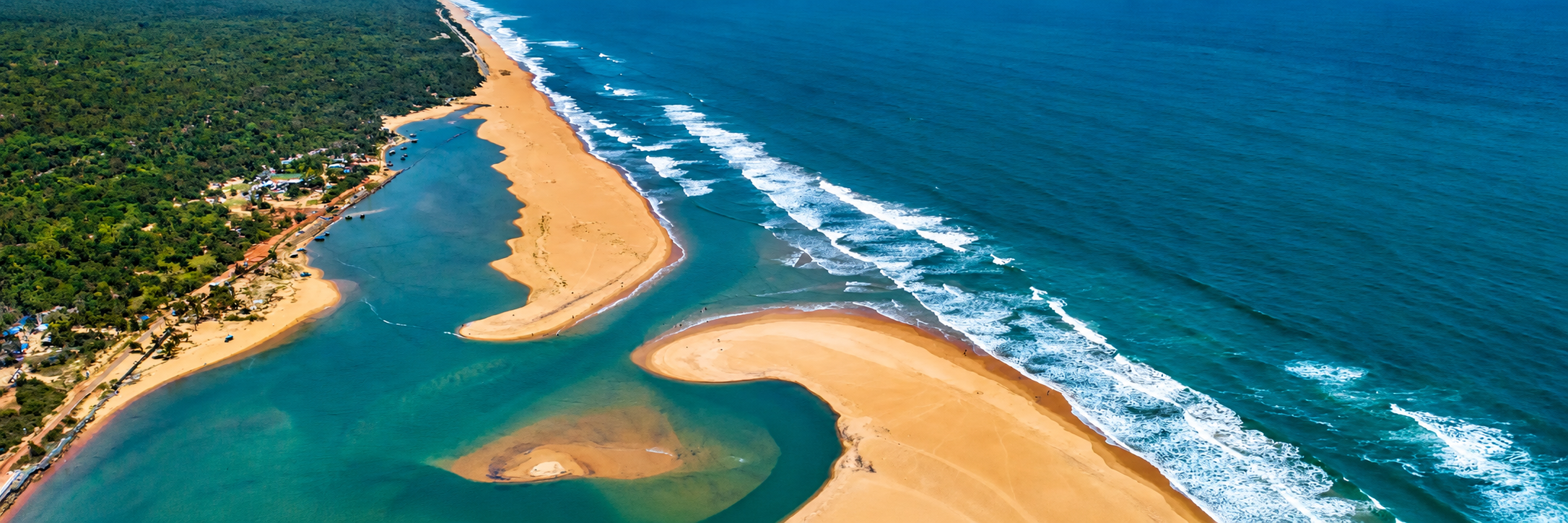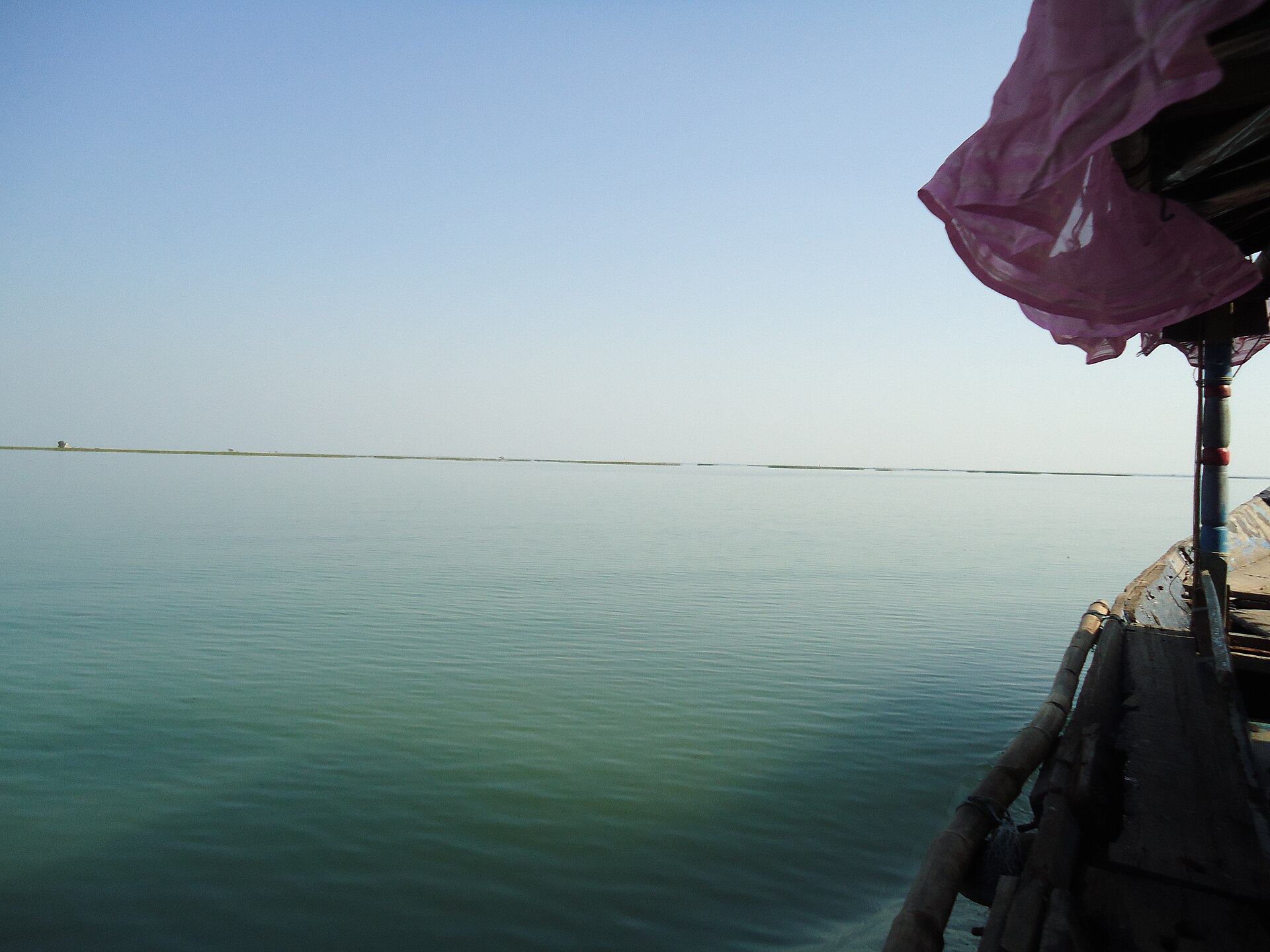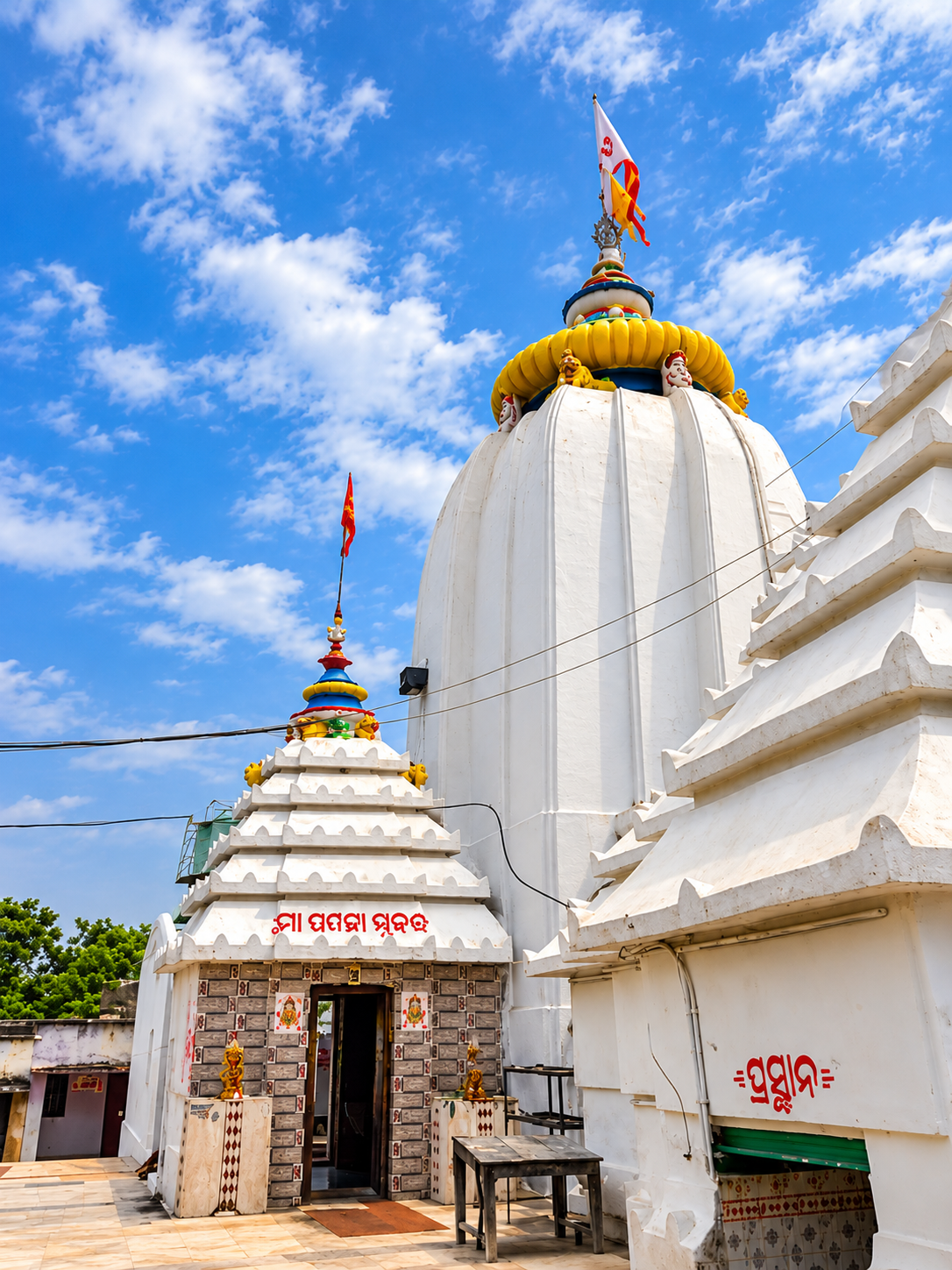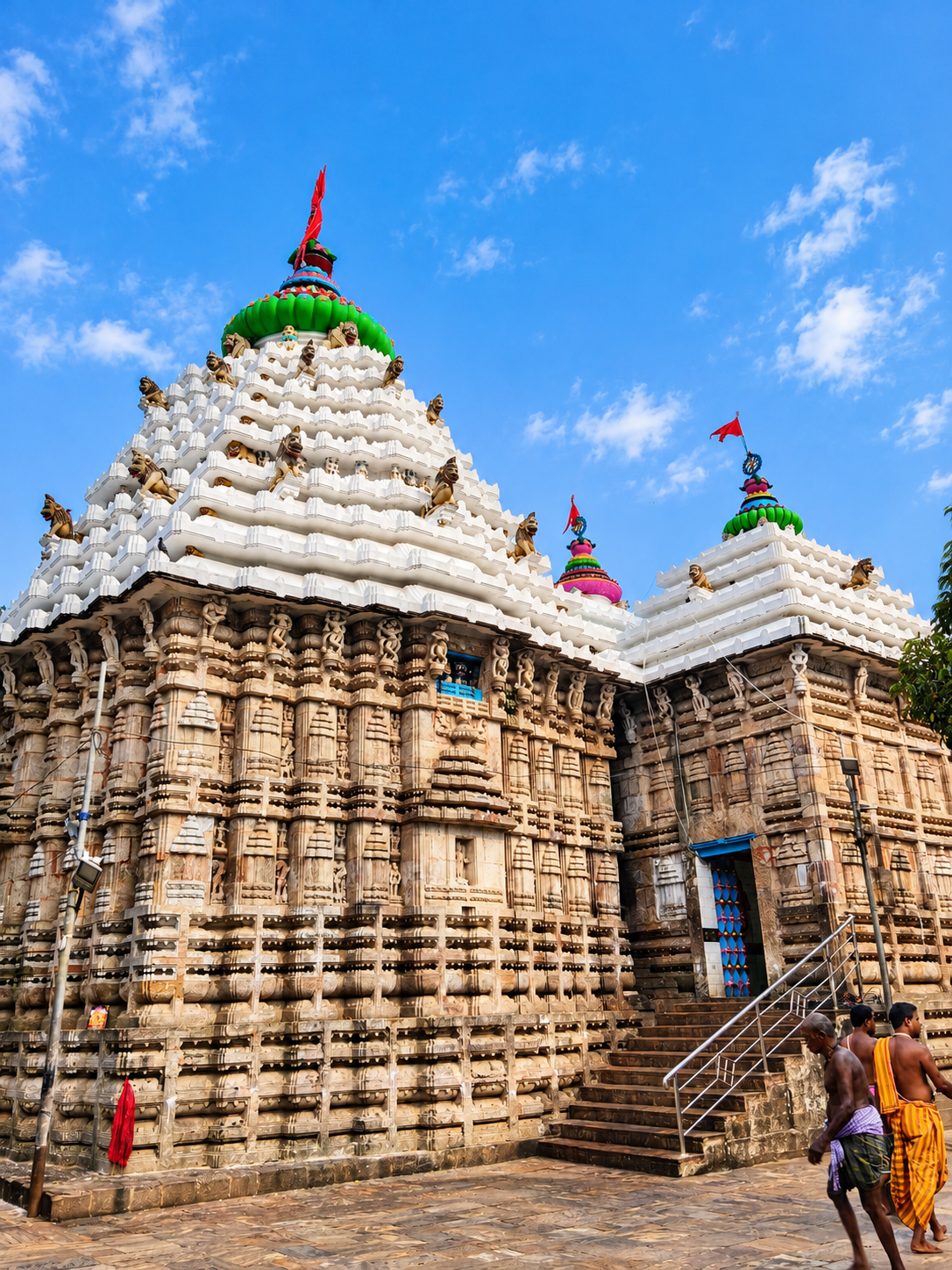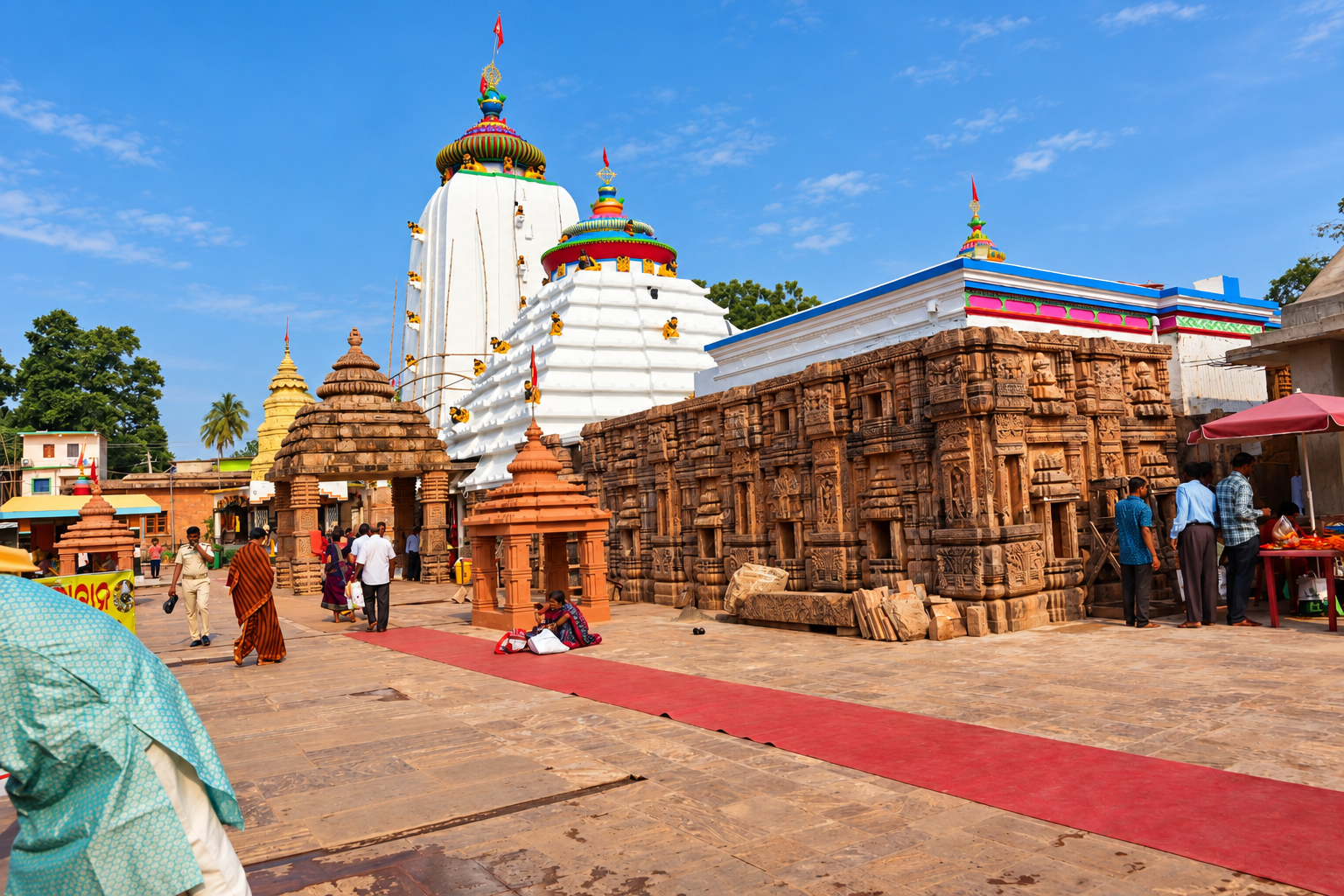
Beleswar beach and the Beleswar Shiva temple beside it make a peaceful detour off the Puri–Konark Marine Drive in Puri district. Here a sand-dune shrine, a quiet shoreline and a story from the Ramayana come together, just a short drive from the crowds of Puri town.
The temple, locally called Beleswarpitha, is in Bada Gaon village of Gop block, about 17 km from Puri. You turn off the Marine Drive at Balighai Chhak and drive roughly 4 km to reach it, with the sea a little further beyond.
Legend of the Beleswar Shiva Temple
Local belief holds that Lord Rama established a Shiva lingam here and worshipped it with bela (bael) leaves before setting out for Lanka to fight Ravana. The name Beleswar – the Lord worshipped with bela leaves – comes from this story.
The temple stands on a sand dune, which gives it a striking setting between the coastal greenery and the sea. It is an active place of worship, and devotees from nearby villages visit throughout the year.
For many pilgrims, Beleswar is part of a wider sacred landscape around Puri, where shrines to Shiva, Shakti and Vishnu are scattered along the coast. Stopping here gives a glimpse of village-level worship that feels very different from the grand rituals of the Jagannath temple. The Puri district administration also notes that the shrine’s closeness to the sea gives it real potential as a tourist spot.
Why Visit Beleswar Beach
Puri’s main beach is lively, but many travellers look for a quieter stretch of sand. Beleswar beach answers that wish – it is open, calm and far less crowded.
- Quiet shoreline: long walks with only the sound of waves and the occasional fishing boat.
- Sunrise views: the east-facing coast makes early mornings especially beautiful.
- Temple and sea together: a rare chance to combine a spiritual visit with time on the beach.
- Green surroundings: the approach passes through coastal vegetation and casuarina plantations typical of the Marine Drive belt.
- Easy access: just a few kilometres off the main Puri–Konark road.
Things to Do at Beleswar Beach
- Darshan at Beleswarpitha: visit the Shiva lingam on the dune and offer bela leaves, as the legend suggests.
- Beach walks: stroll along the sand, collect shells and watch local fishermen bring in their catch.
- Photography: sunrise, the dune-top temple and the empty shoreline make great frames.
- Picnic: carry a packed lunch and enjoy a relaxed few hours away from the crowds.
- Combine with Konark: pair a visit with the Sun Temple and other Marine Drive beaches in a single day.
Festivals at Beleswar
Maha Shivaratri is the biggest occasion at the temple, when thousands of devotees gather to worship Lord Shiva. If you visit then, expect crowds, long queues and a festive atmosphere.
Shravan (Sravana) Mondays and other Shaiva occasions also draw local devotees. Exact festival dates follow the Odia calendar, so check locally before you travel.
How to Reach Beleswar Beach
- By air: Biju Patnaik International Airport, Bhubaneswar, is the nearest airport. From there, drive towards Puri and take the Marine Drive.
- By rail: Puri railway station is the nearest, about 17 km from the temple.
- By road: take the Puri–Konark Marine Drive and turn off at Balighai Chhak; Beleswar is about 4 km from there. Hiring a taxi or auto from Puri is the easiest option, as public transport to the village is limited.
The last stretch from Balighai Chhak is a smaller village road, so drive slowly and watch for cattle, cyclists and children. If you are using a ride-hailing cab from Puri, consider booking a return trip, since finding a vehicle back from the village can take time.
Many visitors combine it with a trip to the Puri Jagannath Temple in the morning and the Marine Drive beaches later in the day.
Best Time to Visit, Timings and Entry
October to March is the best time to visit Beleswar beach, with mild temperatures and calmer seas. Mornings are ideal for sunrise and comfortable walking.
Summer afternoons are hot and the sand gets very warm, so plan early or late visits from April to June. During the monsoon the sea becomes rough – enjoy the view from a safe distance.
There is no entry fee for the beach or the temple. The beach is best visited during daylight hours. Temple darshan timings are not officially published; it is usually open from morning to evening, but check locally, especially on festival days.
Travel Tips for Beleswar Beach
- Facilities are basic – carry drinking water, snacks and sunscreen.
- There are no regular lifeguards on this quiet stretch, so avoid swimming in rough water.
- Keep the dunes and beach clean; carry your waste back with you.
- Wear modest clothing for the temple and leave footwear outside.
- Arrive early on Maha Shivaratri; parking and access roads fill up quickly.
- Download offline maps, as mobile signal can be weaker away from the Marine Drive.
Nearby Places
Beleswar beach is well placed for exploring the coast of Puri district.
- Puri Jagannath Temple: about 17 km away, one of the Char Dham pilgrimages.
- Ramachandi Beach and Temple: the Kushabhadra river mouth, about 7 km before Konark on the Marine Drive.
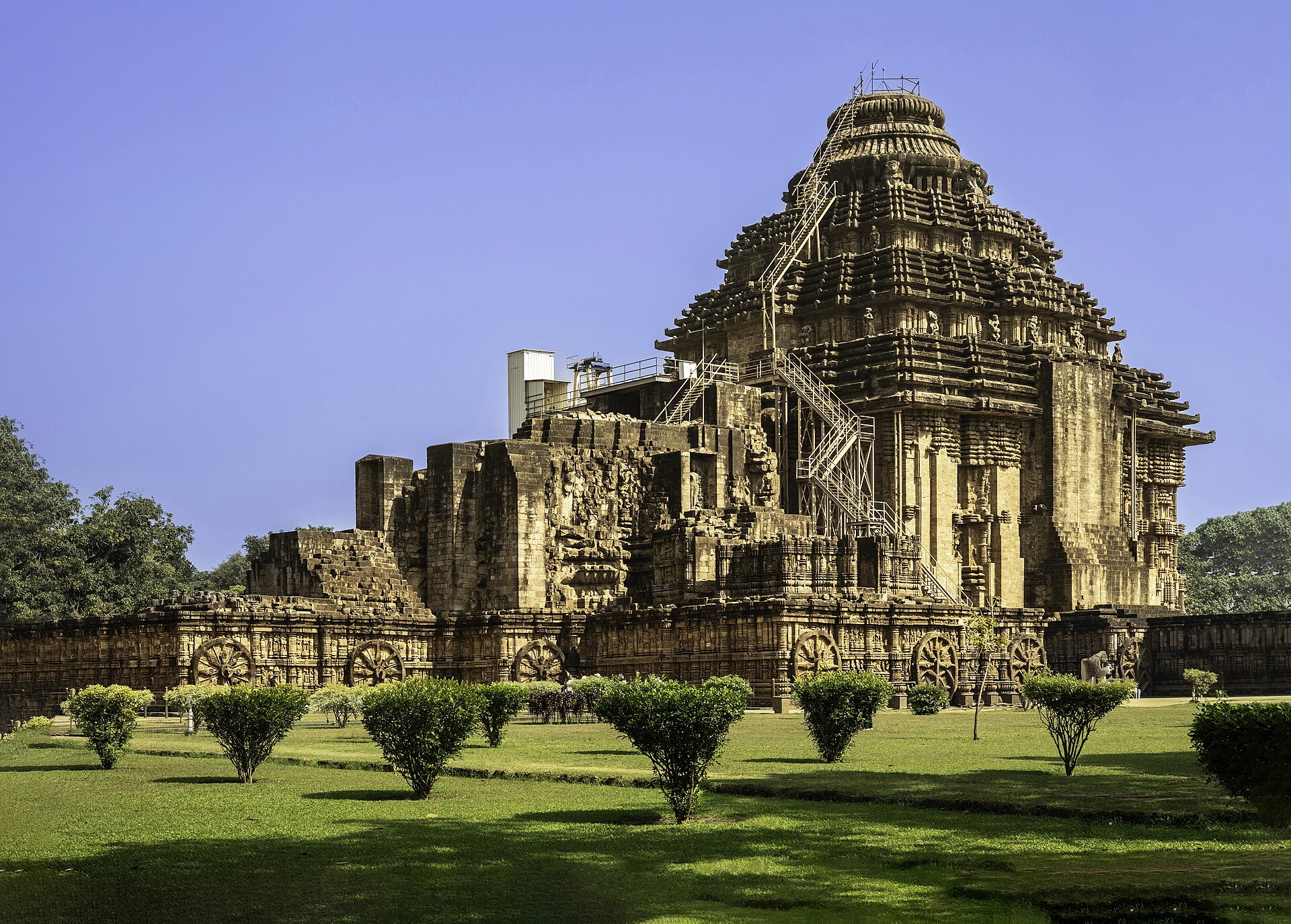
- Konark Sun Temple: the UNESCO World Heritage Sun Temple, further along the Marine Drive.
- Chandrabhaga Beach: the popular beach near Konark.
For official destination information, see Odisha Tourism.
Beleswar Beach: Frequently Asked Questions
Where is Beleswar beach?
Beleswar is in Bada Gaon village, Gop block, Puri district, Odisha. It is about 17 km from Puri and about 4 km off the Puri–Konark Marine Drive from Balighai Chhak.
What is the story behind the Beleswar temple?
Local tradition says Lord Rama installed a Shiva lingam here and worshipped it with bela leaves before going to Lanka, which is how the shrine got the name Beleswar.
Is Beleswar beach good for swimming?
It is better for walks and sunrise views than swimming. The sea can be rough and the stretch has no regular lifeguards, so paddle only in calm conditions.
When is the best time to visit Beleswar beach?
October to March offers the most pleasant weather. Visit during Maha Shivaratri if you want to see the temple at its most festive.