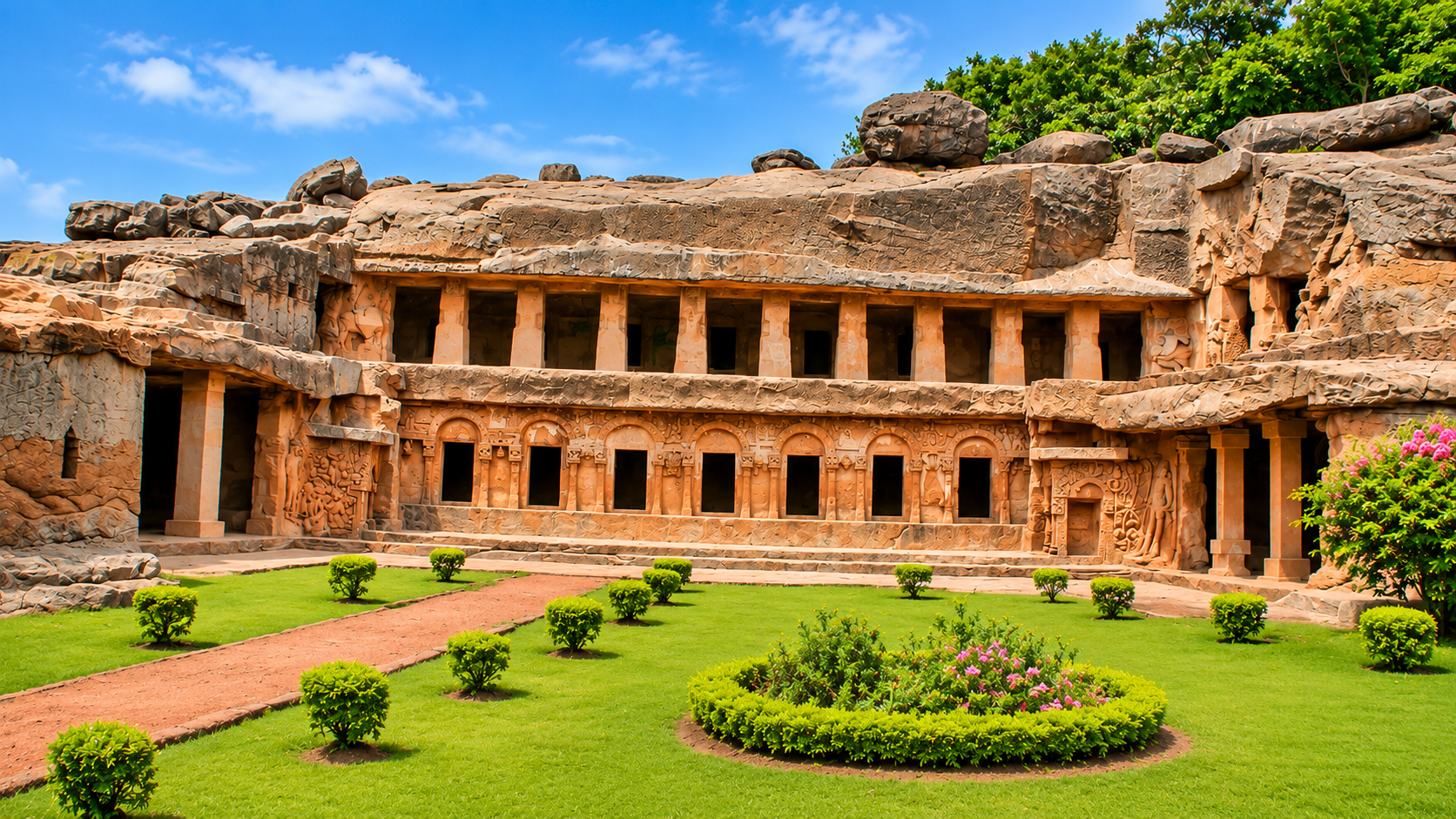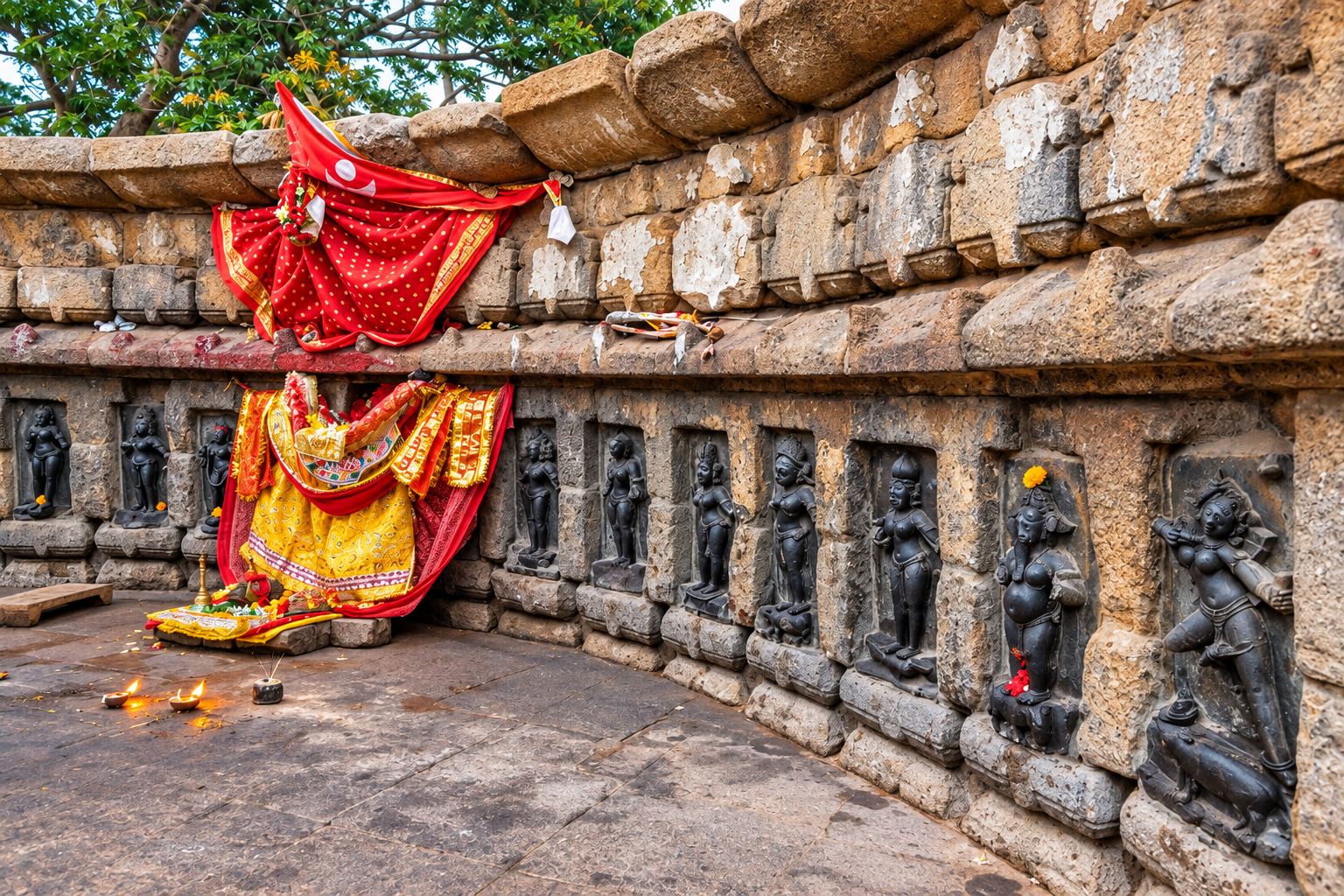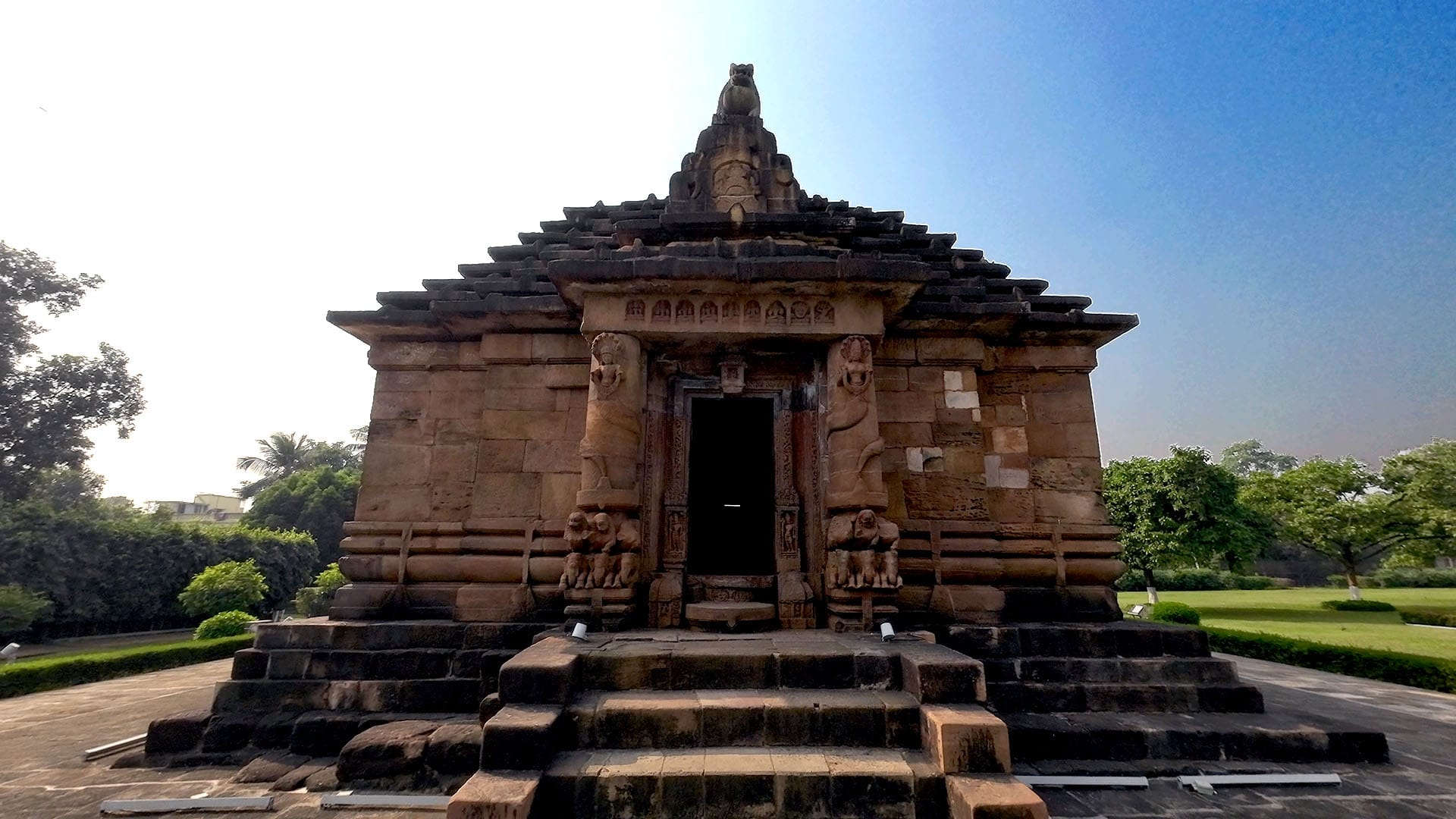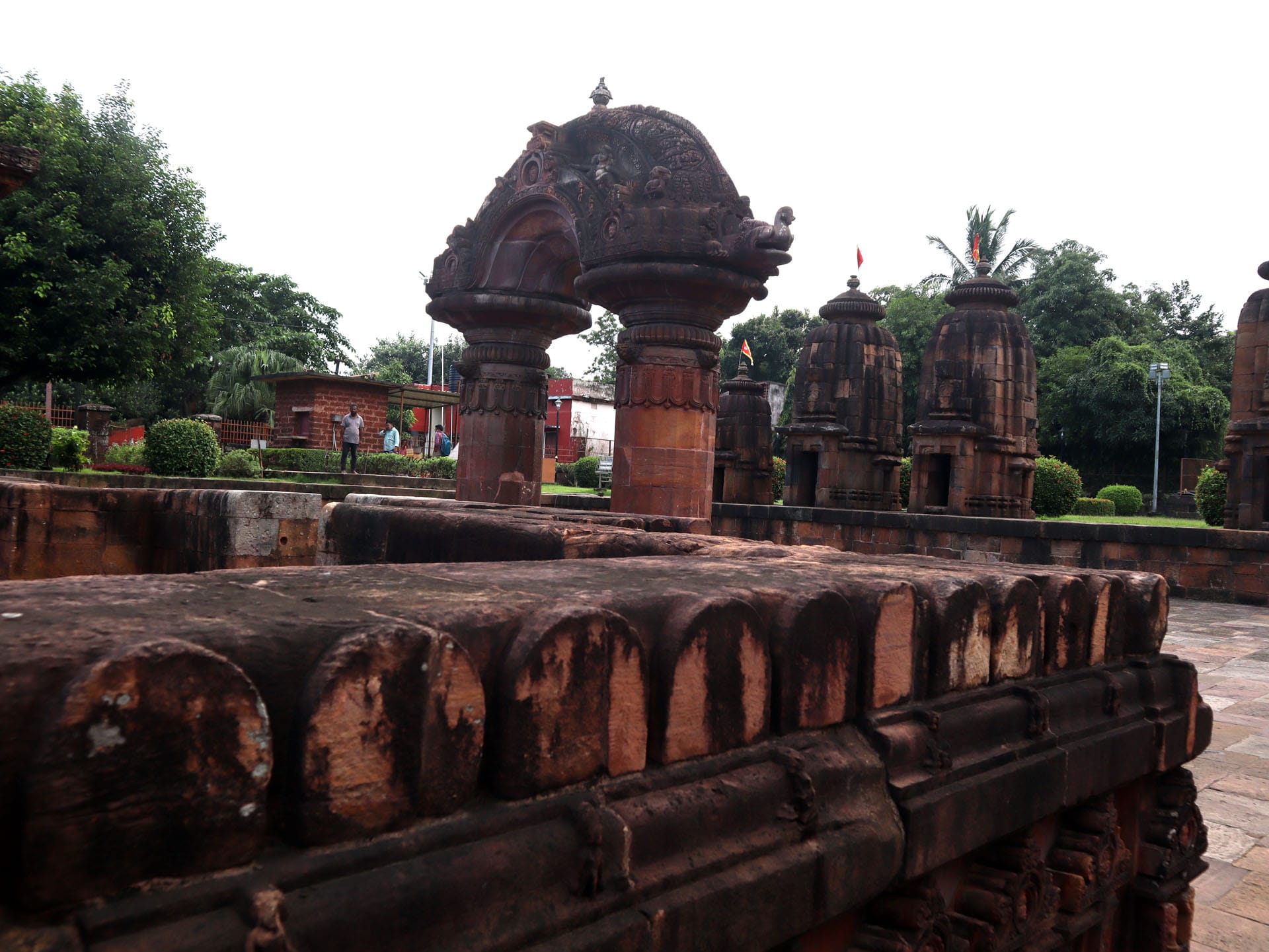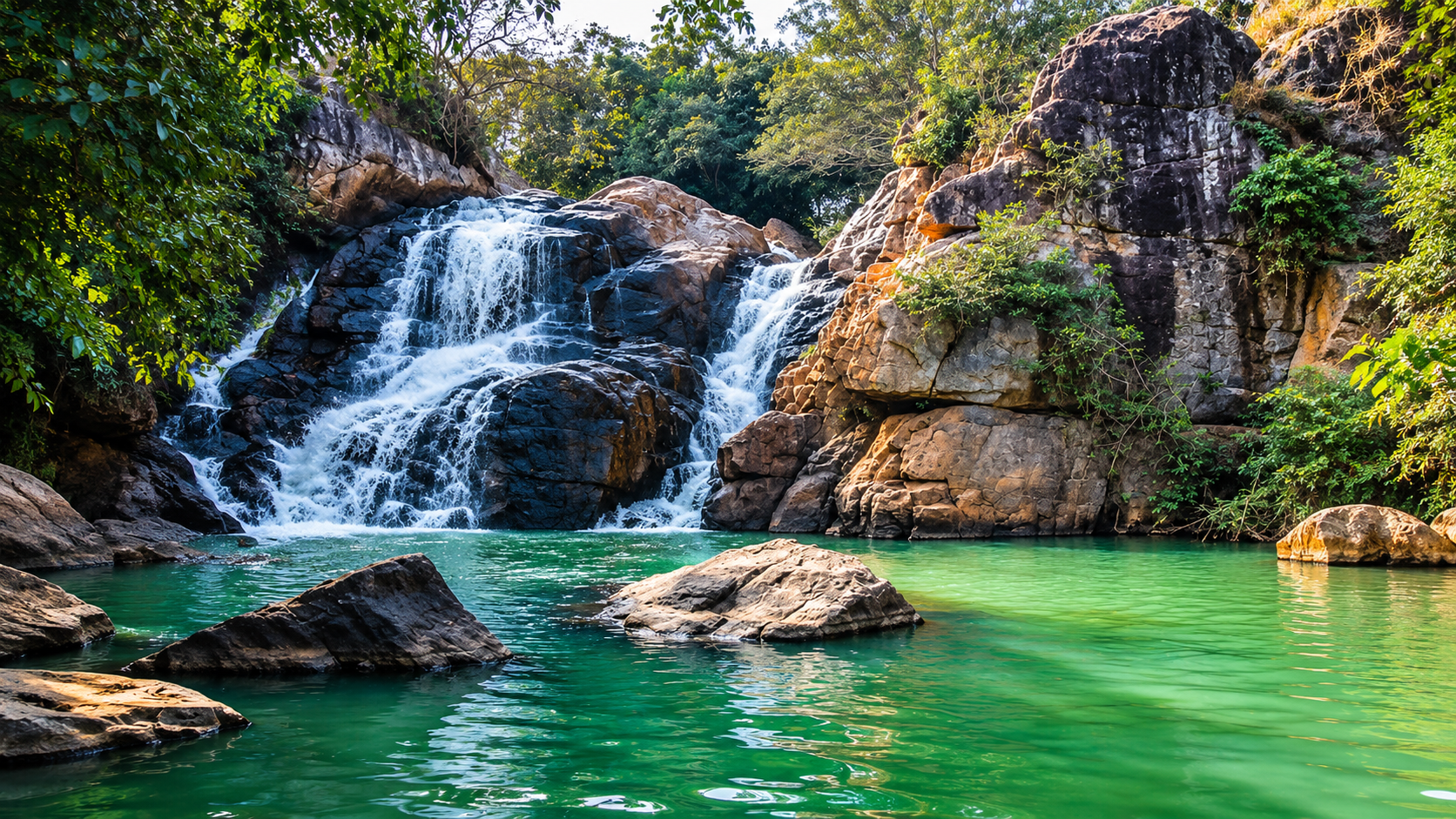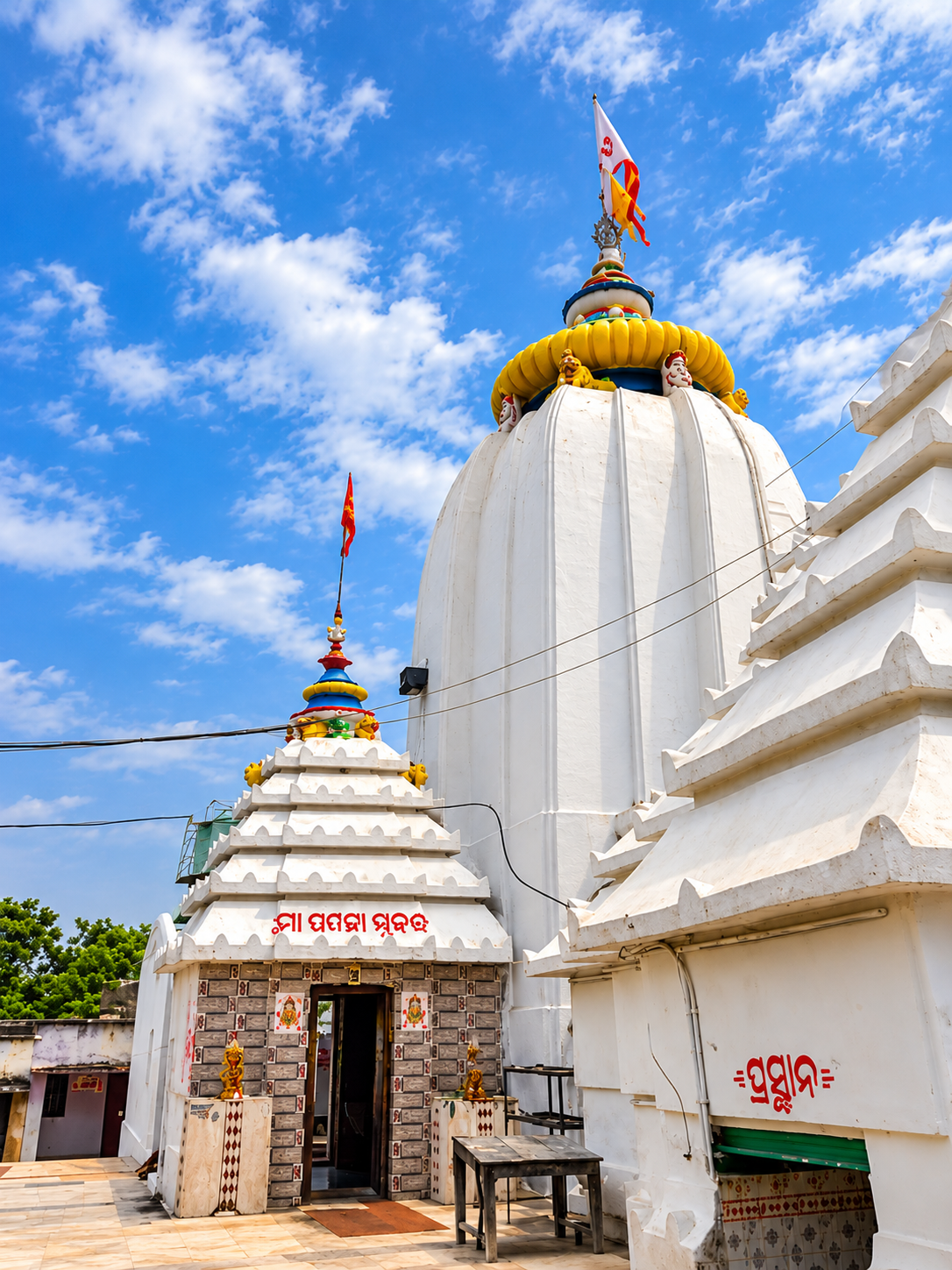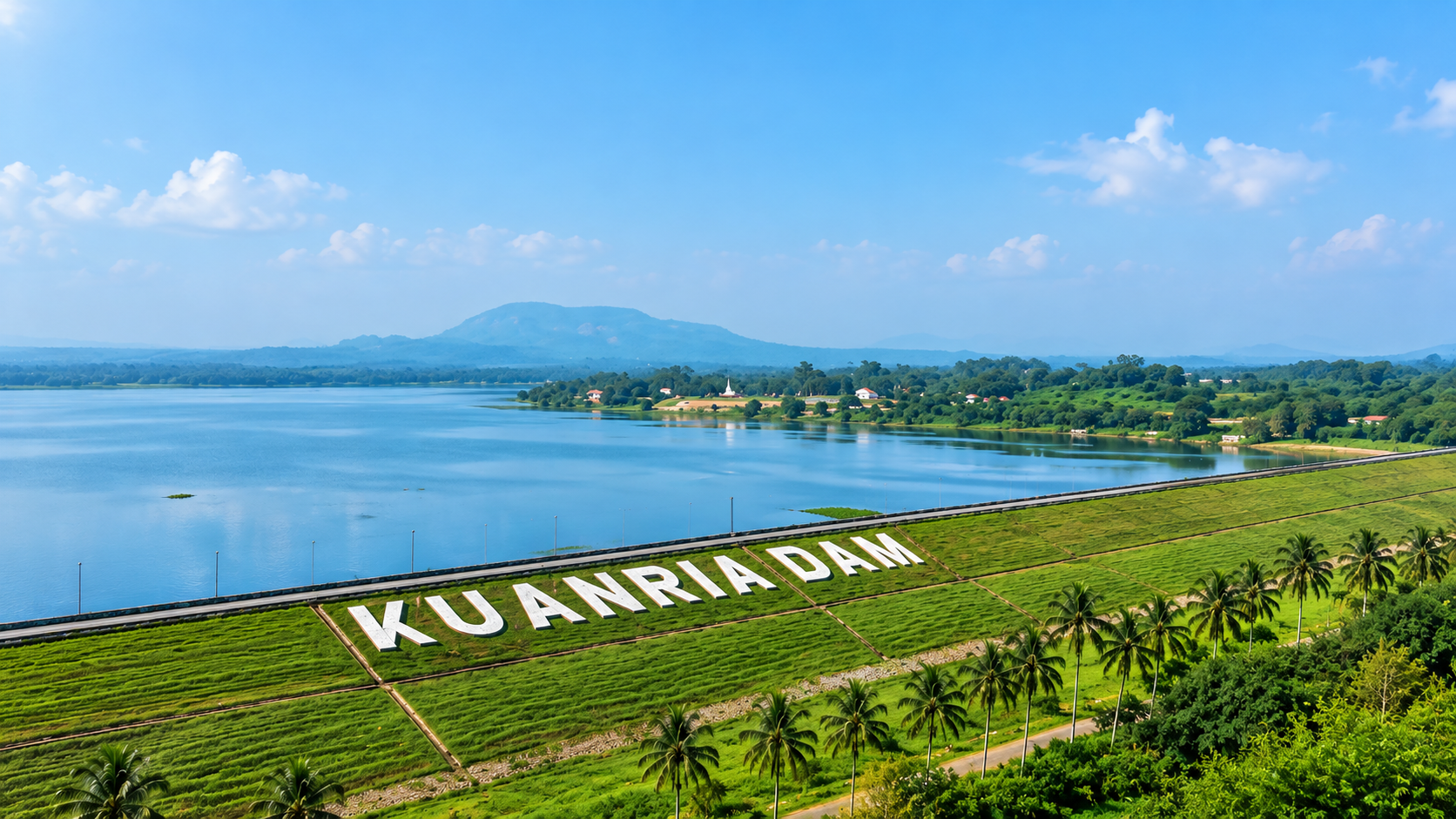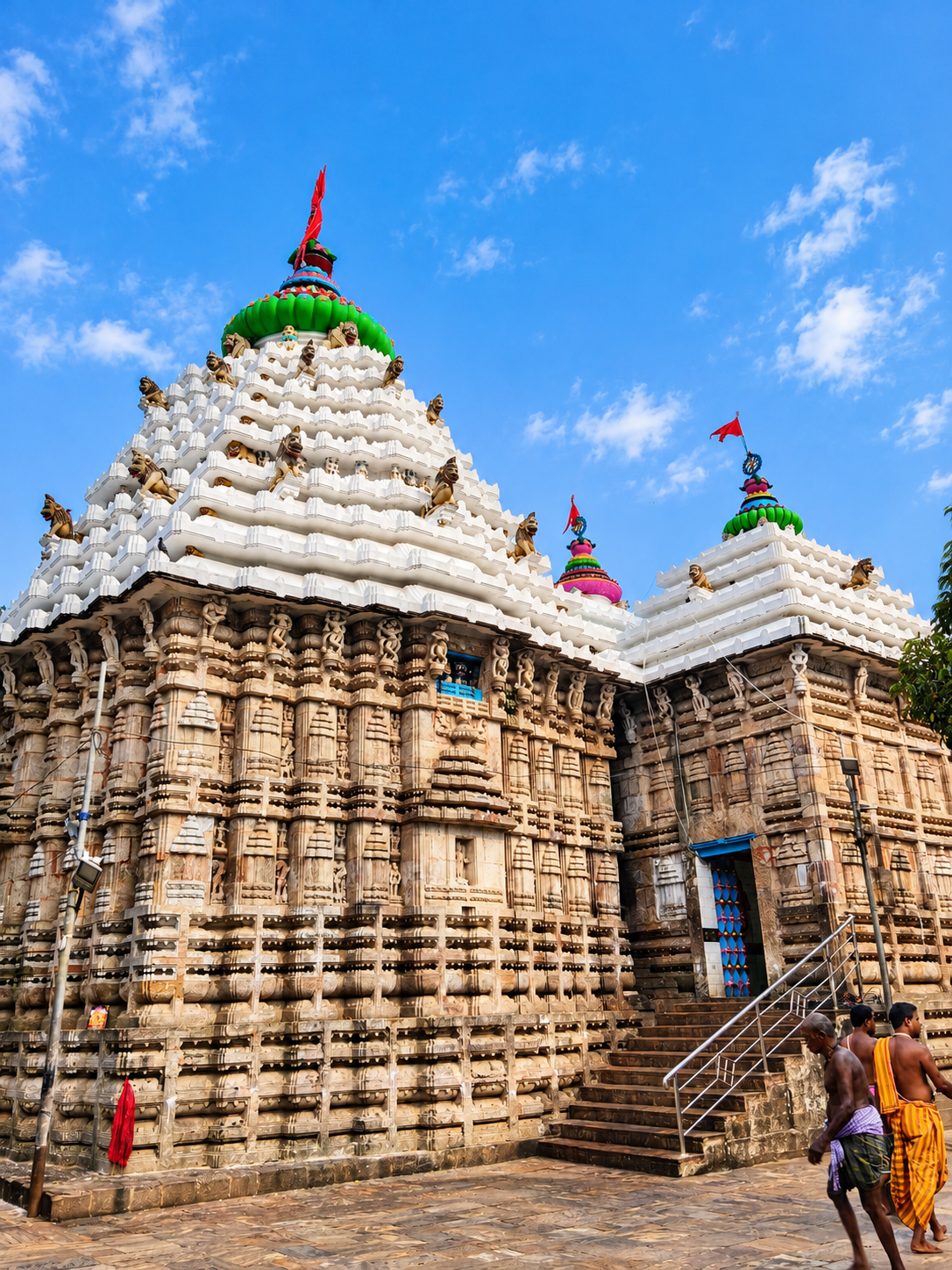
The Atri Hot Spring is a natural sulphur spring in Atri village of Khordha district, set right beside the Hatakeswar (Hattakeswar) Shiva temple. Warm water bubbles up from the ground here all year round, and for generations pilgrims and families have come to take a dip, pray to Lord Shiva and spend a relaxed day in the countryside.
Atri is not a resort, and that is part of its charm. It is a simple village shrine with bathing tanks, a temple courtyard and a small garden, making it an easy and inexpensive day trip from Bhubaneswar or Khordha town.
Atri Hot Spring at a Glance
| Location | Atri village, Khordha district |
|---|---|
| Known for | Perennial sulphur hot spring and Hatakeswar Shiva temple |
| Water temperature | About 57 °C at the source |
| From Bhubaneswar | About 40–45 km |
| From Khordha town | About 15 km |
| Best time | November to February; Makar Sankranti is the busiest day |
About the Atri Hot Spring
The spring is perennial, which means it flows throughout the year. According to the CPREEC eco-heritage documentation, the water temperature is about 57 °C at the source. The water has a noticeable sulphur smell, and local media describe it as sulphur-rich thermal water.
Spring water is channelled into a reservoir and bathing tanks managed by the authorities, so visitors bathe in water that has cooled to a comfortable temperature rather than at the scalding source. Many people believe the sulphur water helps with skin ailments and joint pain. These are traditional beliefs, so treat the dip as relaxation rather than medical treatment.
Hatakeswar Temple and Legends
The spring’s spiritual heart is the temple of Lord Hatakeswar Mahadev, a form of Shiva. Devotees usually offer prayers at the temple first and then take a holy dip in the spring water.
Atri is traditionally linked with the sage Atri, after whom the village is said to be named. A well-known local custom takes place on Makar Sankranti: betel nuts are thrown into one of the ponds near the spring, and women hoping to conceive try to retrieve them. Those who find one eat it, believing it brings the blessing of a child. The CPREEC record notes this belief has been followed by villagers for generations.
Things to Do at the Atri Hot Spring
- Take a warm dip: Bathe in the public bathing tanks; winter mornings are especially pleasant.
- Visit the temple: Join the evening aarti or simply sit quietly in the temple courtyard.
- Picnic and relax: Families often spend a few hours here, and children enjoy the adjoining garden.
- Attend the Makar Sankranti fair: In January, Makar Sankranti draws large crowds of devotees and a lively fair to the temple.
- Explore village crafts: The OrissaPOST notes that the Karadagadia artisans’ village is only about 3 km away.
How to Reach the Atri Hot Spring
- By air: Biju Patnaik International Airport, Bhubaneswar, is the nearest airport.
- By rail: The nearest major railhead is Khurda Road Junction; Bhubaneswar station is also convenient.
- By road: Atri lies off the Khordha-Nayagarh road, about 15 km from Khordha town and roughly 40 to 45 km from Bhubaneswar. A private car or taxi is the easiest option; local buses run towards Atri from Khordha, but services can be infrequent.
For statewide travel information, visit Odisha Tourism, and see our Khordha district guide for more places nearby.
Best Time to Visit, Timings and Entry
Winter, from November to February, is the most popular season. A warm bath on a cool morning is wonderful, and the surrounding fields are green after the monsoon. Makar Sankranti in mid-January is the busiest and most festive day of the year at the Atri Hot Spring.
Summer afternoons are hot, and a hot-water bath is less appealing then. In the monsoon the approach roads can get muddy.
The temple and bathing area are usually open from morning to evening. Local media have reported a nominal entry charge for the bathing area; fees and timings may change, so check locally on arrival.
A Simple Day Trip Plan
Here is an easy way to plan a relaxed day around the Atri Hot Spring from Bhubaneswar:
- Morning: Leave Bhubaneswar early and drive towards Khordha. Stop at Barunei Hill for a short climb and darshan while it is still cool.
- Late morning: Continue to Atri, visit the Hatakeswar temple and take your warm dip before the crowds build up.
- Afternoon: Rest in the garden, have a packed lunch, and if time allows, visit the artisans of Karadagadia nearby.
- Evening: Head back via Khordha town and reach Bhubaneswar by dinner time.
If you prefer a slower pace, local media mention a small accommodation facility close to the spring, but options are very limited, so most travellers return to Bhubaneswar or Khordha for the night.
Travel Tips
- Carry a change of clothes, a towel and a bag for wet clothes.
- Remove jewellery before bathing, as sulphur can tarnish silver.
- Do not stay in hot water for too long; take breaks and drink plenty of water.
- People with heart conditions, high blood pressure or skin sensitivity should consult a doctor before bathing.
- Follow temple customs: remove footwear in the temple area and dress modestly.
- Avoid using soap or shampoo in the shared bathing tanks.
- Food options are basic, so carry snacks or plan a meal in Khordha town.
Nearby Places
- Barunei Hill and the Maa Barunei temple near Khordha, often visited together with Atri.
- The remains of Khurda Fort, linked to the history of the Khurda kings.
- Karadagadia artisans’ village, about 3 km away.
- If you love hot springs, also read about Taptapani in Ganjam district.
Frequently Asked Questions
How hot is the water at Atri Hot Spring?
The source water is recorded at about 57 °C. In the bathing tanks it is cooler and comfortable for a dip.
Is the Atri Hot Spring safe for bathing?
Yes, thousands of devotees bathe here every year. Still, avoid long soaks, keep children supervised and consult a doctor if you have a medical condition.
Which temple is at Atri?
The Hatakeswar (Hattakeswar) temple of Lord Shiva stands beside the spring. Devotees pray here before bathing.
Can I visit the Atri Hot Spring as a day trip from Bhubaneswar?
Yes. At roughly 40 to 45 km, it fits easily into a day trip, and you can combine it with Barunei Hill and Khordha town on the way.