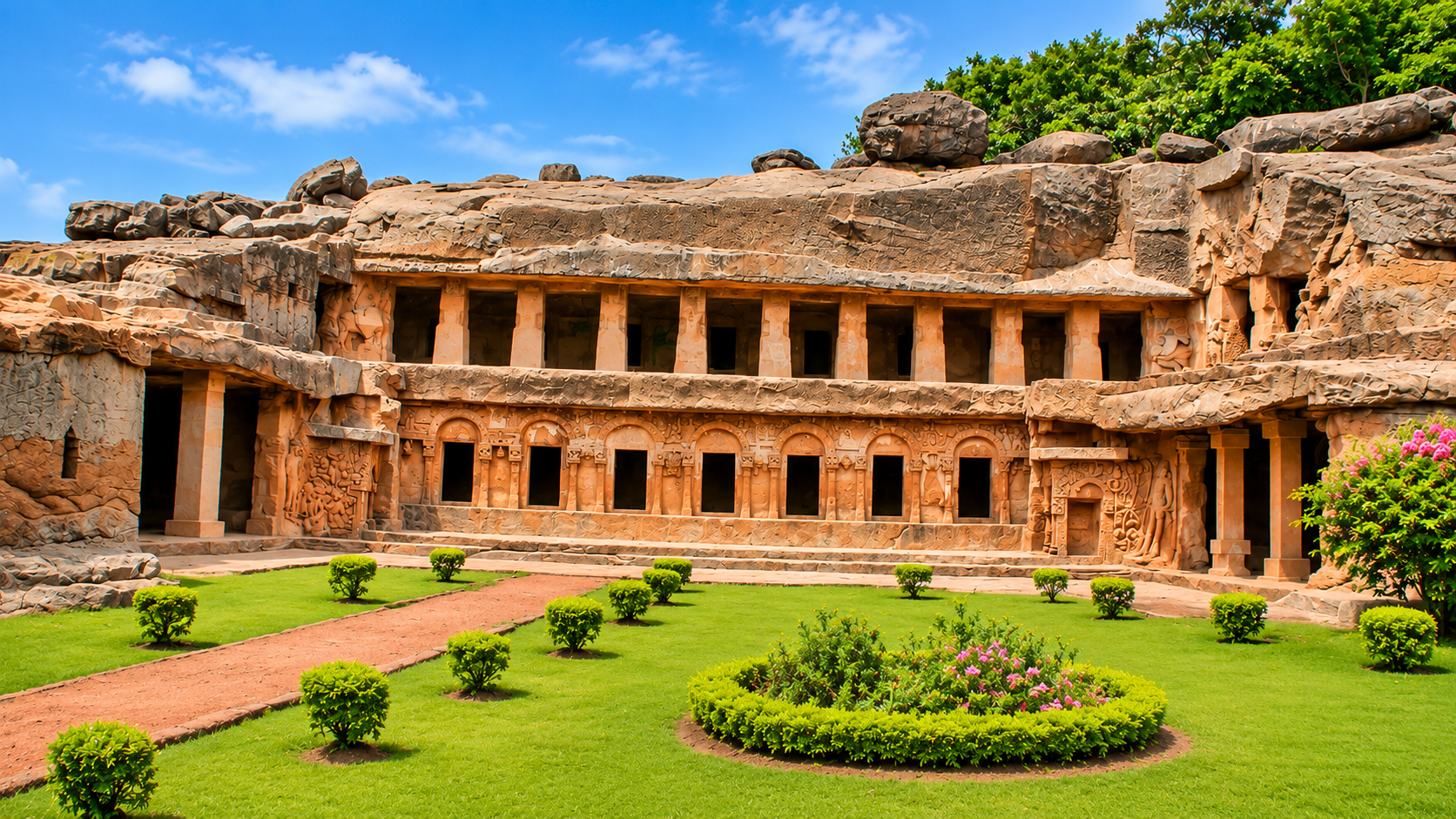
The Khandagiri and Udayagiri Caves are a pair of rock-cut cave complexes carved into two neighbouring sandstone hills on the western edge of Bhubaneswar in Khordha district. Created as retreats for Jain monks around the 2nd century BCE, they are among the oldest surviving monuments in Odisha and a must-see for anyone interested in history, sculpture or simply a good climb with a view.
The two hills face each other across a road. Udayagiri (“sunrise hill”) holds the more elaborate caves, while Khandagiri (“broken hill”) is quieter and topped by a Jain temple. Together they make an easy half-day trip from the city centre.
What makes the Khandagiri and Udayagiri Caves special is that they are not grand temples but simple monastic cells. Many are small, with low ceilings and stone benches, because they were built for monks who meditated, slept and studied here, especially during the rainy season when Jain ascetics stayed in one place.
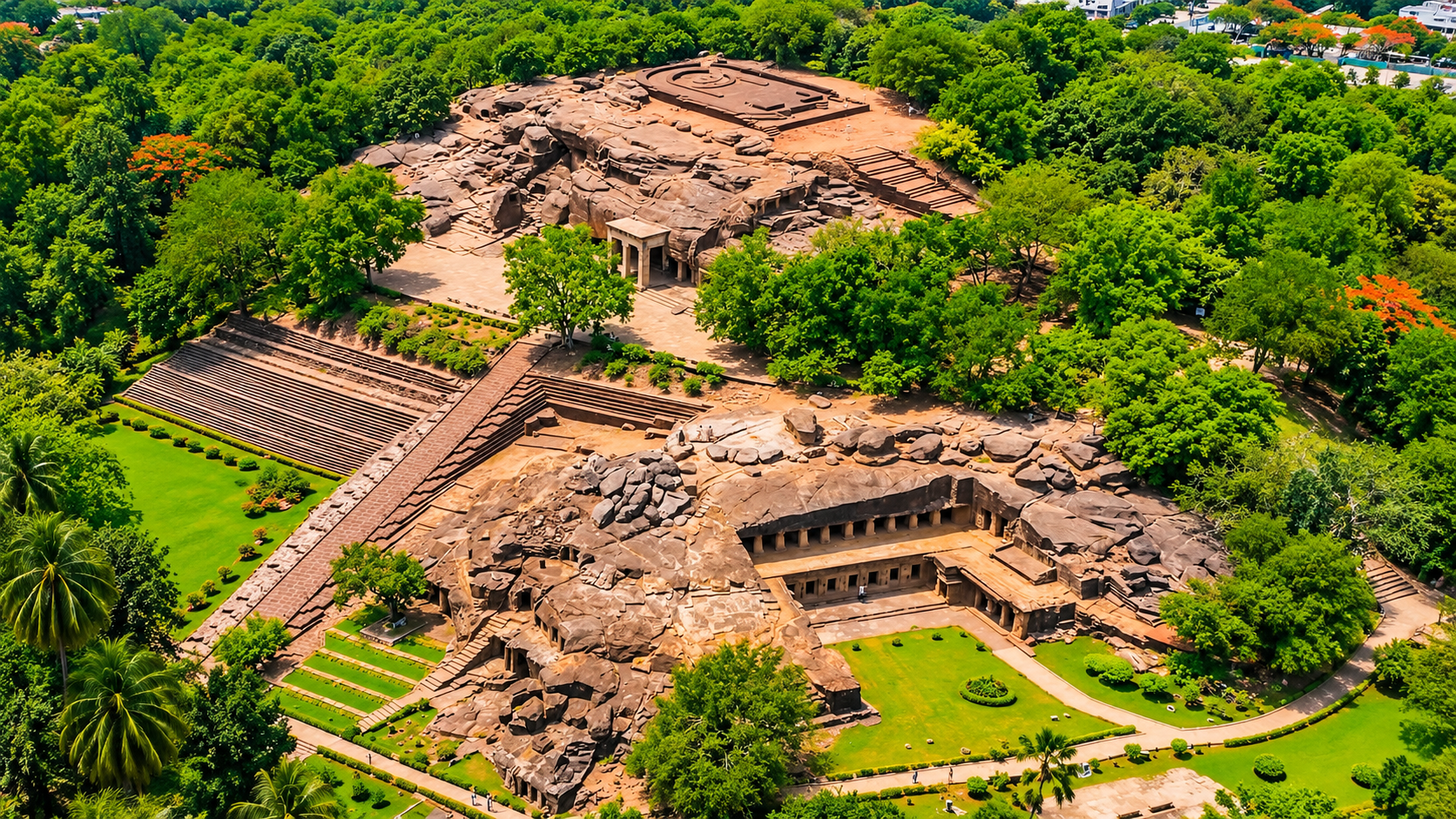
Khandagiri and Udayagiri Caves at a Glance
| Location | Western Bhubaneswar, Khordha district |
|---|---|
| Known for | Jain rock-cut caves from King Kharavela’s time |
| Timings | 8:00 AM to 5:00 PM |
| Entry | ASI ticket (check current rates) |
| From Bhubaneswar station | A short drive by auto or cab |
| Best time | October to March, early morning |
History of the Khandagiri and Udayagiri Caves
Odisha Tourism dates the caves to the 2nd century BCE, during the reign of King Kharavela of the Mahameghavahana (Chedi) dynasty of ancient Kalinga. Kharavela was a follower of Jainism, and most of the caves were carved as dwellings for Jain ascetics. The inscriptions call these cells lena.
The hills were known in ancient times as Kumari Parvata, a name that appears in the famous Hathigumpha inscription. That inscription, carved on the brow of a natural cavern on Udayagiri, records Kharavela’s life and deeds year by year and is one of the most important historical records of early Odisha.
Kharavela’s reign is remembered as a high point of Kalinga’s power, and the carvings reflect a confident, prosperous society. Friezes show musicians, dancers, warriors, elephants and courtly scenes, offering a rare picture of life in ancient Odisha.
The Bhubaneswar heritage walk team notes that old records mention 117 caves, but only 33 survive today: 18 on Udayagiri and 15 on Khandagiri.
Top Caves to See on Udayagiri
- Rani Gumpha (Cave 1): The largest and finest cave, a double-storeyed monastery with long friezes showing royal processions, hunting scenes and dancers.
- Ganesh Gumpha (Cave 10): Guarded by carved elephants, with friezes often linked to the story of Udayana and Vasavadatta.
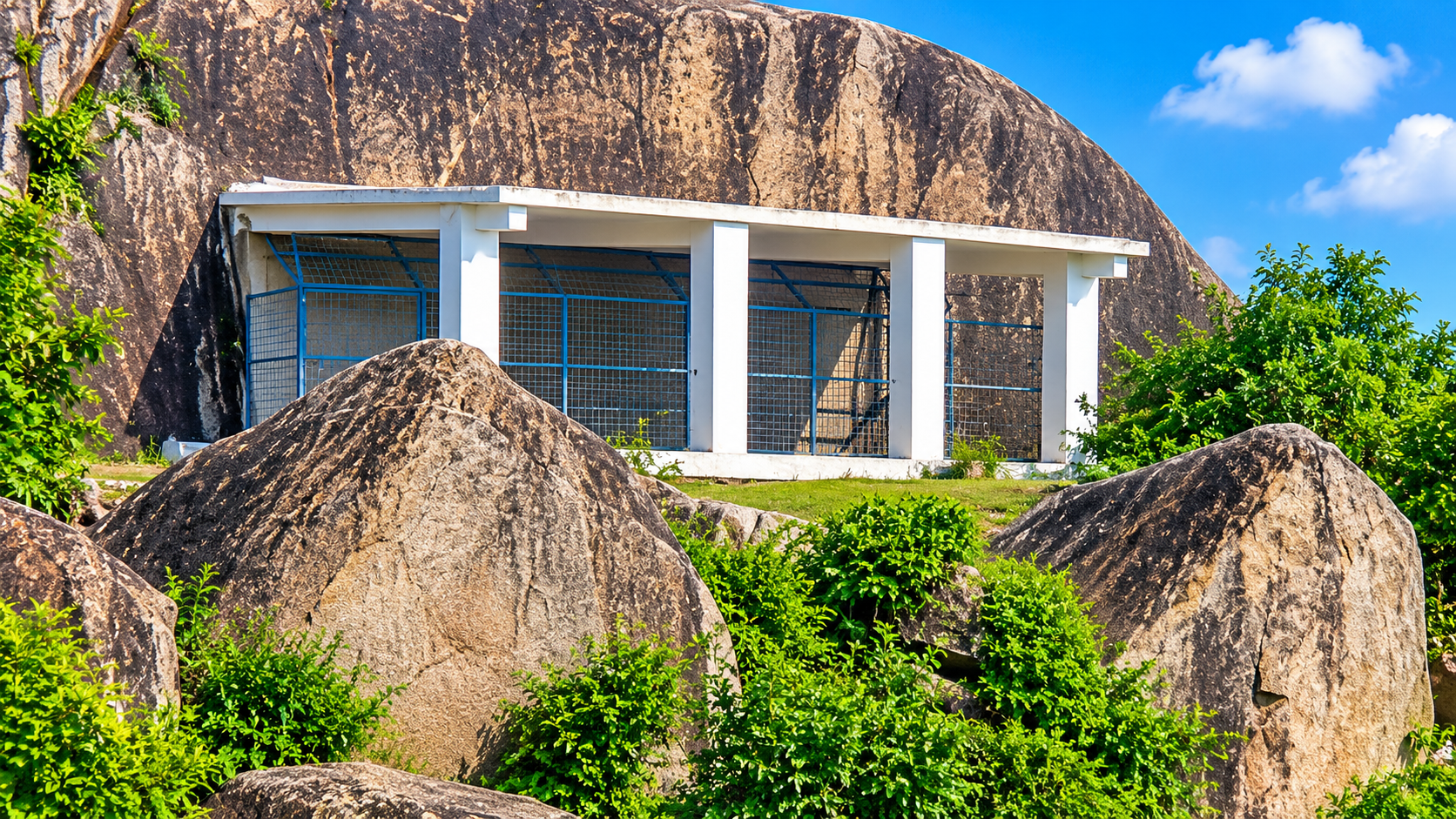
- Hathigumpha (Cave 14): The “elephant cave”, a natural cavern famous for Kharavela’s long inscription in Brahmi script.
- Bagh Gumpha (Cave 12): Carved in the shape of a tiger’s open mouth; an inscription says it belonged to a town judge.
Near the top of Udayagiri, excavations revealed the foundation of an apsidal structure that was likely a place of worship.
What to See on Khandagiri
- Ananta Gumpha (Cave 3): Known for its reliefs and auspicious symbols such as the swastika.
- Navamuni Gumpha (Cave 7): Carvings of Jain Tirthankaras, including Parshvanatha and Rishabhanatha.
- Hilltop Jain temple: A later Jain temple crowns Khandagiri and offers wide views over Bhubaneswar.
Most visitors start at Udayagiri because its caves are the most famous, then cross the road to Khandagiri. This simple route lets you see the Khandagiri and Udayagiri Caves in a logical order without backtracking.
The climb on Khandagiri is a little steeper, but the views at the top make it worthwhile, especially near sunset.
Things to Do at the Khandagiri and Udayagiri Caves
- Trace the stone friezes of Rani Gumpha slowly; the details of daily life 2,000 years ago are fascinating.
- Find the Hathigumpha inscription and imagine the scribes cutting each letter.
- Climb Khandagiri for a panoramic view of the city.
- Join a heritage walk: the city’s Monks, Caves and Kings Jain circuit includes Hathigumpha, Rani Gumpha, Ganesh Gumpha and Bagh Gumpha.
- Watch out for the playful monkeys that live on both hills.
How to Reach the Khandagiri and Udayagiri Caves
- By air: Biju Patnaik International Airport, Bhubaneswar, is the nearest airport and only a short drive away.
- By rail: Bhubaneswar Railway Station is the nearest railhead.
- By road: The caves lie on the western side of the city, close to the Khandagiri square area. City buses, autos and app cabs reach the site easily.
Check the official Odisha Tourism page before you go, and explore more in our Khordha district guide.
Best Time to Visit, Timings and Entry
Odisha Tourism recommends October to March, when the weather is pleasant for climbing. Summer days are very hot on the bare rock, so go early in the morning or late in the afternoon.
- Timings: Odisha Tourism lists 8:00 AM to 5:00 PM.
- Entry: An entry fee applies as per Archaeological Survey of India (ASI) norms. Local reports note that the ticket is for Udayagiri while Khandagiri has been free; check the current rates at the counter.
- Time needed: Plan 2 to 3 hours to see both hills properly.
Travel Tips
- Wear comfortable shoes with grip; the steps and rock surfaces can be slippery.
- Carry a hat, sunscreen and water, as there is little shade.
- Keep food and bags closed to avoid the monkeys.
- Hire a registered guide at the site if you want the full story behind the friezes.
- Respect the monument: no climbing on carvings or writing on walls.
- Weekends and festival days are busy; visit on a weekday morning for a calmer experience at the Khandagiri and Udayagiri Caves.
Nearby Places
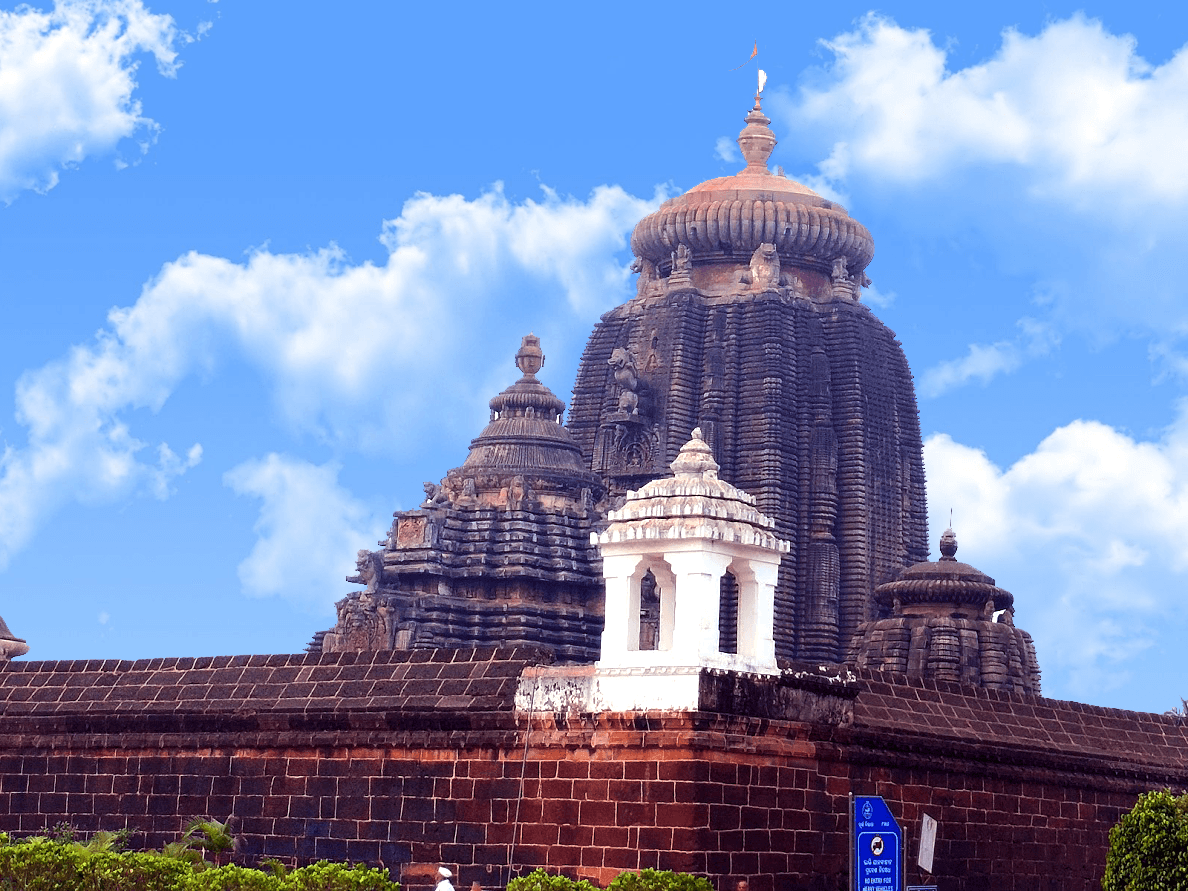
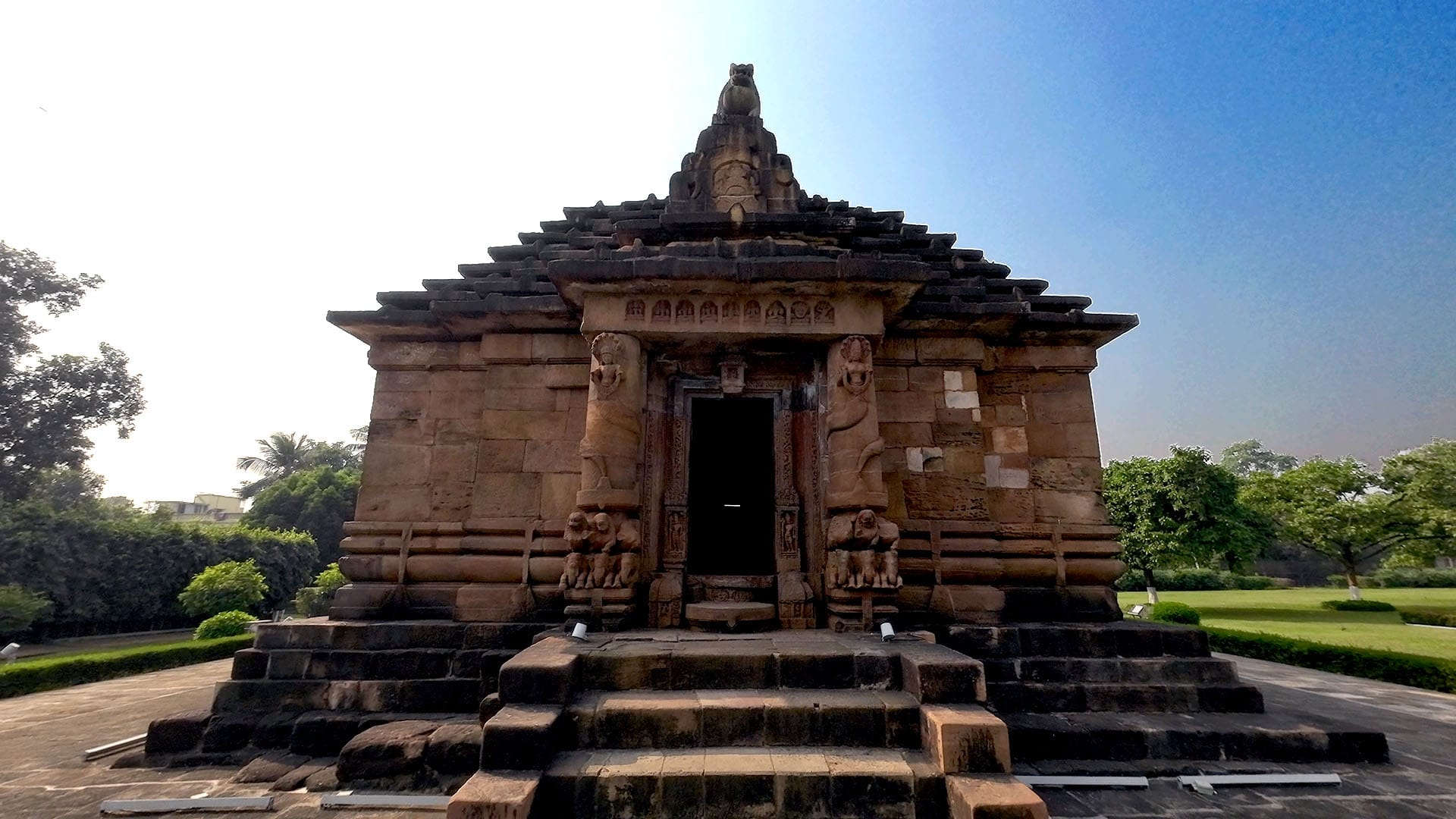
- Rajarani Temple, famous for its graceful sculptures.
- Mukteswara Temple, often called the gem of Odisha architecture.
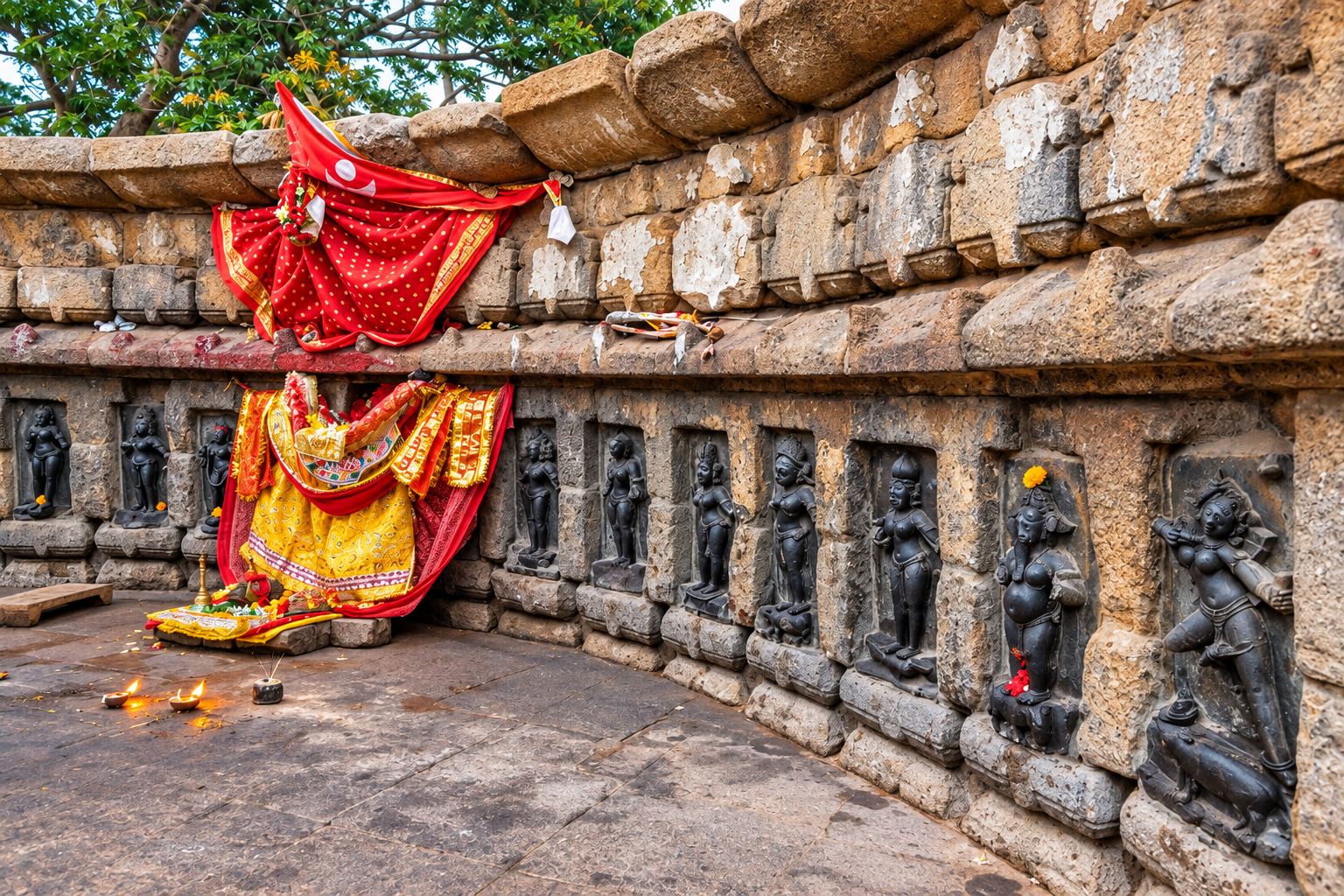
- The Hirapur 64 Yogini Temple and Dhauli peace pagoda on the southern side of the city.
Frequently Asked Questions
Who built the Khandagiri and Udayagiri Caves?
Most caves were carved for Jain monks during the reign of King Kharavela of Kalinga, around the 2nd century BCE, according to Odisha Tourism.
How many caves are there?
Thirty-three caves survive: 18 on Udayagiri and 15 on Khandagiri.
What is the Hathigumpha inscription?
It is a long Brahmi inscription on Udayagiri that describes the life and achievements of King Kharavela, and it is a key source for the early history of Kalinga.
Are the Khandagiri and Udayagiri Caves suitable for children and elderly visitors?
Yes, with care. The paths involve steps and some climbing, so elderly visitors may prefer to see the lower caves of Udayagiri and skip the Khandagiri summit.