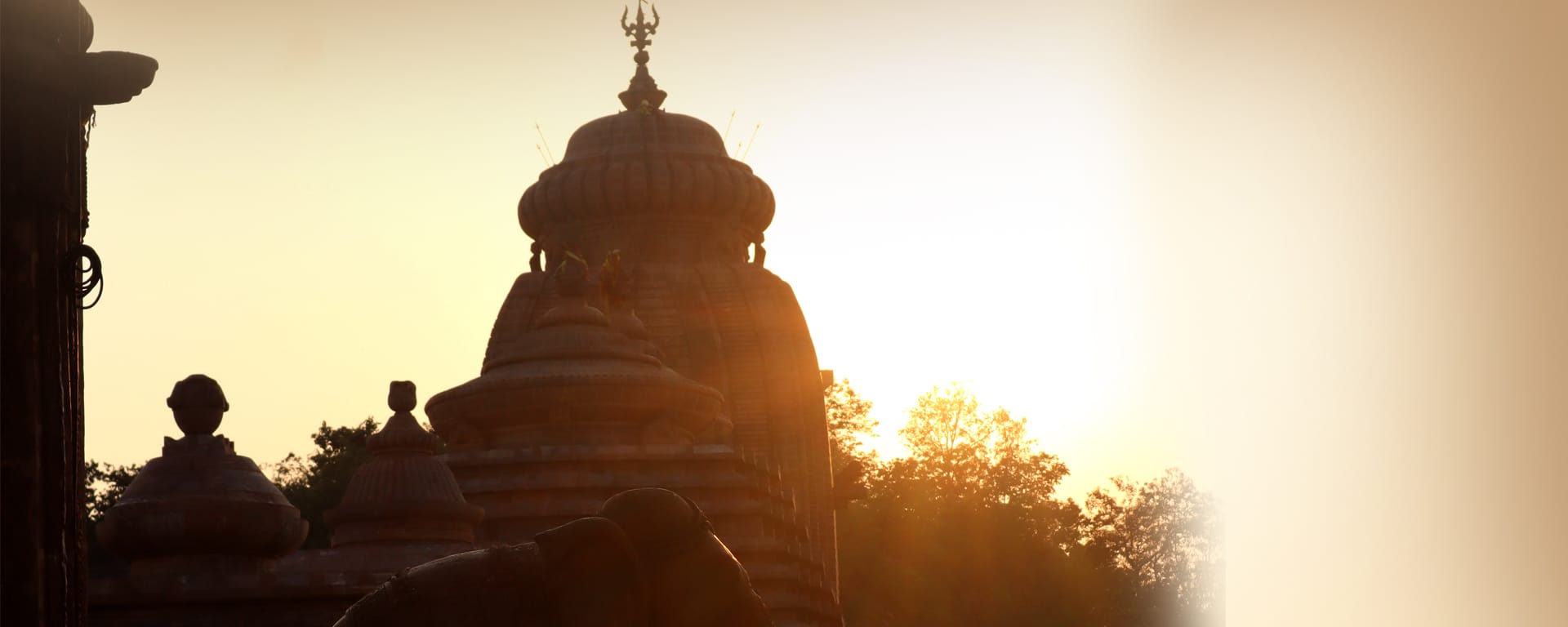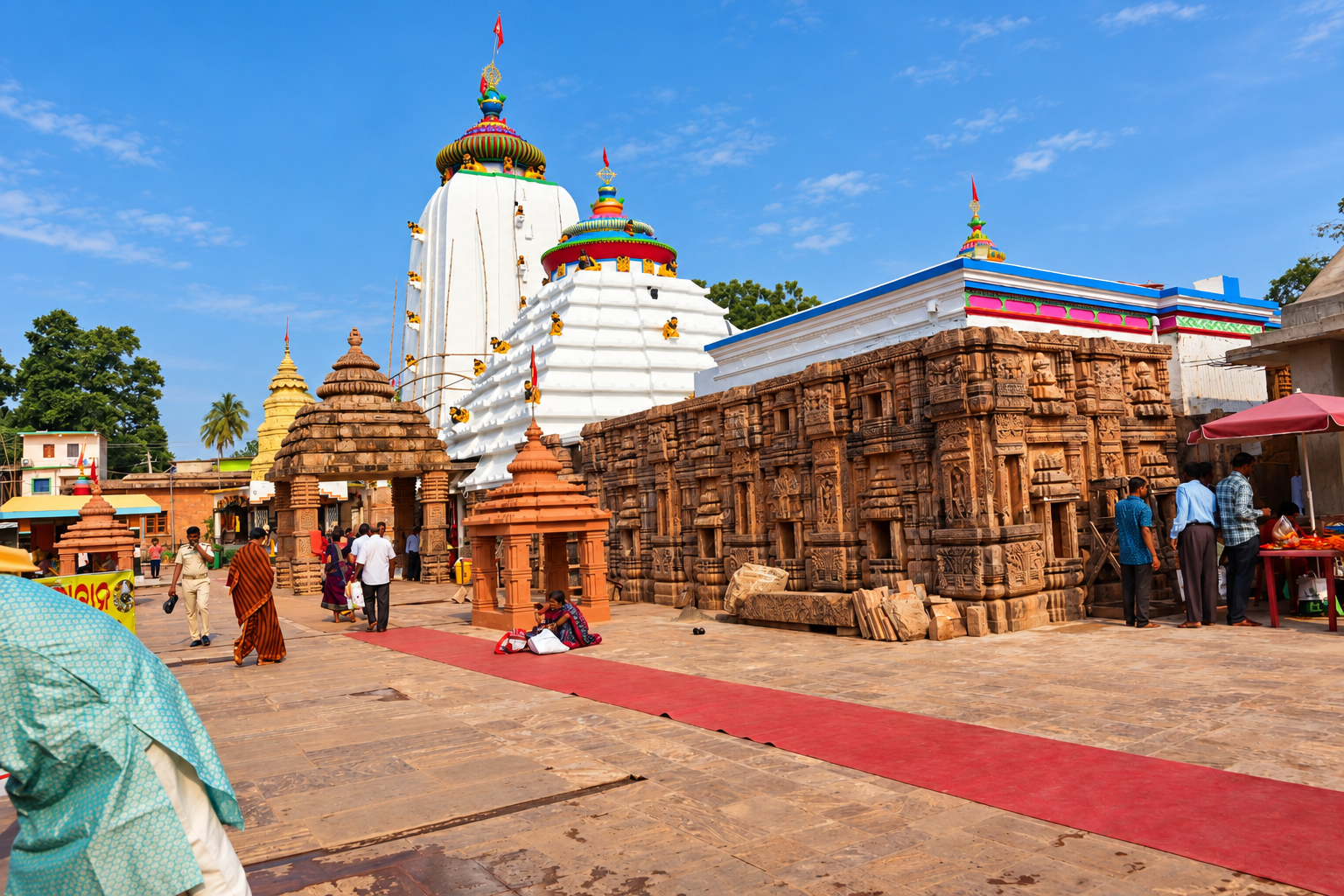
The Biranchi Narayan Temple Buguda is a rare 18th-century Sun temple in Ganjam district that surprises almost every visitor: instead of stone sculpture, its glory lies in richly carved wood and colourful wall murals. Often called the “Wooden Konark”, it sits in the small town of Buguda in the old Ghumusar region, and it is one of the most rewarding art stops in south Odisha.
If you love temple art, Pattachitra-style painting or simply quiet heritage towns, set aside a few hours for this place.
History of Biranchi Narayan Temple Buguda
The temple was built in the late 18th century by King Srikara Bhanja of the Bhanja dynasty of Ghumusar. Sources differ slightly on the exact year: some give 1777, while others link it to the period after he took the throne around 1790. Either way, it belongs to the late Bhanja era, when Ghumusar was a centre of Odia art and literature.
Local tradition says the main image of Surya was recovered from the ruins at Malatigarh (Malatipur hills). According to the story, a cowherd’s foot struck a metal plate, and villagers dug up a life-size image of the Sun God, which was later enshrined here.
Another legend popular with devotees is that of Samba, son of Lord Krishna, who was cured of leprosy after years of worshipping the Sun. That is why many people come here to pray for health and healing.
Architecture: The “Wooden Konark”
The temple is designed in the form of a chariot drawn by seven horses, with Aruna as the charioteer, echoing the great Konark Sun Temple. But there is one striking difference.
- West-facing: Konark faces east to receive the rising sun. Biranchi Narayan faces west, so the rays of the setting sun fall on the feet of the deity.
- Wooden pillars: The roof of the hall rests on 46 carved wooden pillars, 32 smaller and 14 taller ones.
- Carved ceiling and doors: The ceiling, struts, door jambs and walls are covered with fine wood carving.
It is described as one of the very few wooden temples in Odisha, which makes the Biranchi Narayan Temple Buguda important for anyone studying the state’s craft traditions.
The Famous Murals and Wood Carvings
The highlight for most art lovers is the painted interior. The walls carry murals made with natural pigments that still hold much of their colour.
- Ramayana: Long painted panels narrate episodes from the epic.
- Krishna Lila: Scenes from Krishna’s life, from childhood play to the defeat of Kamsa.
- Mahabharata and Vishnu’s avatars: More mythological panels appear on the walls and woodwork.
- Everyday life: Musicians, animals and daily activities add charming detail.
Take your time and look up. Many of the finest details are on the ceiling and the upper parts of the pillars. Local reports note that parts of the structure and the murals need conservation, so treat the paintings gently and avoid touching them.
Festivals at the Temple
- Magha Saptami (Ratha Saptami): The most important Sun festival, held in the month of Magha.
- Samba Dashami: Observed in the month of Pausha in honour of the Sun God.
- Danda Yatra: The traditional folk-ritual festival of south Odisha, also celebrated here.
- Sundays and Sankranti: Considered auspicious days for Surya worship.
Facing the temple on the main road is a Jagannath temple. Devotees love to stand on the road between them and watch the aarti of both shrines at the same time.
How to Reach Biranchi Narayan Temple Buguda
Buguda lies in the Ghumusar area of Ganjam district, about 70 km from Berhampur and about 30 km from Aska, according to published sources.
- By air: The nearest airport is Biju Patnaik International Airport, Bhubaneswar, roughly 180 km away by road.
- By rail: Berhampur (Brahmapur) is the nearest major railway station.
- By road: Buses connect Buguda with Aska and Berhampur. A taxi from Berhampur gives you the freedom to add Bhetnoi and other nearby stops.
Best Time to Visit
October to March is ideal, with pleasant weather for exploring the town. Visit during Magha Saptami if you want to see the Biranchi Narayan Temple Buguda at its most festive, but expect crowds. For the murals, a weekday morning gives you calm and good natural light. Late afternoon is also special, as it is the time when the setting sun lines up with the west-facing shrine.
Timings, Entry and Travel Tips
We could not verify official darshan timings. Like most Odisha temples, it is usually open from early morning to around noon and again from late afternoon to evening, with a midday closure. There is no known entry ticket. Photography rules can vary inside the sanctum, so ask the priests before taking pictures.
- Dress modestly and remove footwear before entering.
- Carry a small torch or use your phone light to see dim corners of the murals, but never use flash on old paintings.
- Combine your visit to the Biranchi Narayan Temple Buguda with the blackbuck herds at Bhetnoi, which lie on the Aska-Buguda road.
- Local eateries are simple; Aska and Berhampur have more options.
Nearby Places
- Buddhakhola: About 3 km away, with a hilltop group of Shiva temples, a small stream and Buddhist remains.
- Bhetnoi: Villages known for free-roaming blackbuck, on the road from Aska.
- Dhanei and Baghua dams: Reservoirs roughly 10-13 km from Buguda, good for a quiet evening.
- Taptapani: The hot spring at Taptapani can be added on a longer Ganjam circuit.
Find more places in our Ganjam district guide or on the official Odisha Tourism website.
FAQs About Biranchi Narayan Temple Buguda
Why is Biranchi Narayan Temple Buguda called the Wooden Konark?
Because it is a chariot-shaped Sun temple like Konark, but its interior is built and decorated largely with carved wood instead of stone.
Who built the Biranchi Narayan Temple at Buguda?
It was built in the late 18th century by King Srikara Bhanja of the Bhanja dynasty of Ghumusar.
What do the murals show?
The wall paintings depict scenes from the Ramayana, Krishna Lila and the Mahabharata, along with musicians, animals and daily life.
How far is Biranchi Narayan Temple Buguda from Berhampur?
It is roughly 70 km by road from Berhampur, which is also the nearest major railway station.