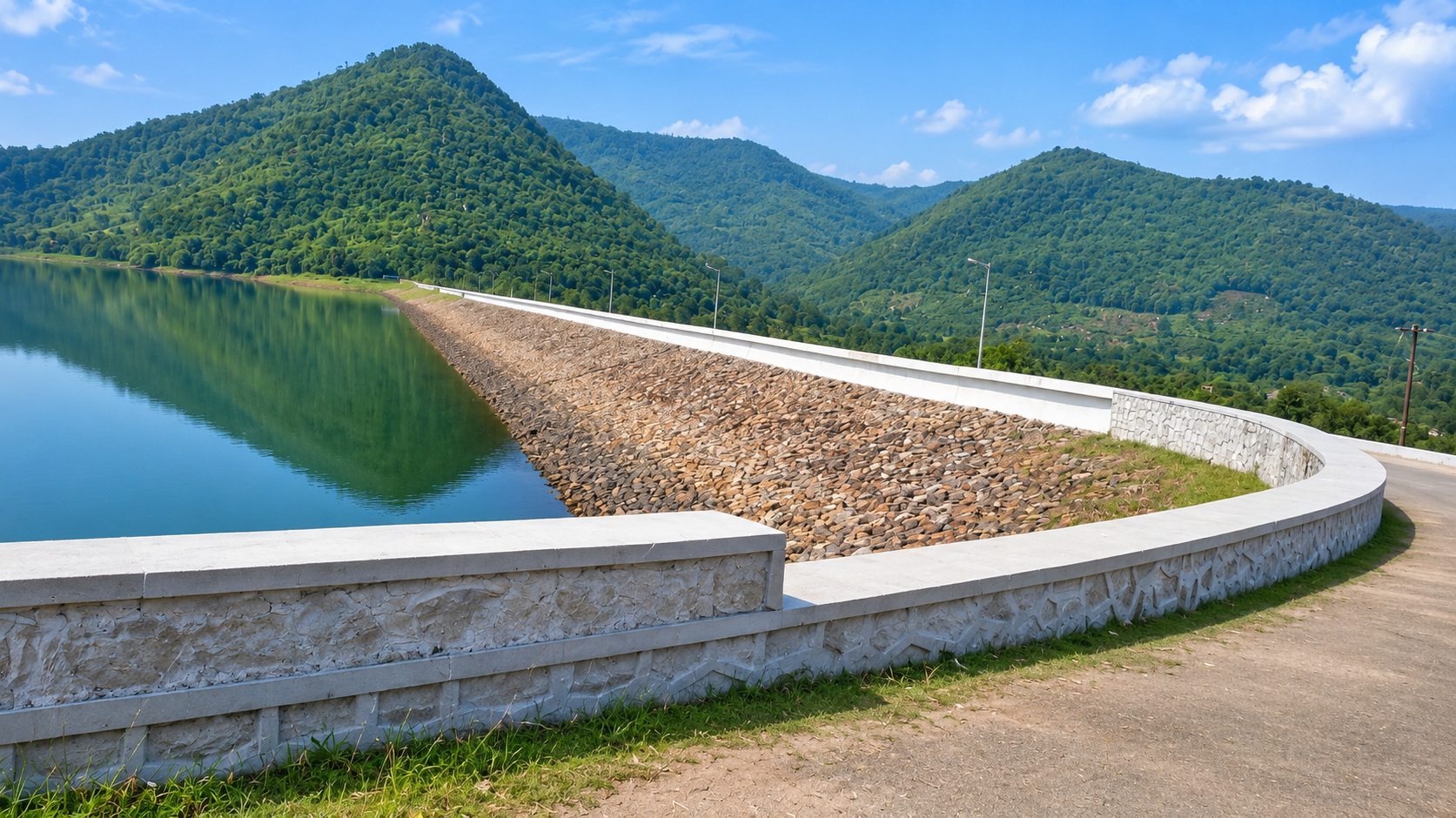
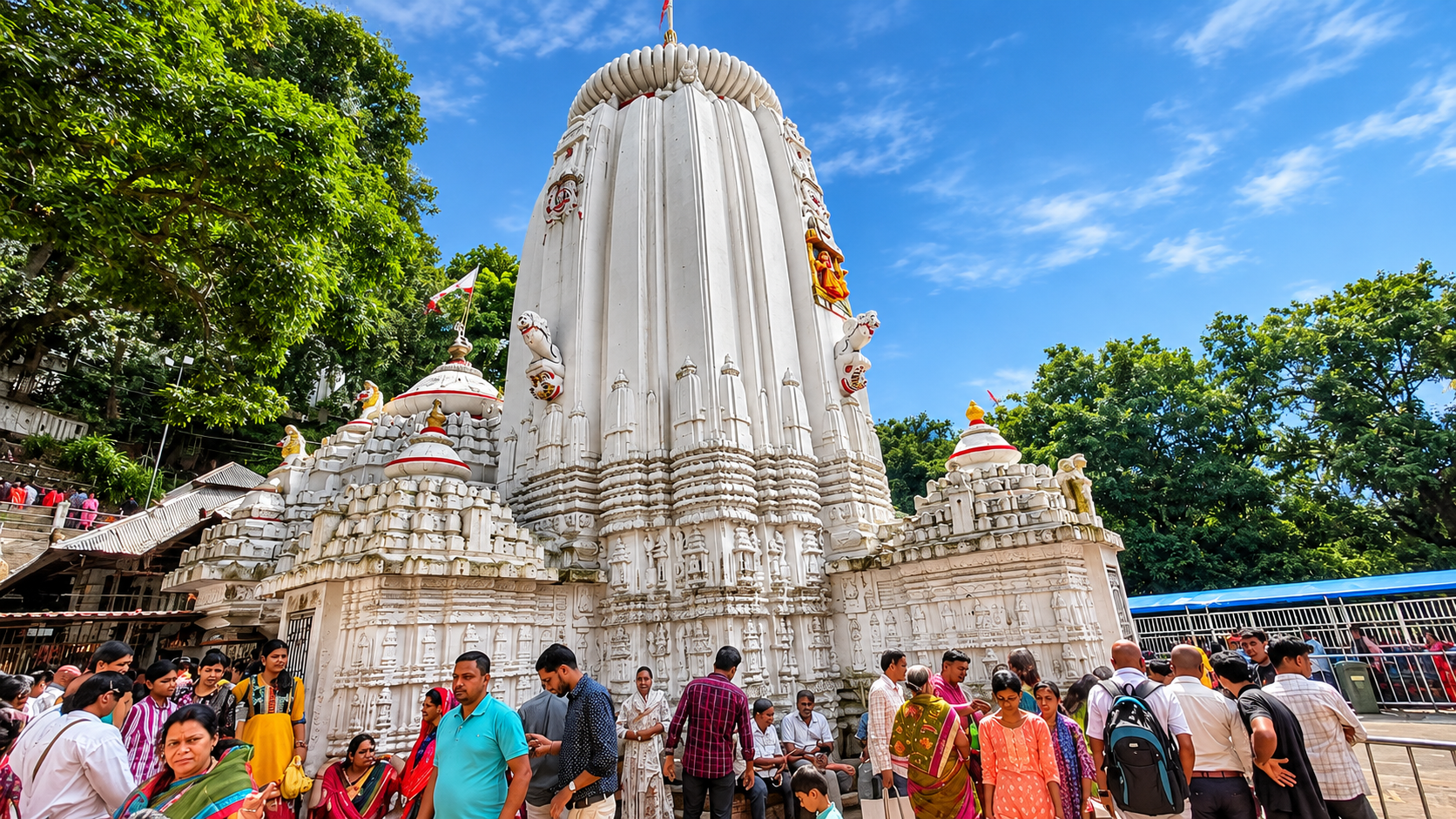
Kapilash Temple is a hilltop Shiva shrine in Dhenkanal district, Odisha, about 26 km from Dhenkanal town and about 106 km from Bhubaneswar airport. Lord Shiva is worshipped here as Sri Chandrasekhar Mahadev. Devotees reach Kapilash Temple either by climbing 1,351 stone steps or by a winding ghat road through the forest. Known as the “second Kailash” of Odisha, Kapilash combines pilgrimage, 800 years of history and green hill views in one easy day trip.
Kapilash Temple at a Glance
| Location | Kapilash hill, Dhenkanal district, Odisha |
|---|---|
| Deity | Sri Chandrasekhar Mahadev (Lord Shiva) |
| Built | 1246 CE, by Ganga king Narasimha Deva I (temple inscription) |
| Height of the hill | About 457 m, the highest peak of the Kapilash range |
| Access | 1,351 steps, or the ghat road by car or bike |
| From Dhenkanal | About 26 km by road |
| From Bhubaneswar airport | About 106 km |
| Biggest festival | Maha Shivaratri (February–March) |
| Best time to visit | October to March |
Why Kapilash Temple Is Called the Second Kailash
Mount Kailash in the Himalayas is the abode of Lord Shiva. At Kapilash, Shiva sits on the highest forested summit of the range, surrounded by quiet hills, so many scholars and devotees call it Shiva’s second Kailash (Dwitiya Kailash).
Standing at the top, you see green forest rolling away on every side, villages far below and a cool breeze even on a warm day. For many pilgrims, that view is part of the darshan.

The Legend of Sage Kapila
Tradition says the hill was the ashram of Sage Kapila, the founder of the Sankhya school of philosophy, who is believed to have meditated on this lonely summit. The hill, and Kapilash Temple, take their name from him.
The hill is also linked with two great spiritual figures of Odisha. Shridhar Swami, the famous commentator on the Bhagavata Purana, is said to have stayed here, and Kapilash is associated with Mahima Gosain, the founder of the Mahima cult. The hill also has caves that local tradition links with Puranic stories.
History of Kapilash Temple
According to the Kapilash temple inscription, King Narasimha Deva I of the Eastern Ganga dynasty built the temple of Sri Chandrasekhar in 1246 CE. This is the same king who built the world-famous Konark Sun Temple. Carrying stone up a steep hill to build a temple nearly 800 years ago must have been a huge effort.
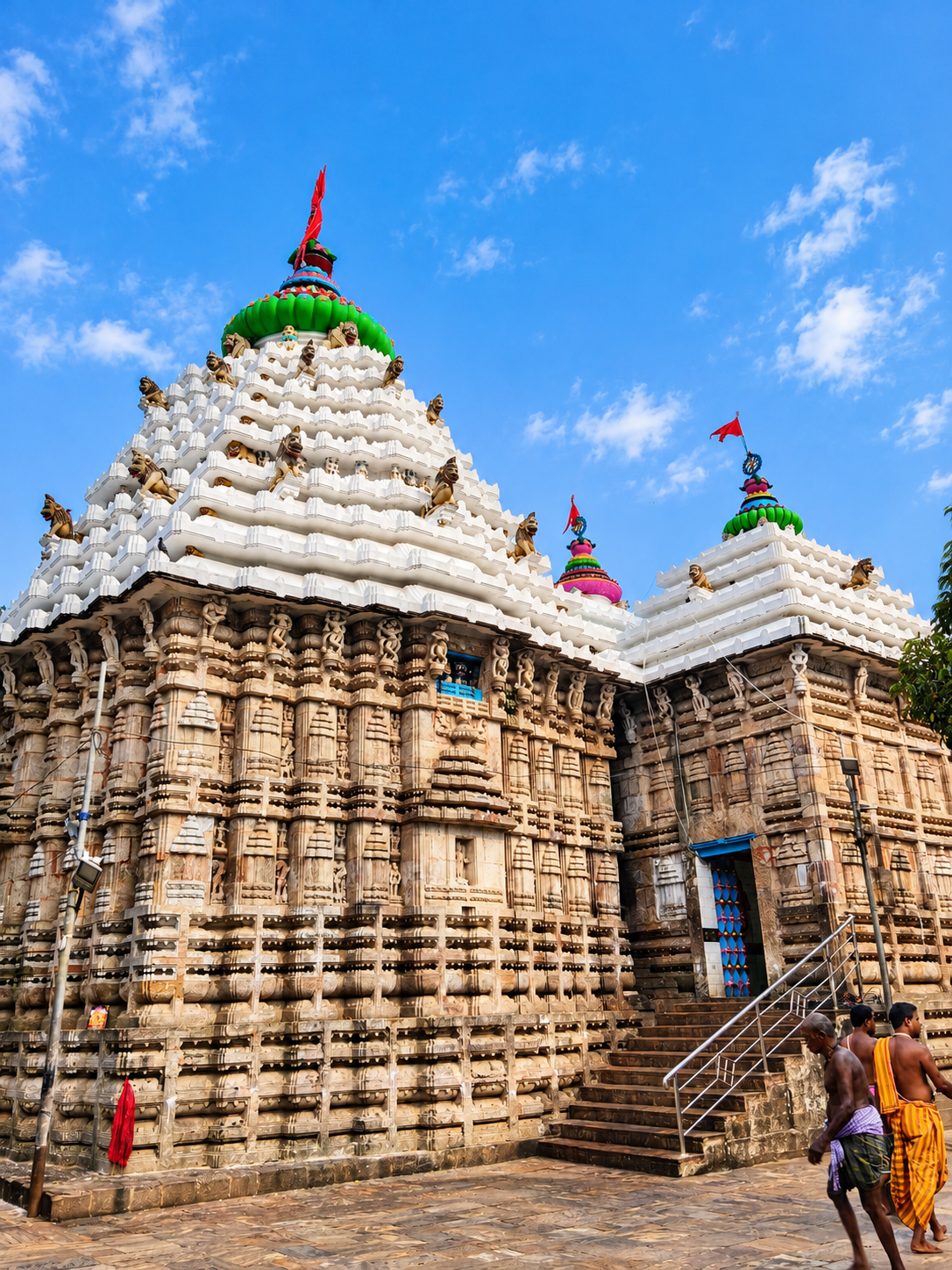
The main temple follows the Kalinga style of architecture, with a tower about 60 feet high. Some scholars believe the nearby Vishwanath temple, where Shiva is called Budha Linga (the old linga), is even older than the Chandrasekhar temple. The ruins of a medieval fort on the hill show that Kapilash was also important for defence.
What to See at Kapilash Temple
- Chandrasekhar Mahadev temple: the main shrine on the summit.
- Vishwanath temple (Budha Linga): believed by some to be the oldest shrine on the hill.
- Payamrta Kunda and Marichi Kunda: two sacred pools on either side of the temple.
- Other shrines: images of Ganesh, Kartikeya and Ganga Devi, Patita Pavana Jagannath, a wooden jagamohana and several mathas.
- Caves and fort ruins: old caves and the remains of a medieval fort on the hill.
- Nature: sal, kendu and mahua forest. Peacocks and monkeys are common, so keep food and bags closed.
- At the foothill: a deer park and a science park, good for families with children.


Climbing the 1,351 Steps
For many devotees, climbing the steps is part of the pilgrimage. Each step is believed to bring you closer to Mahadev, and you will hear “Har Har Mahadev” and “Bol Bam” all the way up. Take it slowly, with rest stops in the shade; most people need around an hour.
If you cannot climb, the ghat road goes up to the temple by car, bike or taxi. Many families drive up and walk down the steps.

Festivals at Kapilash Temple
Maha Shivaratri is the biggest day of the year, when thousands of devotees climb the hill for darshan and keep the night-long vigil. In Shravan, Kanwar (Bol Bam) pilgrims walk to the shrine with holy water, and Kartika month also brings many Shiva devotees. See the dates in our Odisha festival calendar.
How to Reach Kapilash Temple
| From | Distance | How |
|---|---|---|
| Dhenkanal town / railway station | About 26 km | Bus, taxi or auto |
| Biju Patnaik Airport, Bhubaneswar | About 106 km | Taxi or bus via Dhenkanal |
- By air: Biju Patnaik International Airport, Bhubaneswar, is the nearest airport.
- By rail: Dhenkanal railway station is the nearest railhead.
- By road: Kapilash Temple is about 26 km from Dhenkanal bus stand. Buses and taxis run from Dhenkanal, and the ghat road goes up to the temple.
Plan a day trip that combines Kapilash Temple with other places nearby using our free Odisha Trip Planner.
Best Time to Visit and Travel Tips
- October to March is the most pleasant season for the climb.
- Start early in the morning, carry water and wear comfortable footwear.
- Maha Shivaratri is very crowded. Choose a normal weekday for a quiet darshan.
- Dress modestly and follow the temple rules.
- Keep food and plastic bags away from the monkeys.
Frequently Asked Questions
Where is Kapilash Temple?
Kapilash Temple is on Kapilash hill in Dhenkanal district, Odisha, about 26 km from Dhenkanal town.
Who built Kapilash Temple?
According to the temple inscription, Ganga king Narasimha Deva I built the Chandrasekhar temple in 1246 CE. He also built the Konark Sun Temple.
How many steps are there to Kapilash Temple?
There are 1,351 steps, according to the Dhenkanal district administration. You can also drive up by the ghat road.
Why is Kapilash called the second Kailash?
Because Lord Shiva is worshipped on a high, forested summit much like Mount Kailash, many devotees and scholars call it Shiva’s second Kailash.
How far is Kapilash Temple from Bhubaneswar?
It is about 106 km from Biju Patnaik Airport, Bhubaneswar, by road via Dhenkanal.
When is the best time to visit Kapilash?
October to March for pleasant weather. Maha Shivaratri is the biggest festival but also the most crowded day.
Sources: Dhenkanal district administration; Kapilash temple inscription (1246 CE).
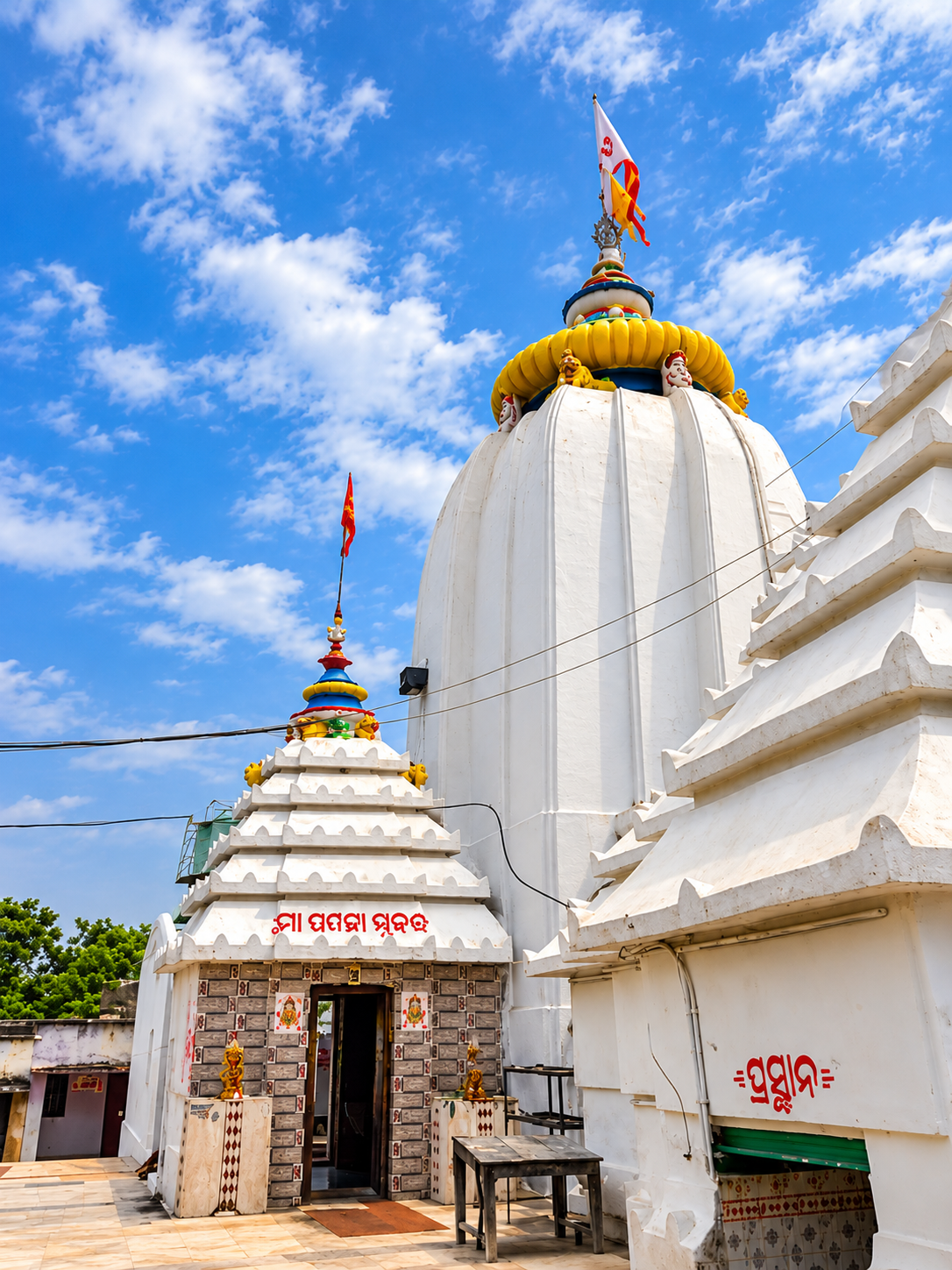 Dhabaleswar Temple
 Biraja Temple
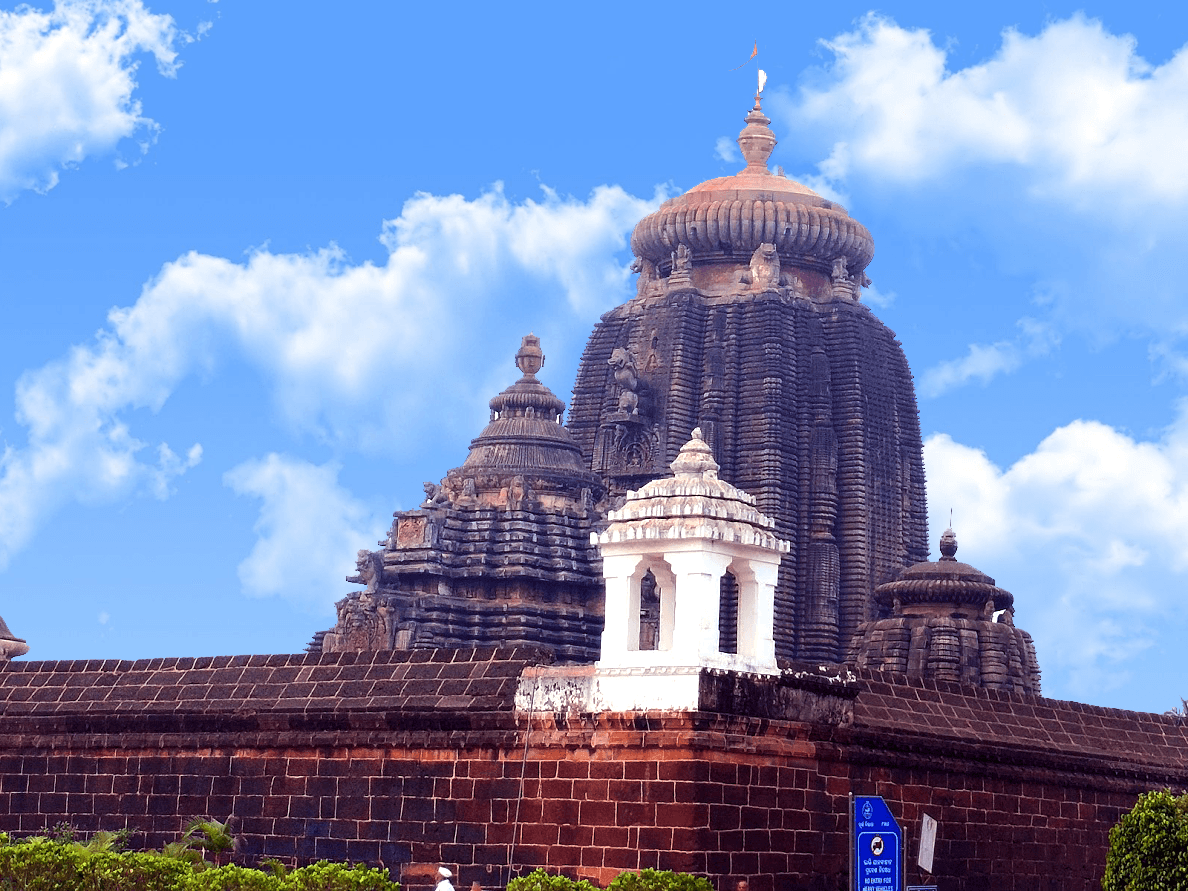 Lingaraj Temple