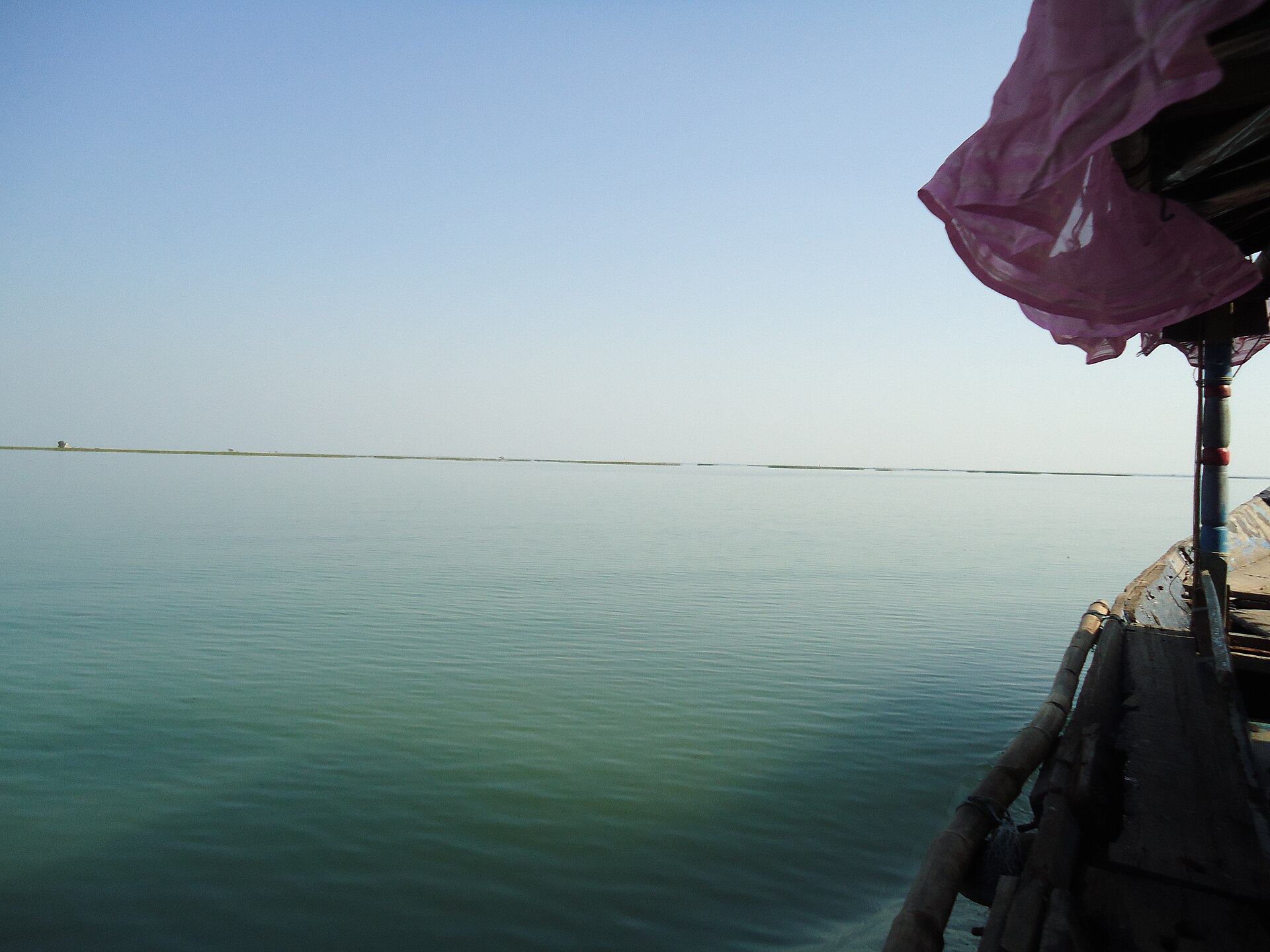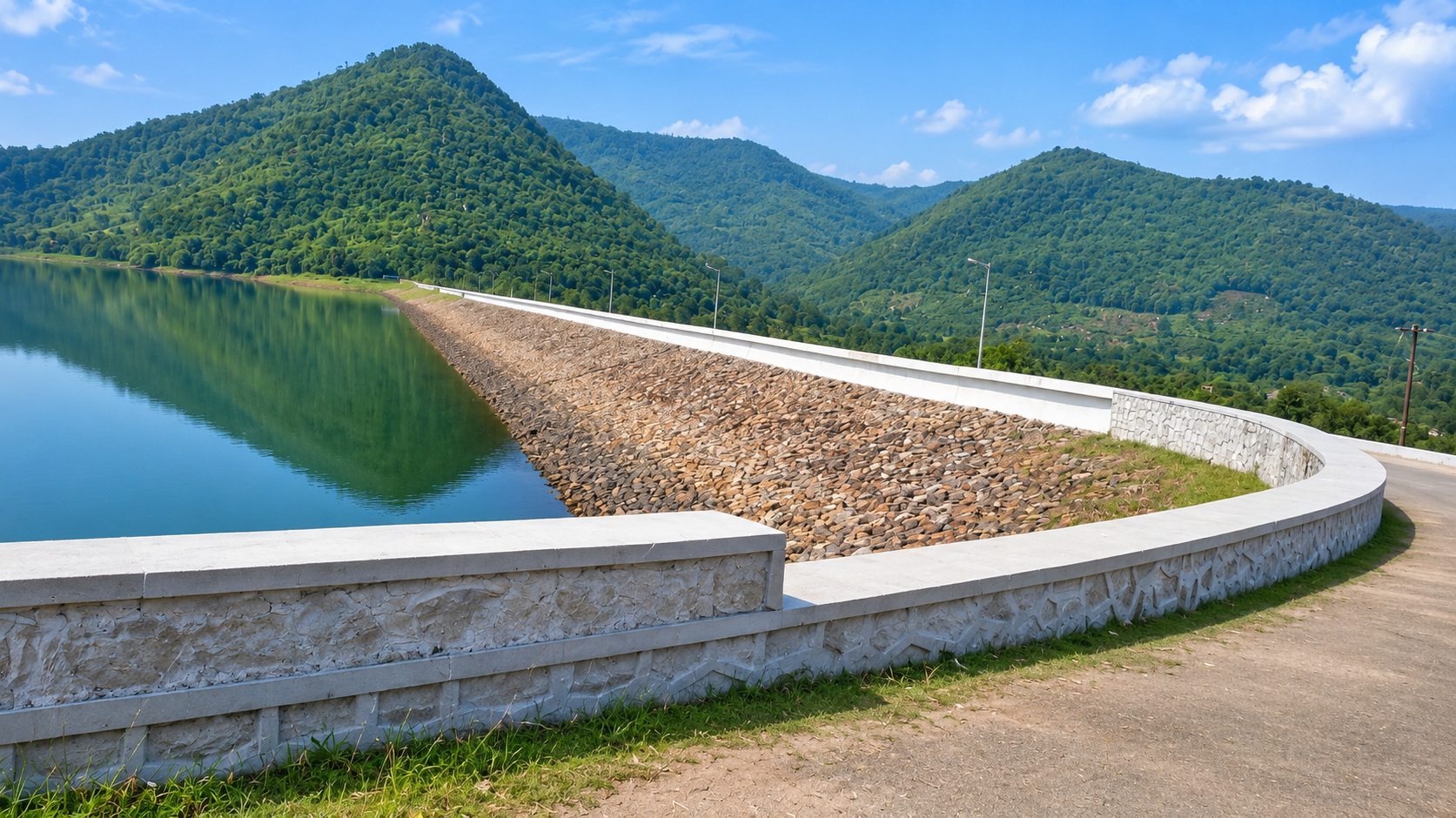
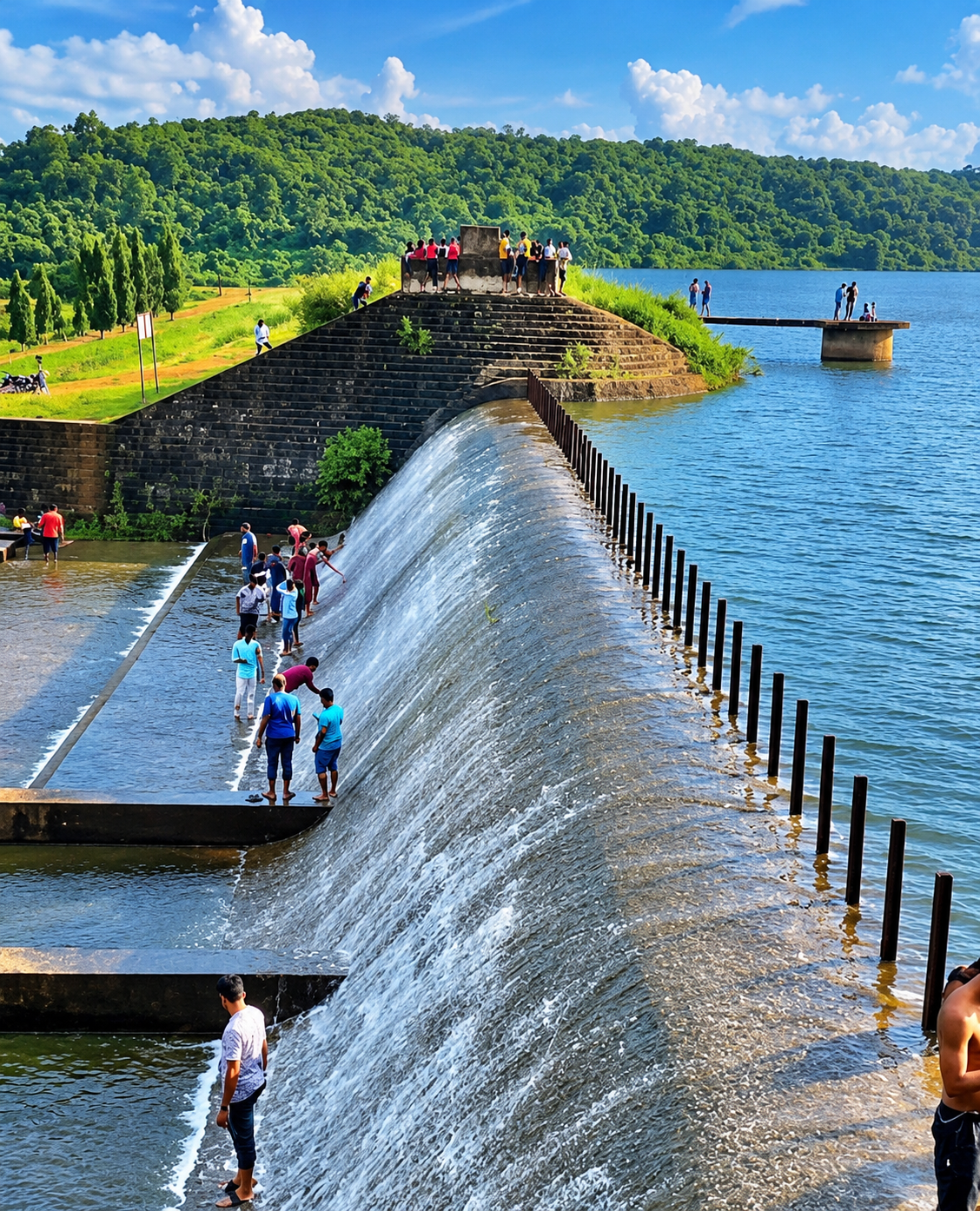
Deras Dam is a peaceful rain-fed reservoir in the Chandaka area on the north-western outskirts of Bhubaneswar, in Khordha district. Surrounded by forested hills of the Chandaka-Dampara Wildlife Sanctuary, it is one of the closest places to the capital where you can swap traffic for birdsong, still water and wide green views.
On winter weekends the banks fill with families and friends on picnics, while on weekdays you may have long stretches of the shoreline almost to yourself. It is an easy half-day or full-day outing from the city, and a good introduction to the forests that lie surprisingly close to Odisha’s capital.
About Deras Dam and Chandaka Forest
The Bhubaneswar city tourism portal describes Deras as a rainwater reservoir set amid forest and hills, about 25 km from the city. Local media place it roughly 15 to 20 km away, so the exact distance depends on where in Bhubaneswar you start.
The reservoir lies within the Chandaka-Dampara Wildlife Sanctuary, a forest of rolling tableland and small hillocks on the Khurda uplands spread across parts of Khordha and Cuttack districts. The sanctuary covers about 175.79 sq km and was designated an elephant reserve in December 1982. Deras and Jhumka are the two well-known reservoirs inside it.
Because it sits within a protected forest, Deras Dam feels much wilder than a typical city picnic spot. Water attracts animals and birds, especially in the dry months.
What to See at Deras Dam
- The reservoir: A broad sheet of water reflecting forested hills, beautiful in the soft light of early morning and late afternoon.
- Forest views: Dry deciduous forest and rolling hills surround the water, turning lush green after the monsoon.
- Wildlife: Chandaka is best known for its elephants. Sightings are never guaranteed, but you may spot birds, and with luck, signs of larger animals.
- Hilltop cottages: Cottages and bamboo houses near Deras offer a scenic view over the reserve.
Things to Do at Deras Dam
- Picnic: The open spaces near the water are popular for winter picnics.
- Birdwatching: Bring binoculars; the water’s edge and forest fringe are good for birds.
- Photography: Sunrise and sunset over the reservoir make lovely landscape shots.
- Stay overnight: Book a bamboo house or cottage for a quiet night in the forest.
- Explore Chandaka: The sanctuary has watchtowers such as Kochilaberana, Pitagadia and Charichhak for watching birds and animals; ask the forest department about current access and permits.
- Nature walks: Short walks along the bank are rewarding, but stay on open paths and avoid wandering into the forest alone.
How to Reach Deras Dam
- By air: Biju Patnaik International Airport, Bhubaneswar, is the nearest airport.
- By rail: Bhubaneswar Railway Station is the nearest major railhead.
- By road: Deras is reached via the Chandaka side of Bhubaneswar. A private car, cab or two-wheeler is the most practical option, as public transport to the reservoir itself is limited.
Use a map app with the search “Deras Dam, Chandaka” and start early, especially on winter weekends. For more state travel information, check Odisha Tourism and our Khordha district guide.
Best Time to Visit, Timings and Entry
October to February is the best season for Deras Dam. The weather is cool, the reservoir is full after the monsoon, and it is peak picnic season. The monsoon months are green and dramatic but can be slippery. Summer is hot, and the water level drops.
A local media report has listed visiting hours of about 10 AM to 5 PM with a small entry fee and parking charge. Since Deras lies inside a wildlife sanctuary, timings and fees are set by the forest department and may change, so confirm locally before you go. Plan to leave before dusk, when wild animals become more active.
Travel Tips for Deras Dam
- Do not swim in the reservoir; depths are unpredictable.
- Keep noise low and avoid loud music; this is elephant country.
- Never approach or follow wild elephants, and leave immediately if you see one nearby.
- Carry your own water, food and a trash bag, and take all litter back with you.
- Plastic and fires should be avoided inside the sanctuary; follow forest rules.
- Book cottages or bamboo houses well in advance for winter weekends.
- Mobile signal can be weak in parts of the forest, so download offline maps.
Planning Your Picnic: What to Pack
Facilities at the reservoir are basic, so a little planning makes the day far more comfortable. Here is a simple checklist that works well for a winter outing:
- Drinking water, packed lunch and snacks for everyone in the group.
- A mat or folding chairs, since seating near the water is limited.
- Sunscreen, caps and light jackets; mornings can be chilly and afternoons sunny.
- Insect repellent, especially around dusk and after the rains.
- Binoculars and a camera with a zoom lens for birds.
- A small first-aid kit and any personal medicines.
- Reusable bags to carry every piece of waste back to the city.
Large groups should arrive early to find a good spot, and should choose a designated driver who knows the forest road. If you are travelling with children, keep them away from the water’s edge and within sight at all times.
Nearby Places
- Jhumka Dam, another reservoir within the Chandaka-Dampara sanctuary.
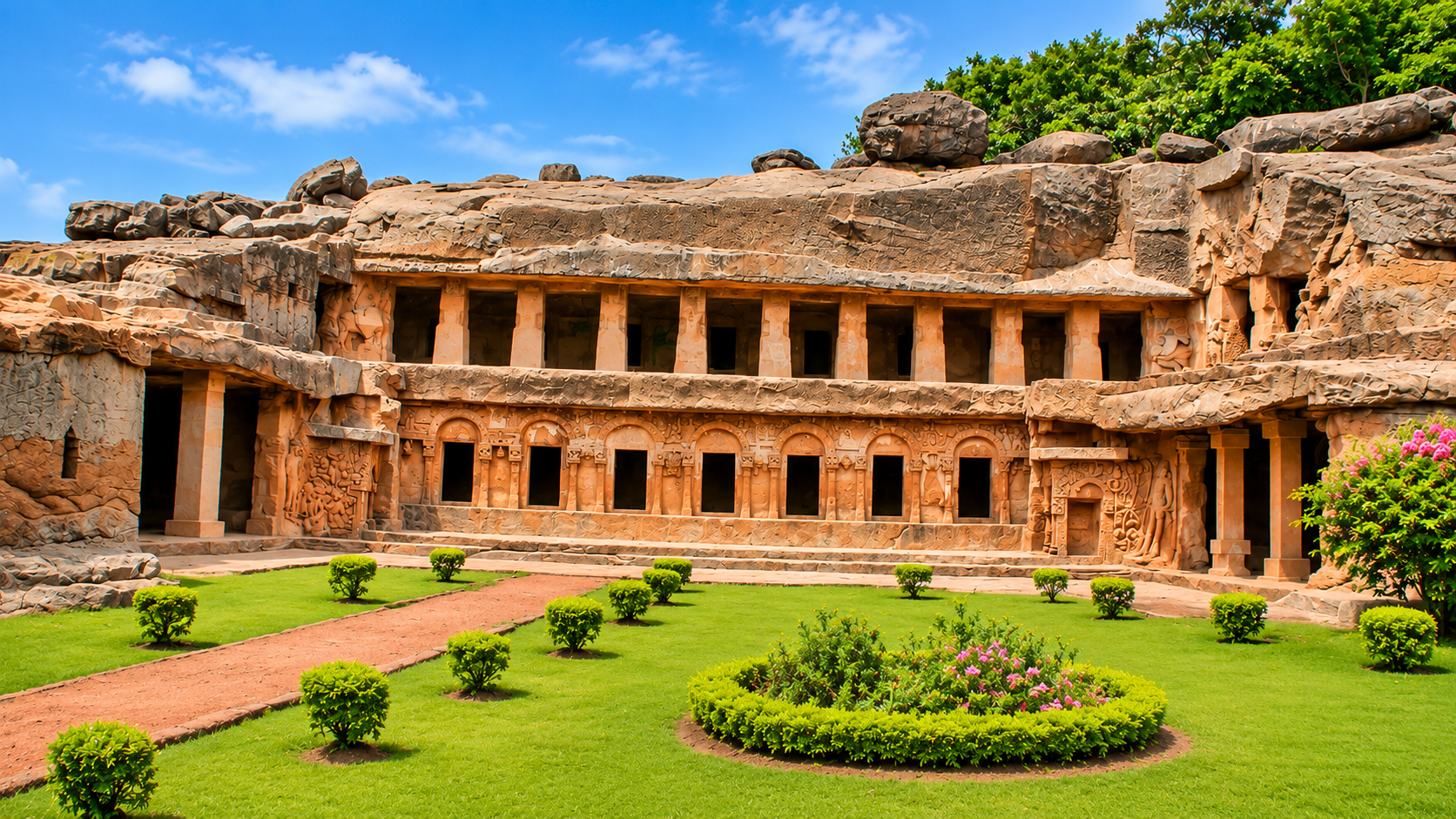
- Khandagiri and Udayagiri caves on the western edge of Bhubaneswar.
- Bhubaneswar’s temples, including the Lingaraj Temple.
- If you enjoy reservoirs, also read about Salia Dam in southern Khordha.
Frequently Asked Questions
How far is Deras Dam from Bhubaneswar?
Depending on your starting point, it is roughly 15 to 25 km from the city, in the Chandaka area on the north-western outskirts.
Is Deras Dam good for a picnic?
Yes. It is one of the most popular winter picnic spots near Bhubaneswar, thanks to the open banks, greenery and quiet setting.
Can I see elephants at Deras Dam?
Chandaka is an elephant reserve, so sightings are possible but rare and unpredictable. Always keep a safe distance and follow forest staff instructions.
Can I stay overnight near Deras?
Yes, cottages and bamboo houses near Deras can be booked for a quiet stay. Check availability and booking rules with the operator or forest department in advance.