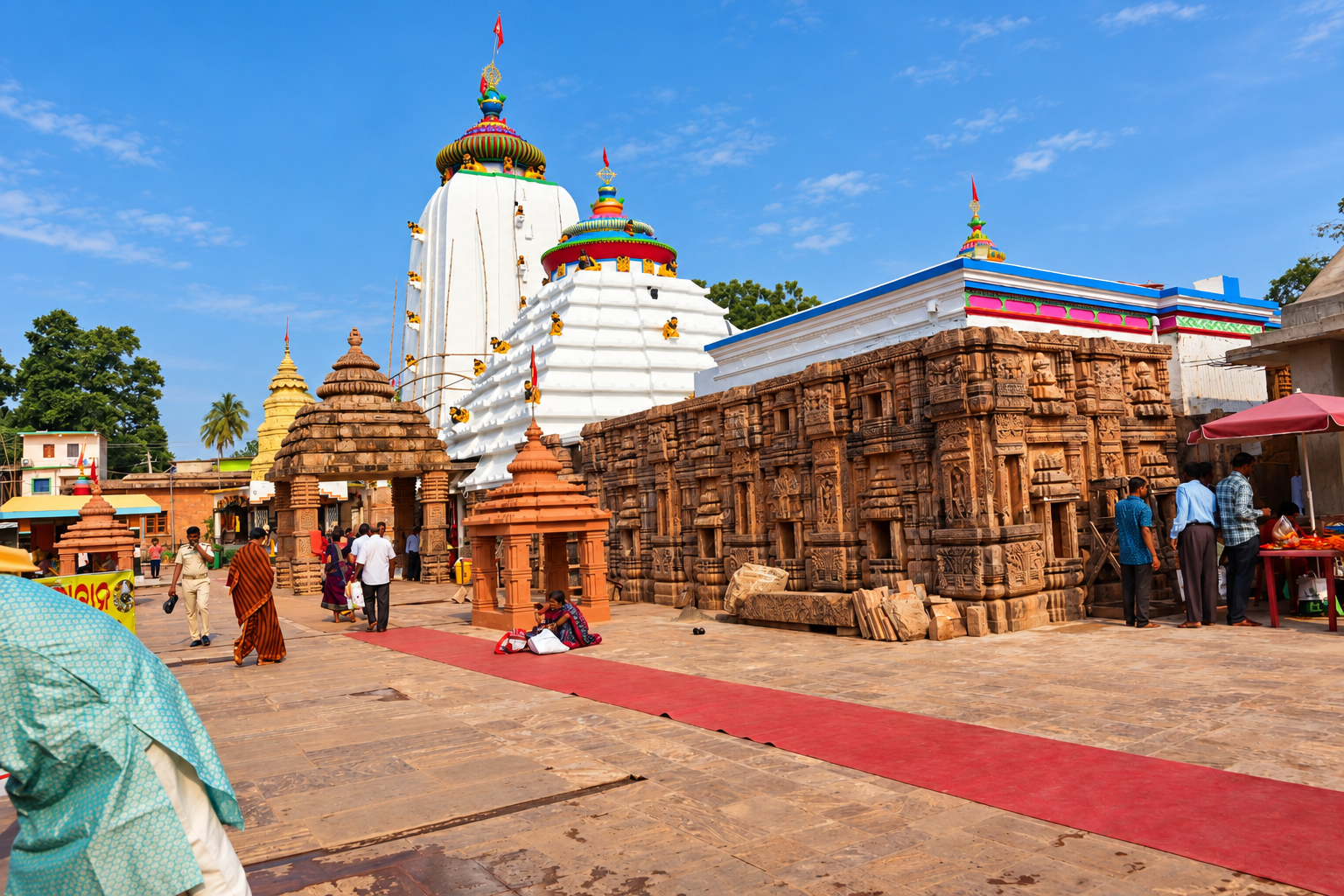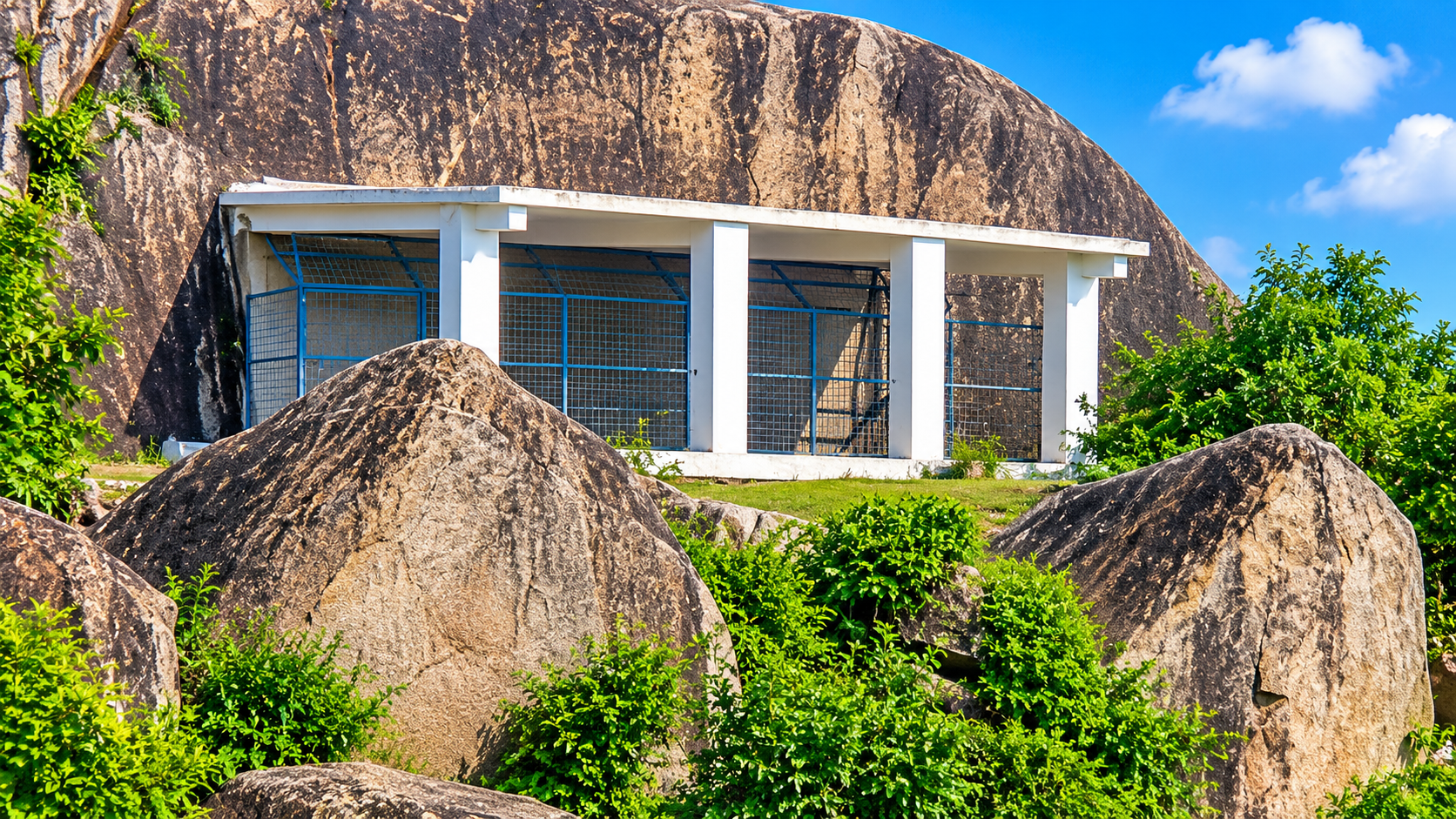
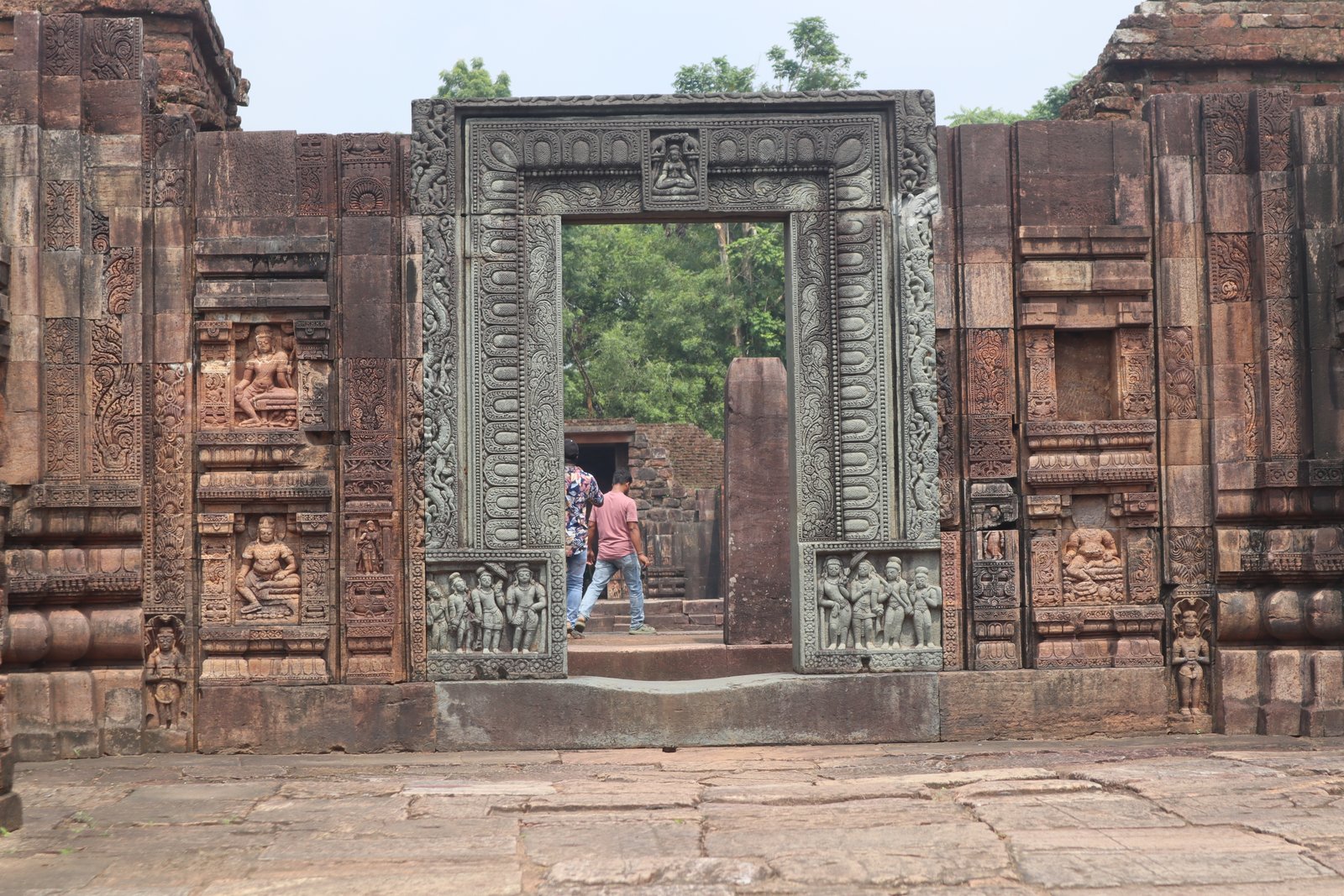
Ratnagiri in Jajpur district, Odisha, is the largest and best-preserved Buddhist site in the state. About 100 km from Bhubaneswar and 70 km from Cuttack, the Ratnagiri hill holds the ruins of a great Buddhist university (mahavihara) that flourished from around the 5th–6th century to the 12th century CE, with a main stupa, two large monasteries, hundreds of small votive stupas and an excellent ASI museum. With Udayagiri and Lalitgiri, Ratnagiri forms Odisha’s Buddhist “Diamond Triangle”.
Ratnagiri at a Glance
| Location | Ratnagiri hill, Jajpur district, Odisha, near the Keluo river (between the Brahmani and Birupa rivers) |
|---|---|
| Period | About 5th–6th century to 12th century CE; peak between the 7th and 10th centuries |
| Known for | Main stupa, Monastery 1 with its carved chlorite doorway, 700+ votive stupas, Vajrayana Buddhism |
| Excavated by | Archaeological Survey of India (ASI), 1958–1961, led by Debala Mitra |
| From Bhubaneswar | About 100 km (2 to 2.5 hours by road) |
| From Cuttack | About 70 km |
| Nearest railway station | Jajpur Keonjhar Road |
| Best time to visit | November to February |
History of Ratnagiri
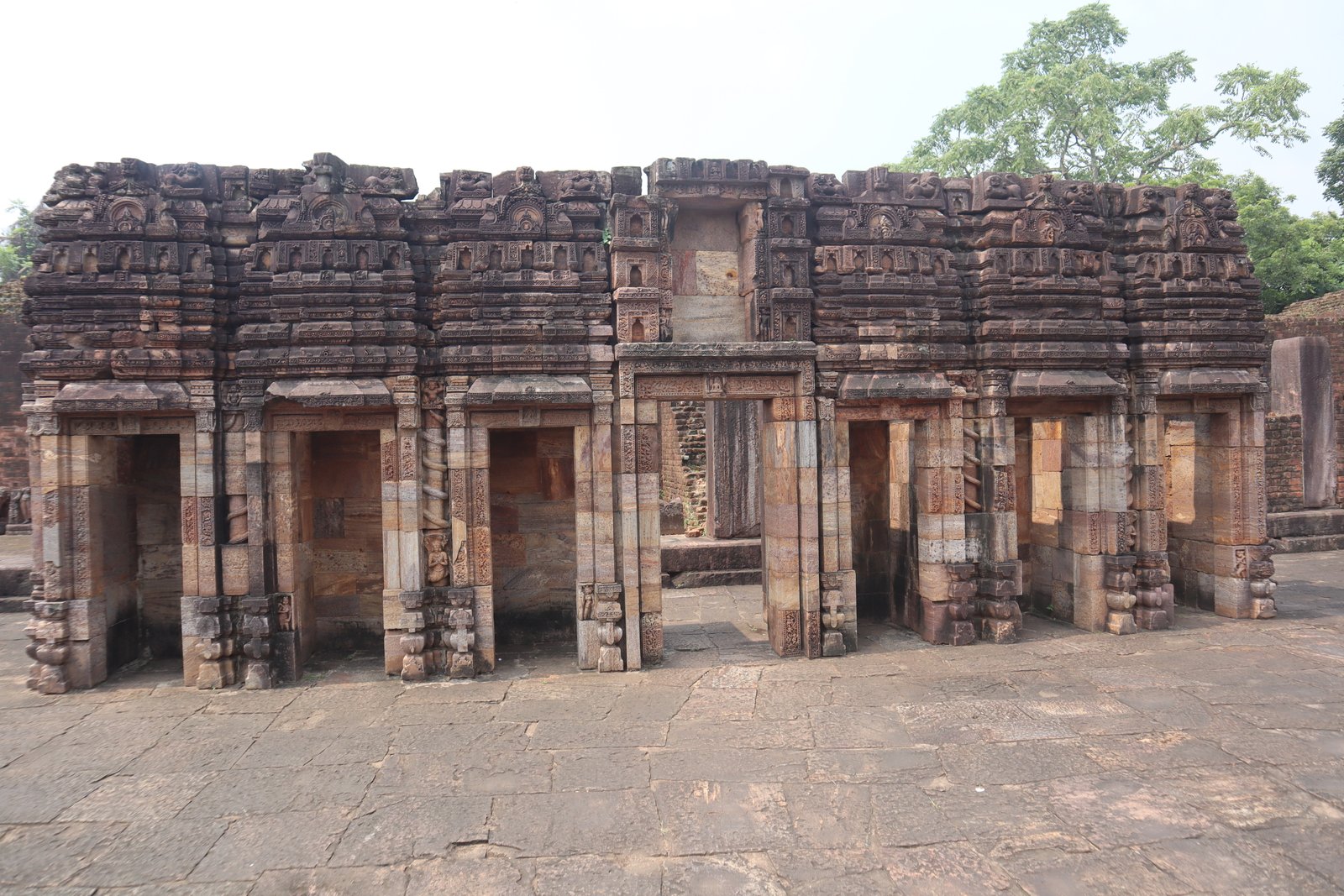
Ratnagiri means “hill of jewels”. According to the Archaeological Survey of India and Odisha Tourism, the Buddhist centre here was established by the time of the Gupta king Narasimha Gupta Baladitya in the early 6th century CE, and Buddhism flourished at Ratnagiri until about the 12th century. Most of the surviving buildings were raised between the 7th and 10th centuries, when the Bhauma-Kara kings ruled from nearby Jajpur.
More than 1,300 clay seals found during the excavation carry the words “Sri Ratnagiri Mahavihariya Aryabhikshu Sanghasya”, which confirmed that this was the Ratnagiri Mahavihara, a large community of Buddhist monks. Tibetan texts describe Ratnagiri as an important centre of Vajrayana Buddhism, and scholars link it with the development of the Kalachakra tantra in the 10th century.
For centuries the ruins lay under earth mounds that local people called “Ranipukhuri”. The ASI excavated the site between 1958 and 1961 under archaeologist Debala Mitra, uncovering the stupas, monasteries and sculptures you see today.
What to See at Ratnagiri
The Main Stupa
The main stupa (Stupa 1) stands on the top of the hill. Built around the 9th century, possibly over an older stupa, it has a square base about 14 m on each side and today rises about 5 m. Around it lie hundreds of small votive stupas offered by pilgrims, many carved with images of Buddhist deities.
Monastery 1 and its Famous Doorway
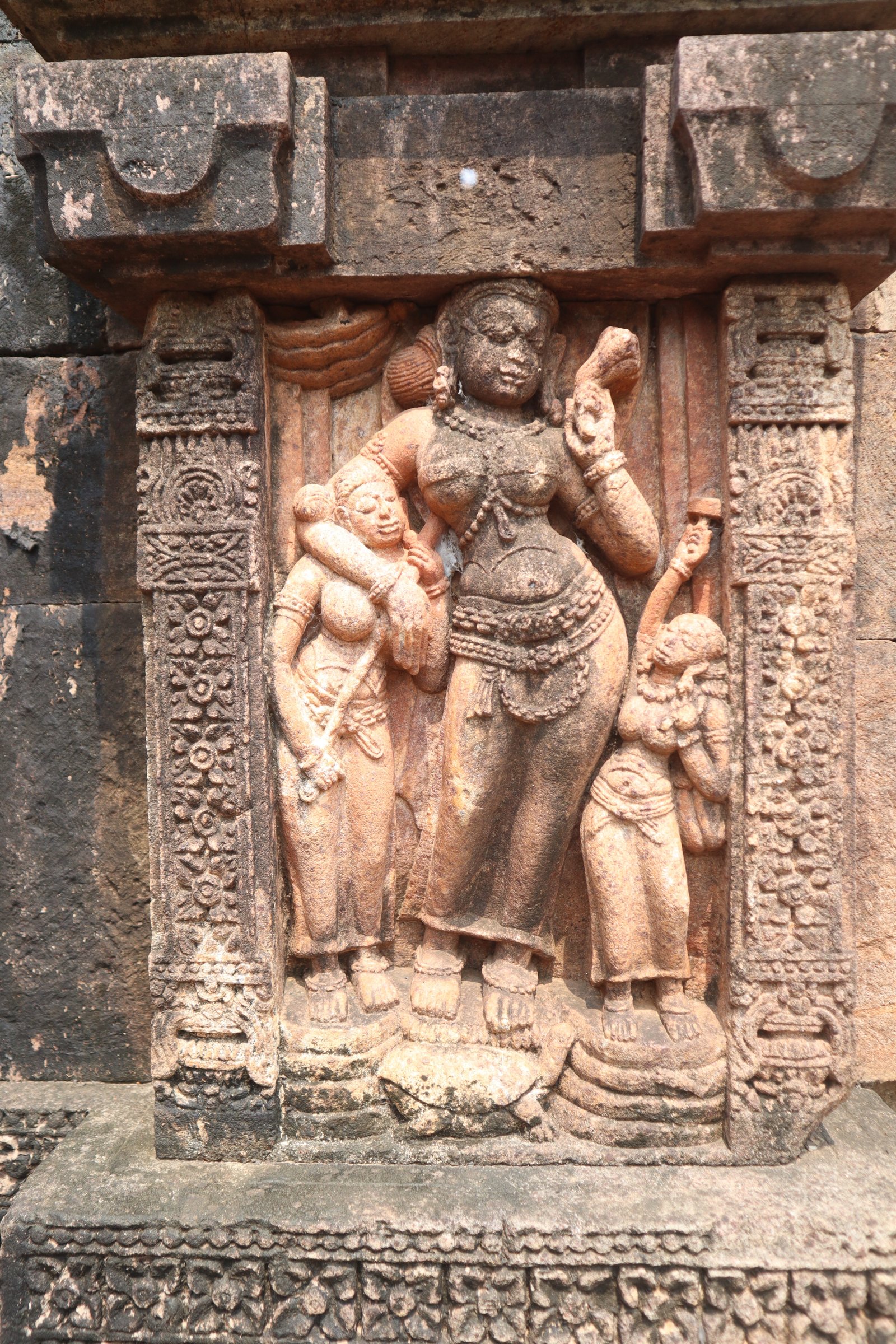
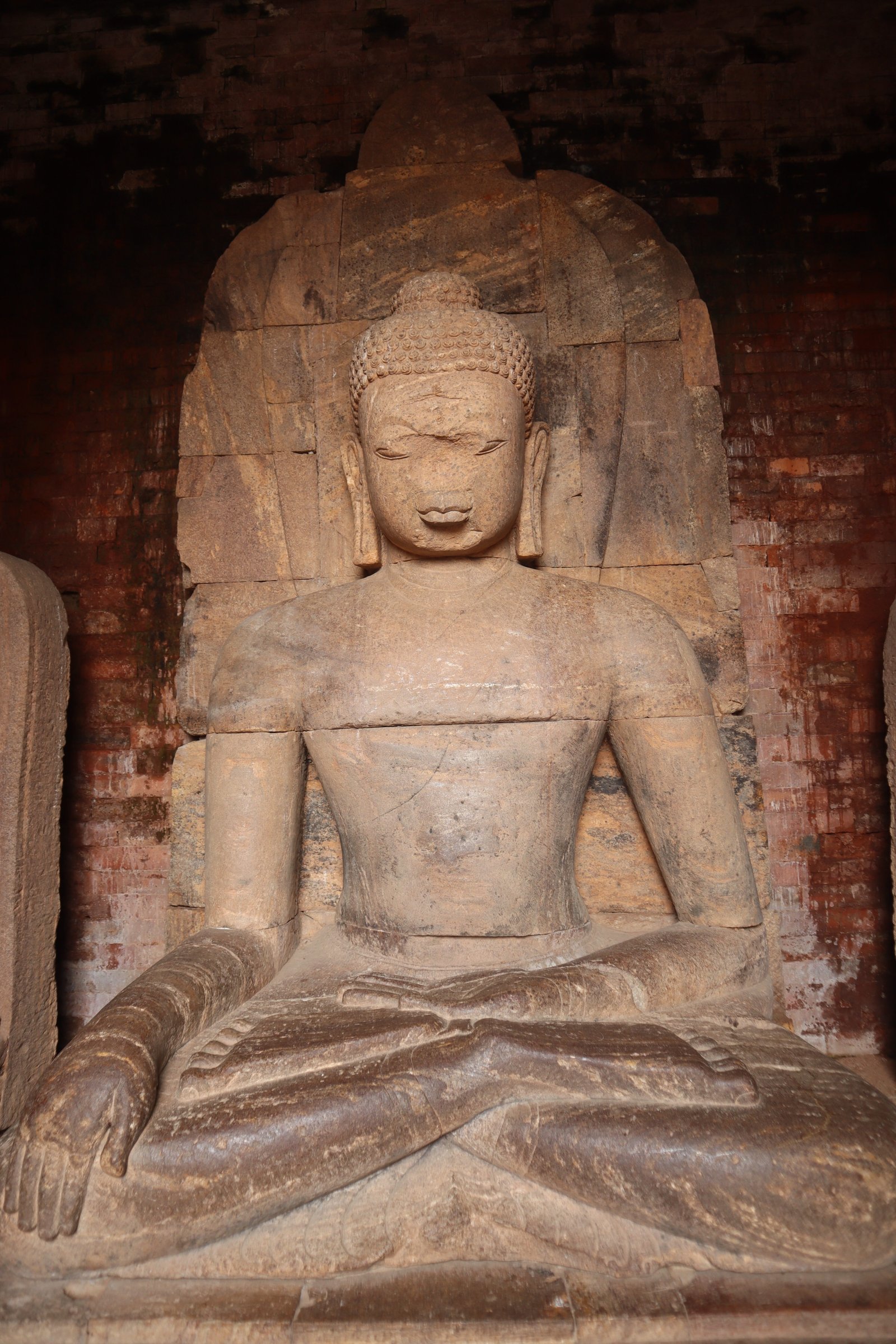
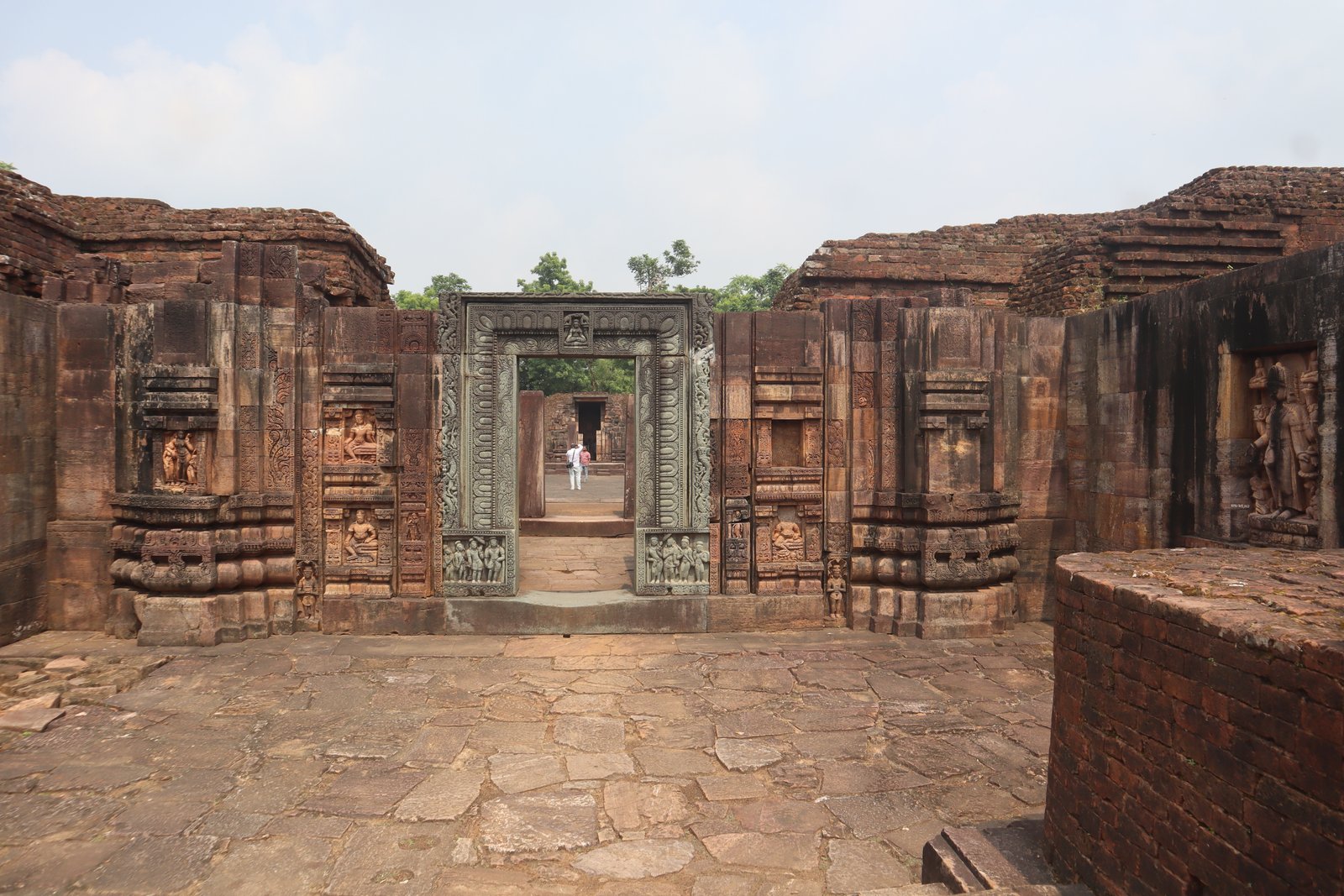
Monastery 1 is the largest and finest monastery at Ratnagiri. It has 24 cells around a central courtyard and a shrine with a seated Buddha about 3.7 m high, flanked by Padmapani and Vajrapani. Its doorway of green chlorite stone is carved in three bands of scrolls, lotus petals and tiny figures, with Gaja-Lakshmi at the centre. Debala Mitra called it the loveliest entrance to a monastery in India.
Monastery 2 and Other Ruins
Monastery 2 is smaller, with 18 cells and a shrine of the Buddha in the gift-giving gesture (varada mudra). Nearby are the remains of several temples, including the Dharma Mahakala temple, which was built over an earlier stupa and later moved and rebuilt by the ASI.
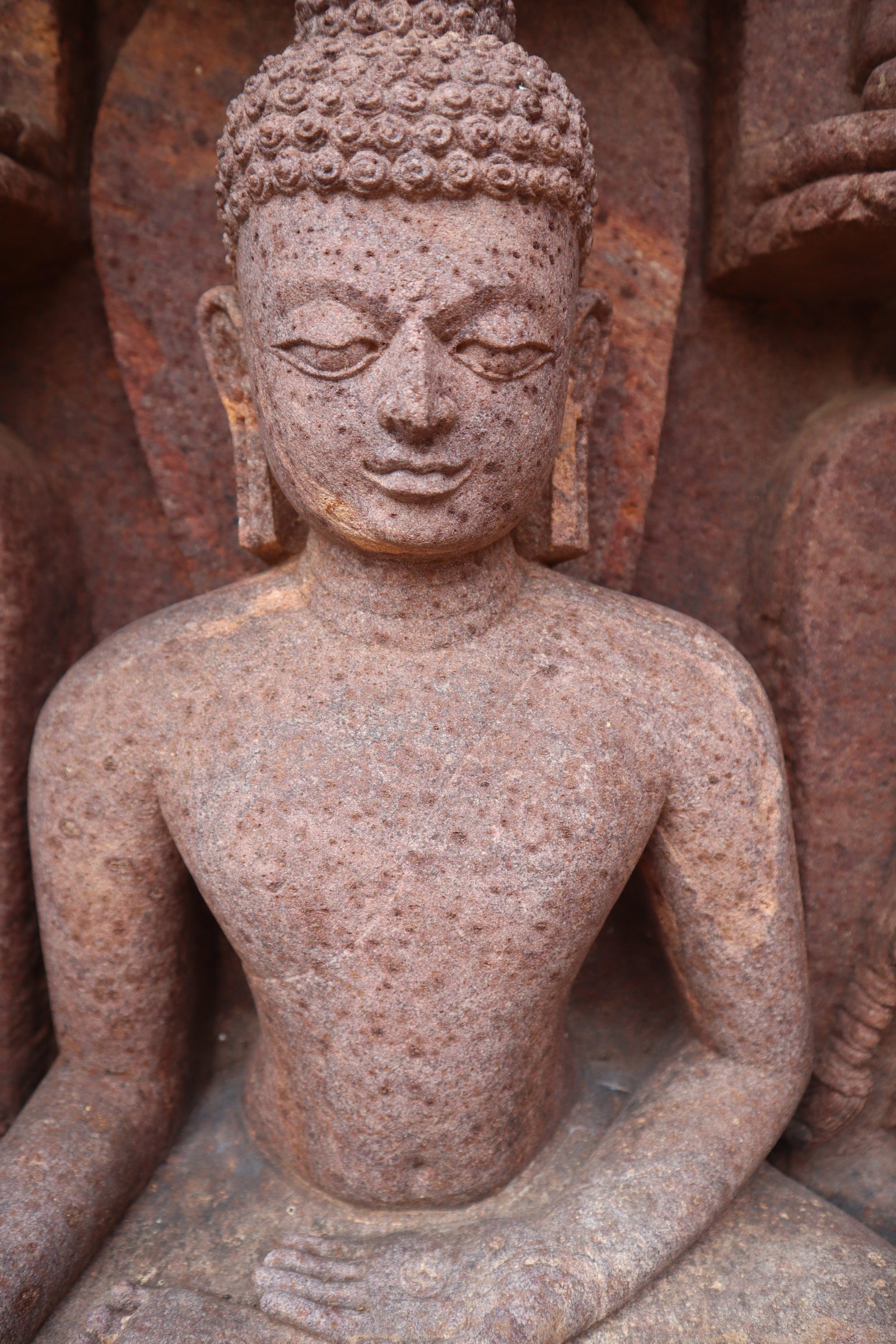
Votive Stupas
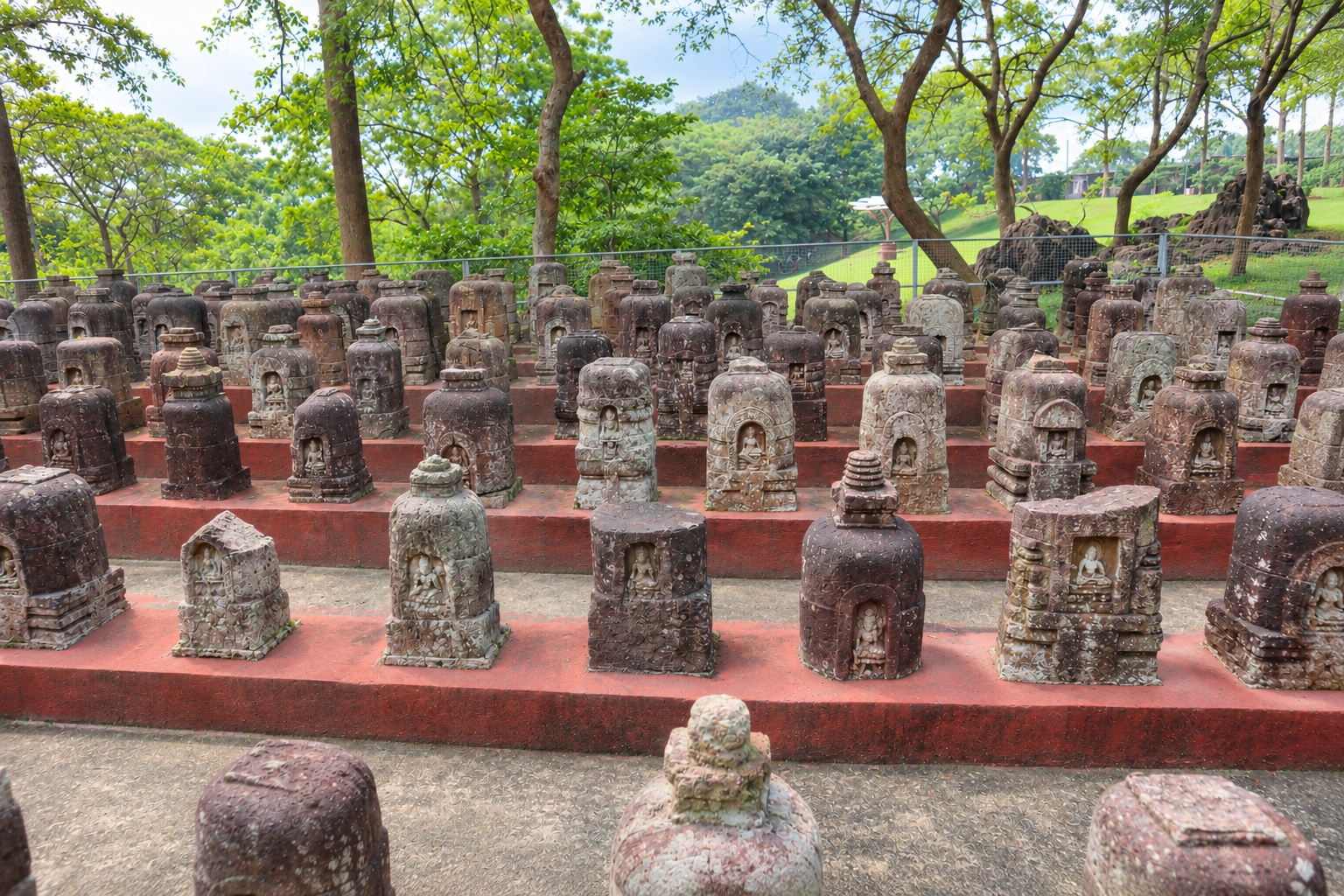
More than 700 small votive stupas have been found at Ratnagiri, most of them dating from the 9th to the 13th century. Walking among them on the hilltop is one of the most peaceful experiences at the site.
Ratnagiri ASI Museum
The ASI site museum at Ratnagiri has four galleries spread over three levels. Three galleries display stone sculptures of the Buddha, Bodhisattvas and Tara found at the site. The fourth shows bronze and brass images, terracotta, clay seals and copper plates. Many of the best sculptures from the monasteries are kept here, so plan at least an hour for the museum.
The site and museum are generally open from 9 am to 5 pm and closed on Fridays. Entry fees are small, with tickets for the site and museum sold separately. Timings and fees can change, so check with the ASI before you visit.
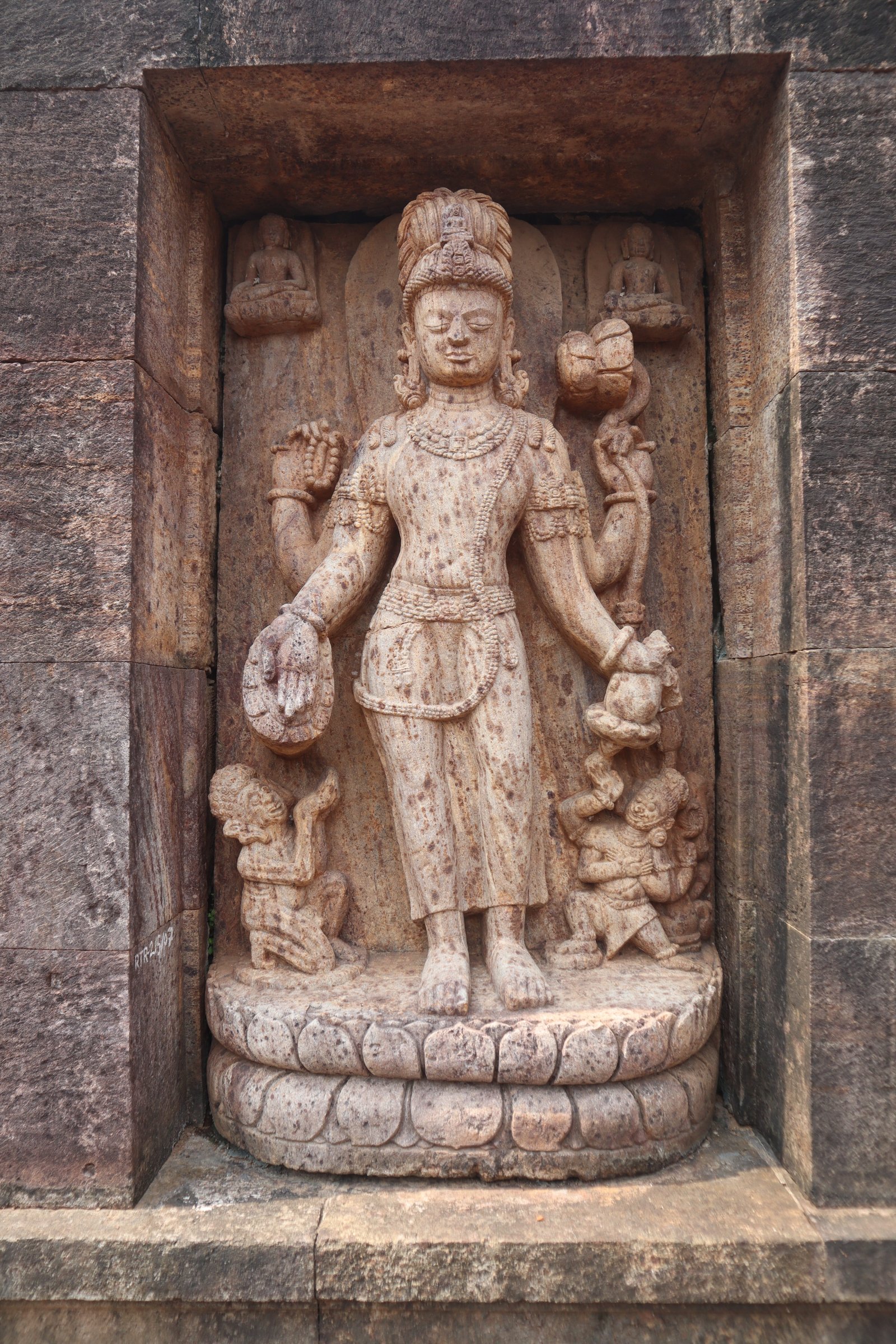
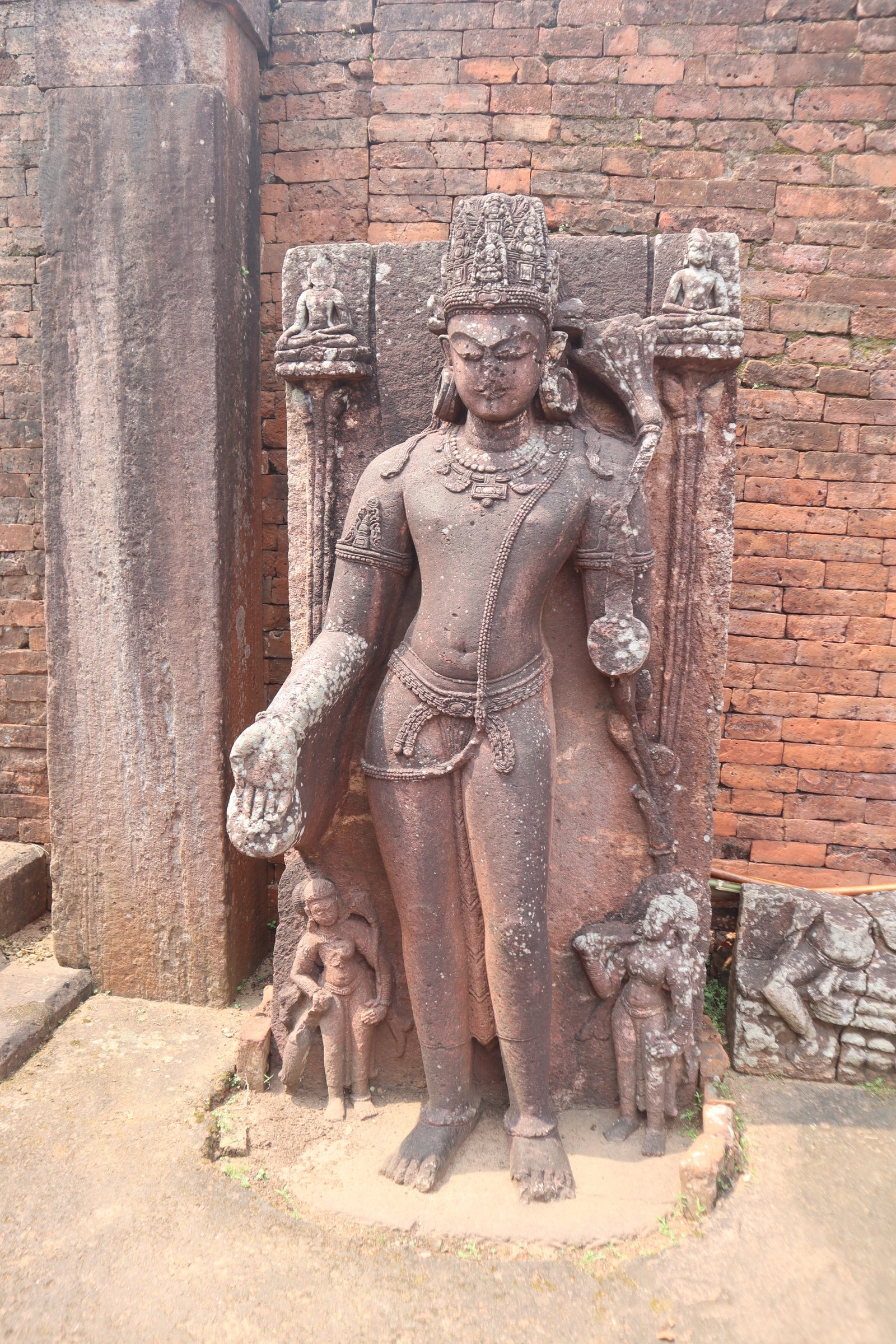
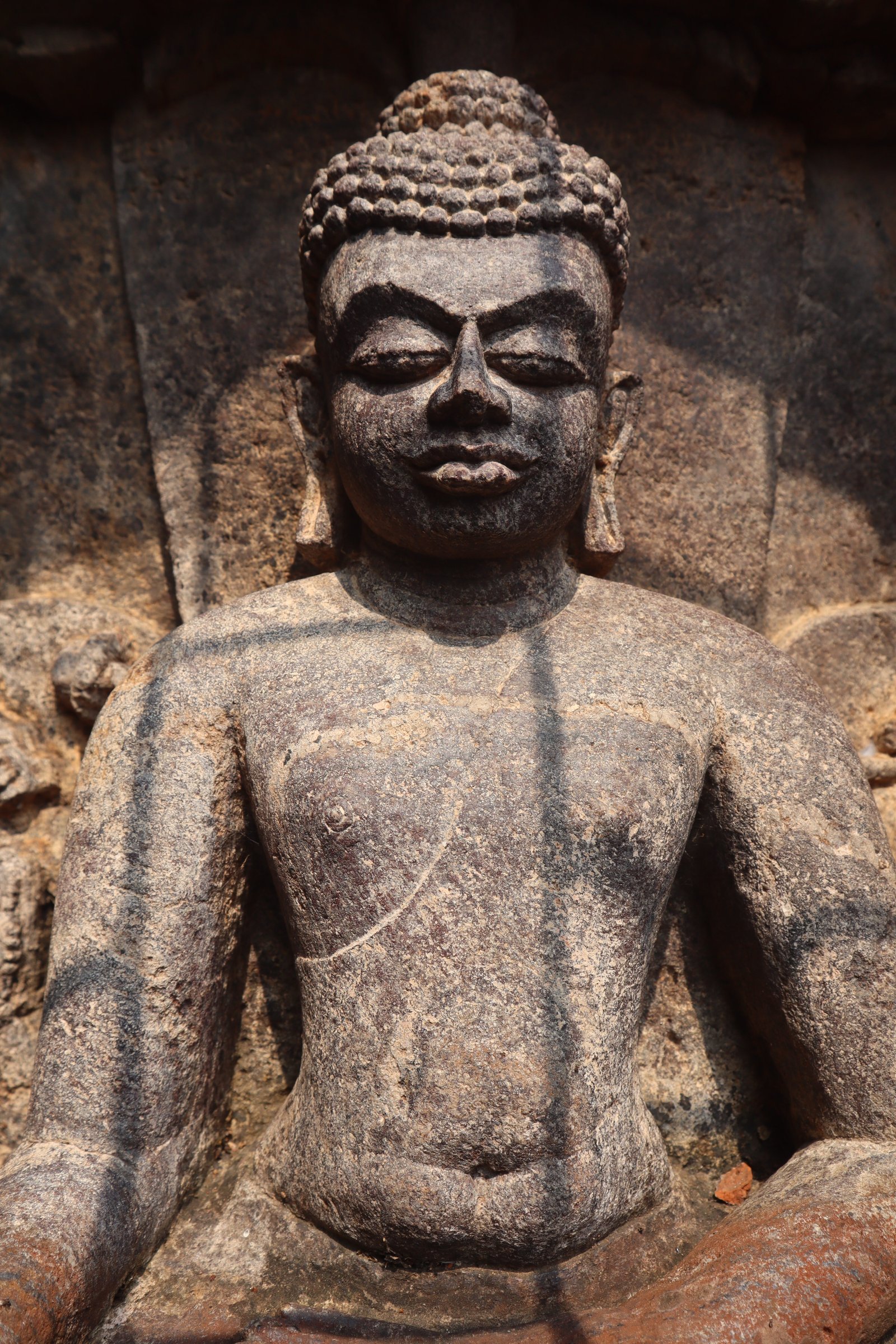
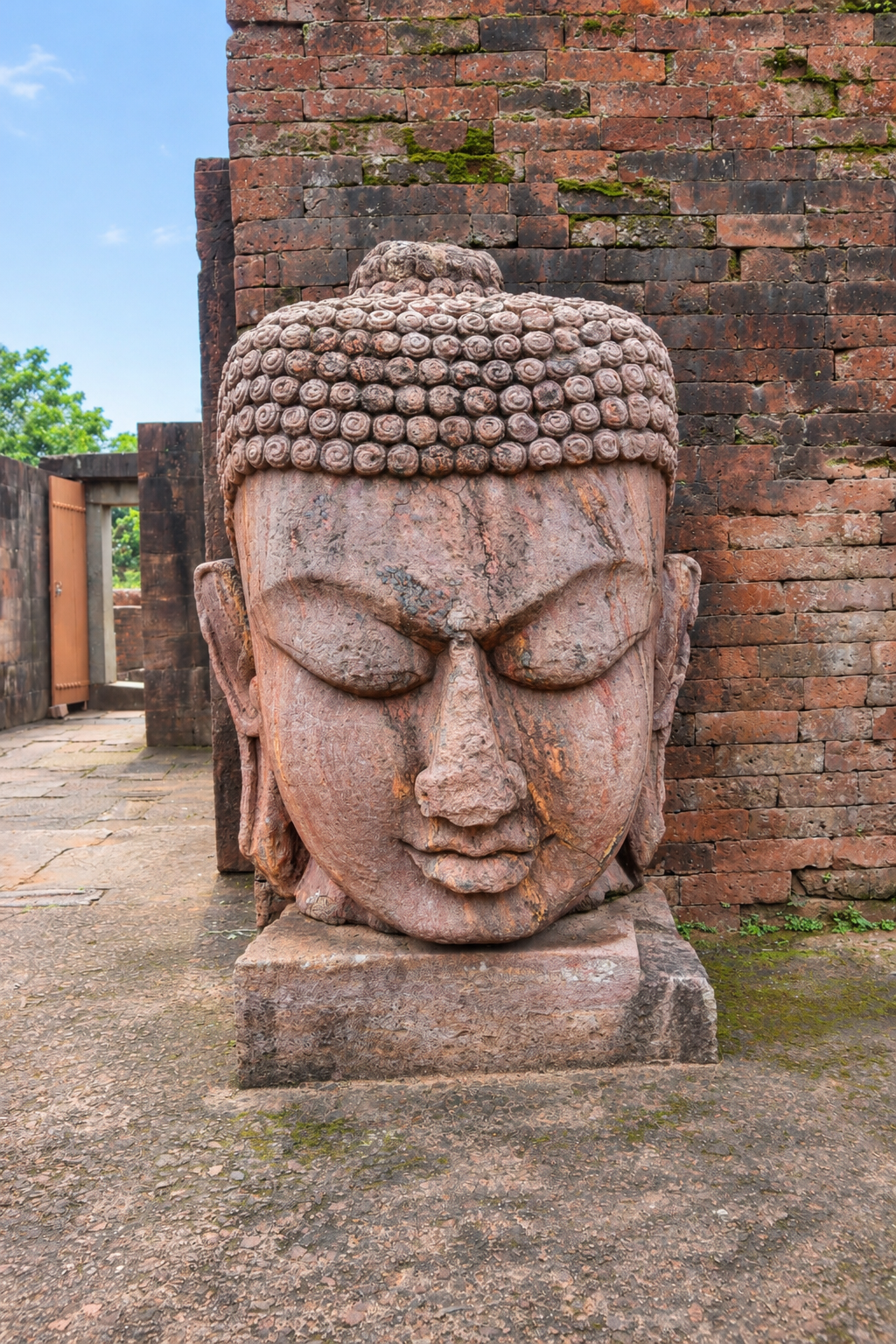
Some of the Bodhisattva and Buddha sculptures you can see at Ratnagiri:
The Diamond Triangle: Ratnagiri, Udayagiri and Lalitgiri
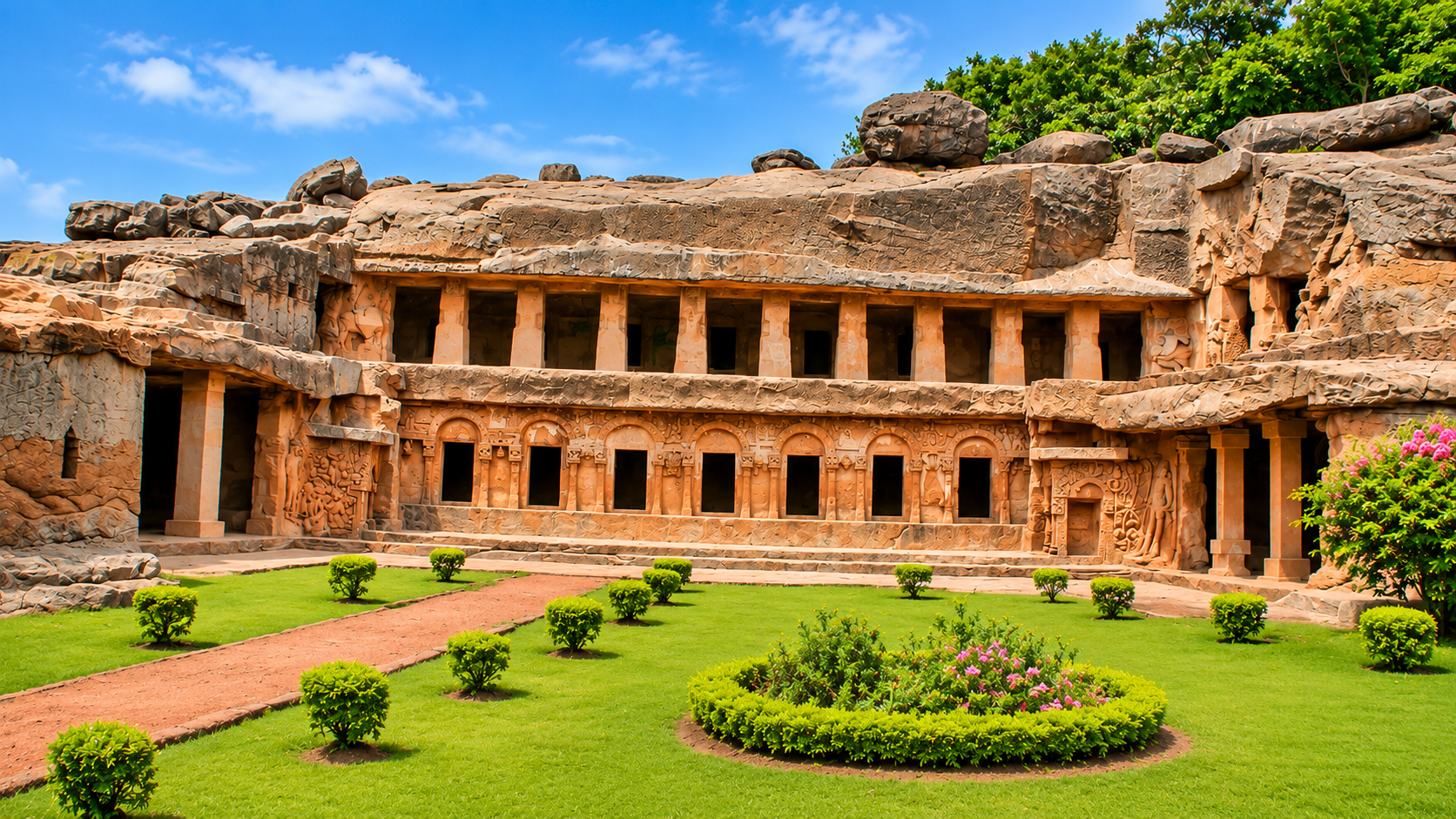
Ratnagiri is one corner of Odisha’s Buddhist “Diamond Triangle”. In a straight line, Ratnagiri and Udayagiri are about 11 km apart, and both are about 7 km from Lalitgiri. Lalitgiri is home to what is believed to be Odisha’s oldest monastery, from around the 1st century CE, and Udayagiri has another large monastery complex. All three can be seen in one long day trip from Bhubaneswar or Cuttack.
Some historians once identified these three sites with the Pushpagiri monastery visited by the Chinese traveller Xuanzang in the 7th century, though later finds on Langudi hill have raised other possibilities.
How to Reach Ratnagiri
| From | Distance | How |
|---|---|---|
| Bhubaneswar | About 100 km | Car or taxi, about 2 to 2.5 hours |
| Cuttack | About 70 km | Car or taxi |
- By air: Biju Patnaik International Airport, Bhubaneswar, is the nearest airport.
- By rail: Jajpur Keonjhar Road is the nearest major railway station. Take a taxi from there.
- By road: The easiest way is a hired car from Bhubaneswar or Cuttack, covering Ratnagiri, Udayagiri and Lalitgiri in one day.
Combine Ratnagiri with Nabhi Gaya and Maa Biraja Temple in Jajpur, or plan a full route with our free Odisha Trip Planner.
Best Time to Visit and Travel Tips
- November to February is the most comfortable season. The ruins are open-air and there is little shade.
- Start early, carry water, a hat and sunscreen, even in winter.
- Visit the museum first to understand the site, then walk the ruins.
- Wear comfortable shoes for the climb and the uneven paths.
- Respect the monuments: do not climb on stupas or touch the carvings.
Frequently Asked Questions
Where is Ratnagiri?
Ratnagiri is in Jajpur district, Odisha, about 100 km from Bhubaneswar and 70 km from Cuttack.
Why is Ratnagiri famous?
Ratnagiri is famous for its Buddhist mahavihara from about the 6th to 12th century, with a main stupa, two large monasteries, more than 700 votive stupas and one of the most beautifully carved monastery doorways in India.
What is the Diamond Triangle of Odisha?
It is the group of three Buddhist sites in Jajpur and Cuttack districts: Ratnagiri, Udayagiri and Lalitgiri.
Is there a museum at Ratnagiri?
Yes. The ASI museum at Ratnagiri has four galleries of sculptures, bronzes, seals and copper plates found at the site.
When is the best time to visit Ratnagiri?
November to February, when the weather is cool enough to walk around the open-air ruins.
Sources: Odisha Tourism, Buddhist Circuit; Archaeological Survey of India; Debala Mitra, Ratnagiri (1958–61), ASI Memoir No. 80.