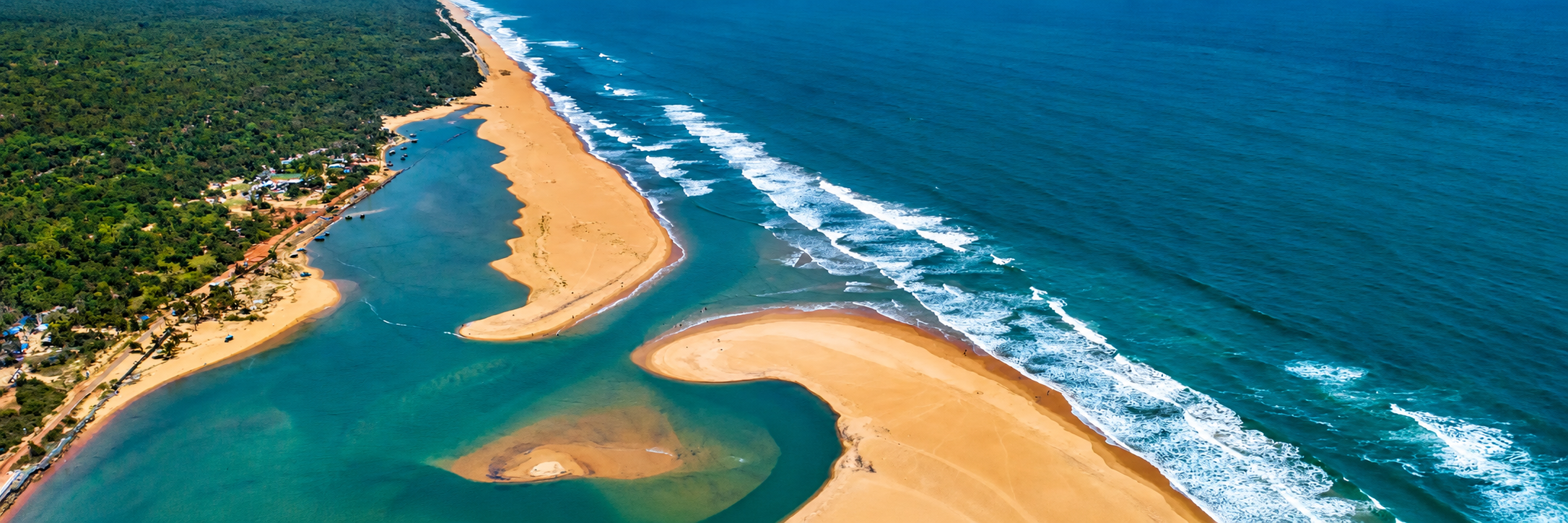
Aryapalli beach is a quiet stretch of the Bay of Bengal coast on the outskirts of Chhatrapur in Ganjam district. With casuarina trees, wide sand and a traditional fishing village close by, it offers a calm alternative to busier beaches like Gopalpur.
The beach is roughly 6–8 km from Chhatrapur and about 30 km from Berhampur. It sees far fewer visitors than the well-known resorts, so you can often have long sections of the shore almost to yourself.
Why Visit Aryapalli Beach
This coast is not about resorts, shacks or water parks. It is about open space, sea breeze and the rhythm of a working fishing coast.
- Peace and quiet: few vendors and small crowds, even on holidays.
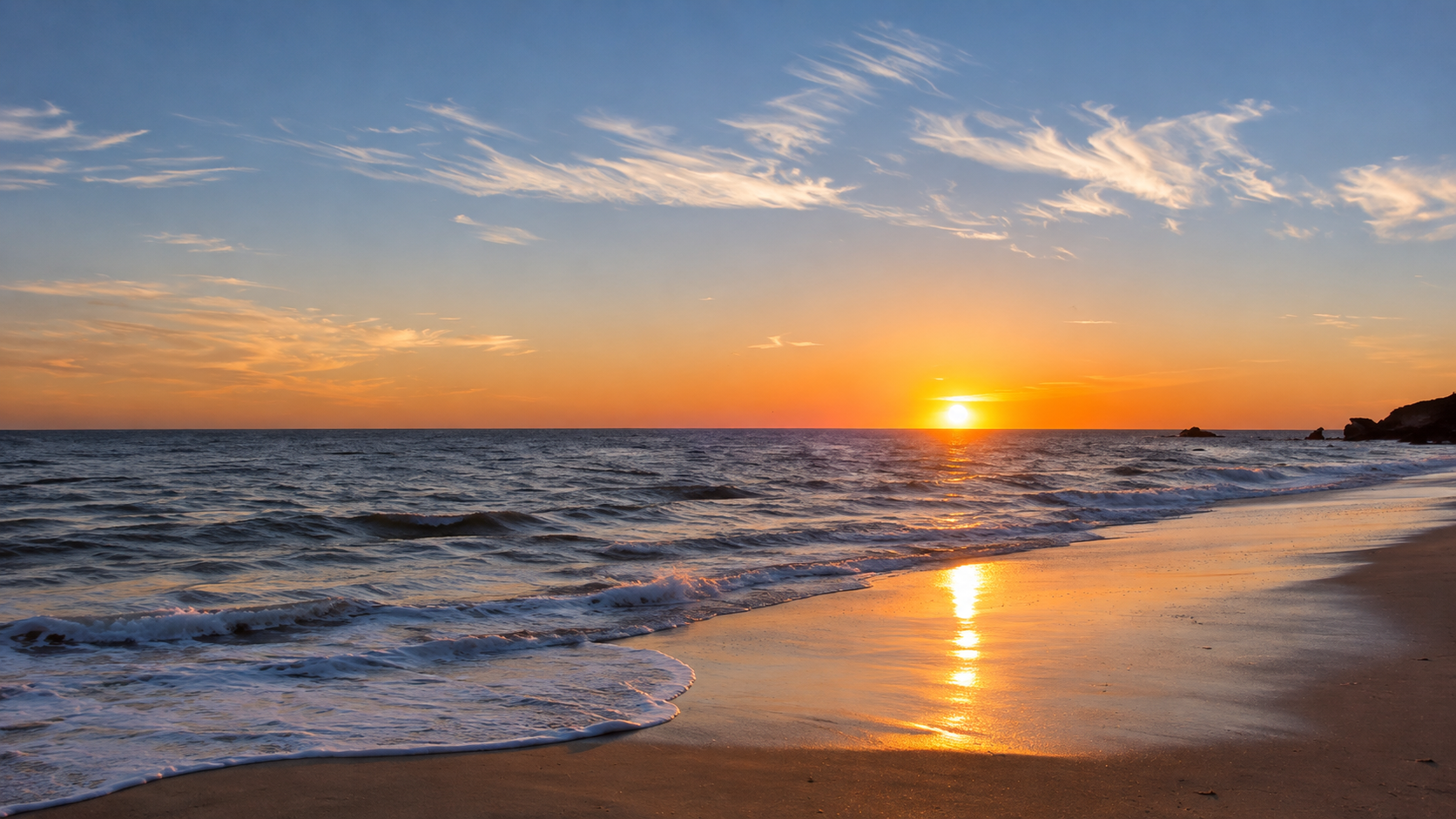
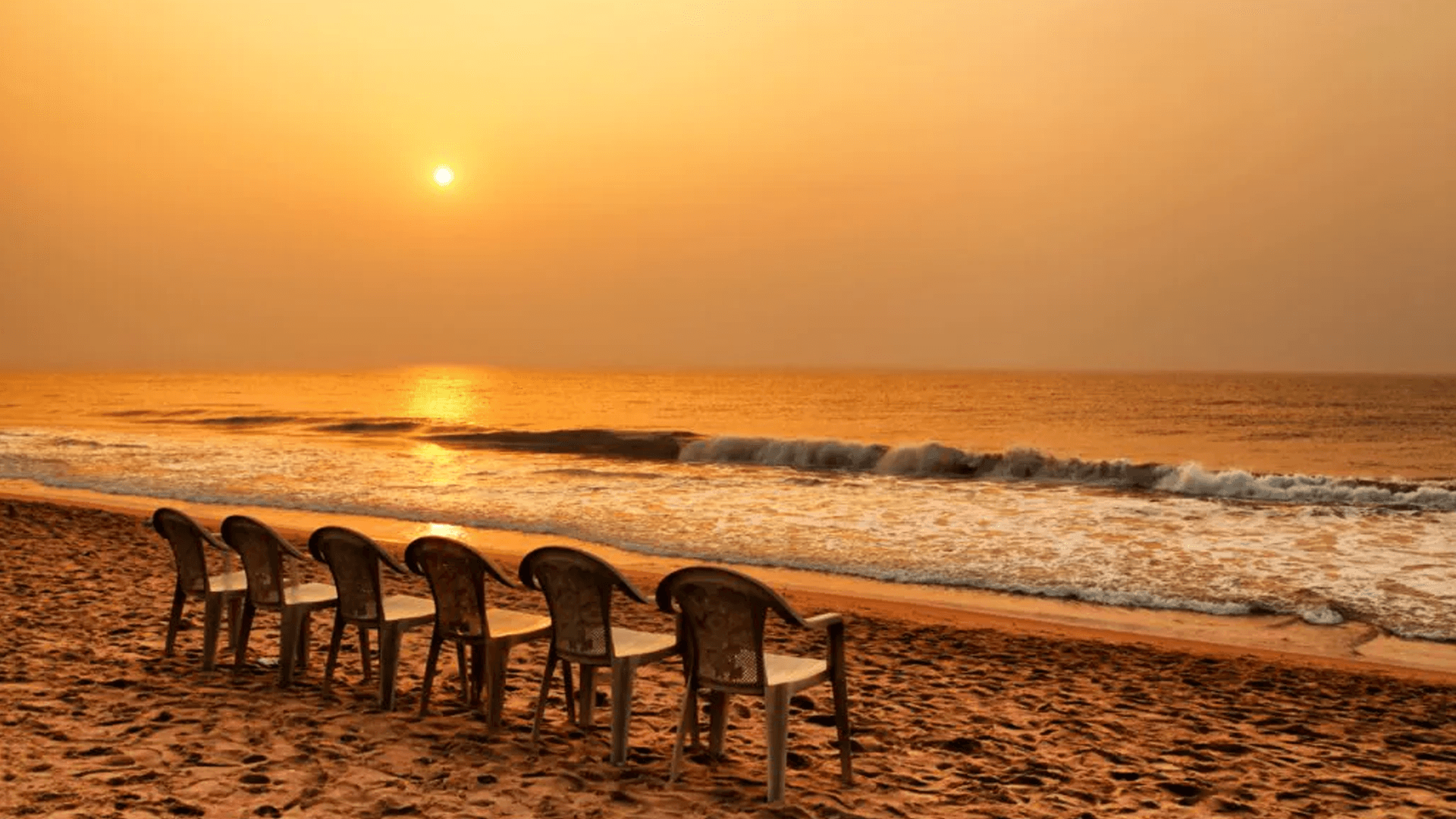
- Sunrise and sunset: the open horizon makes early mornings and evenings especially colourful.
- Casuarina groves: the trees lining the shore provide shade and a classic Odisha coastal scene.
- Fishing culture: nearby villages are home to Telugu-speaking fishing communities, reflecting Ganjam’s position close to the Andhra Pradesh border.
Things to Do at Aryapalli Beach
- Beach walks: long, unhurried walks along the sand, especially at dawn.
- Watch the fishing boats: see boats head out and return, and watch nets being sorted on the beach.
- Photography: capture the casuarina line, the boats and the changing colours of the sky.
- Picnics: carry food and enjoy a relaxed few hours in the shade.
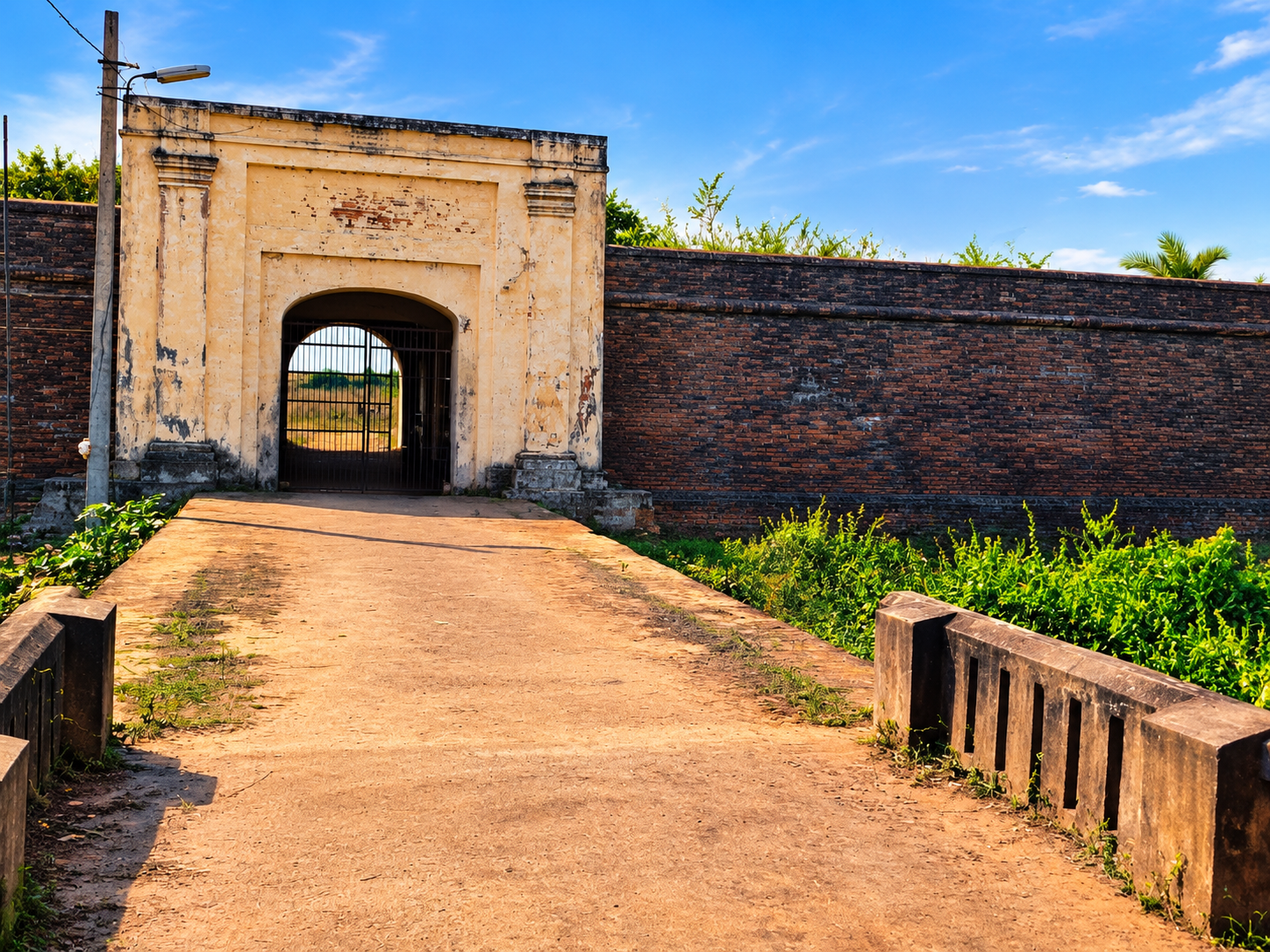
- Combine with history: pair the beach with Potagarh fort and the Rushikulya river mouth near Ganjam town.
Some travel guides mention swimming and surfing here, but the sea along this coast can be strong. Treat the water with respect and enjoy it from the shoreline unless conditions are clearly calm.
Coastal Erosion: What Visitors Should Know
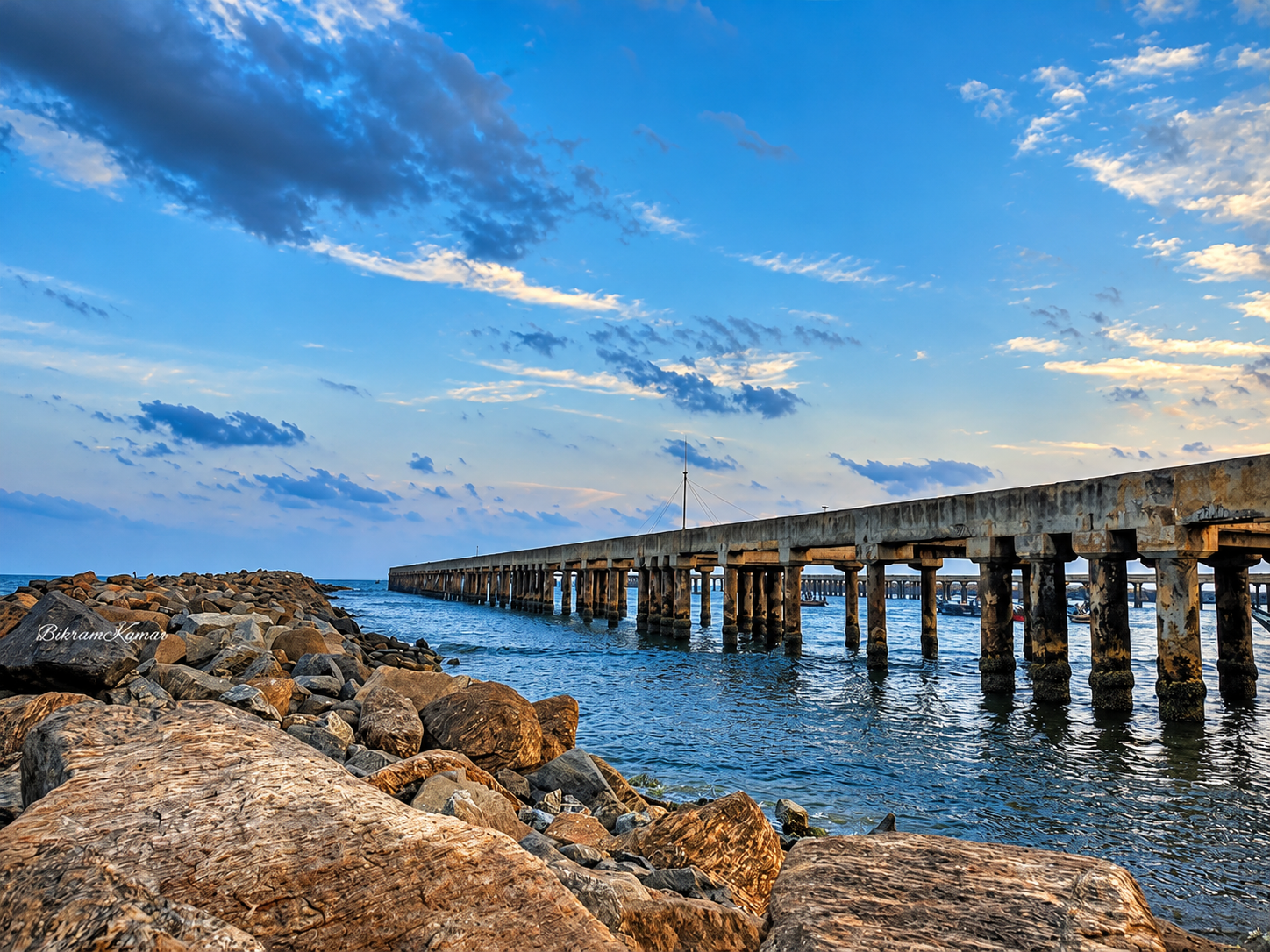
Aryapalli is in the news for an important reason: coastal erosion. Residents say the shoreline was once about 2 km from the village, but the sea has now advanced to within roughly 50 metres in places.
In 2026, local reports said the road leading to the village had been damaged by the sea, and the local Ganga Devi temple and some structures on the outskirts were affected. The National Institute of Ocean Technology (NIOT), Chennai, has studied the erosion, and the Irrigation department has prepared a draft project report for protection work.
For travellers, this means conditions can change. Check road access locally before you go, stay away from eroding edges, and be sensitive to a community dealing with real hardship.
Life in the Fishing Villages
The villages around Aryapalli depend largely on the sea. Early in the morning, you may see small boats being pushed into the surf, and later the catch being sorted and sold on the sand. The friendly local fishermen are often happy to chat, even if language is a small barrier.
Many families here speak Telugu at home and Odia in daily dealings, a reminder of Ganjam’s long cultural links with neighbouring Andhra Pradesh. Watching this daily routine is one of the most authentic experiences on this part of the coast.
Industry is also part of the landscape. Mineral sand operations and the Gopalpur port lie along this coastline, and local villagers have raised concerns about their impact on erosion and resettlement – another reason to visit with sensitivity.
How to Reach Aryapalli Beach
- By air: Biju Patnaik International Airport, Bhubaneswar, is the nearest major airport, about 165 km away.
- By rail: Chhatrapur railway station is about 8 km away. Berhampur (Brahmapur) station has more train connections.
- By road: Aryapalli is connected to National Highway 16 near Chhatrapur. Hire an auto or taxi from Chhatrapur, or a cab from Berhampur (about 30 km).
Best Time to Visit, Timings and Entry
October to June is generally considered the best period to visit. Winter months (November to February) are the most pleasant, with cool mornings and comfortable afternoons.
Summer days can be humid around midday, so plan for mornings and evenings. Avoid the monsoon and cyclone season, when the sea is rough and erosion is at its worst. Watch weather warnings from the India Meteorological Department before travelling along the coast.
There is no entry fee and there are no fixed timings. Visit during daylight, generally from early morning to sunset, as the beach is not lit at night and facilities are limited.
Travel Tips for Aryapalli Beach
- There are few or no shops on the beach – carry water, snacks and sunscreen.
- There are no regular lifeguards, so avoid swimming in rough seas.
- Respect the fishing community: ask before photographing people, and do not disturb boats or nets.
- Avoid the edges of eroded banks and damaged structures.
- Take all litter back with you – this coast is also important for nesting sea turtles.
- Tell someone your plans if you walk to remote stretches alone, and return before dark.
- Stay in Berhampur, Gopalpur or Chhatrapur, where accommodation is easier to find.
Nearby Places
Aryapalli beach is a good base for exploring the coastal side of Ganjam district.
- Potagarh Fort: the star-shaped “buried fort” near Ganjam town, about 8 km from Chhatrapur.
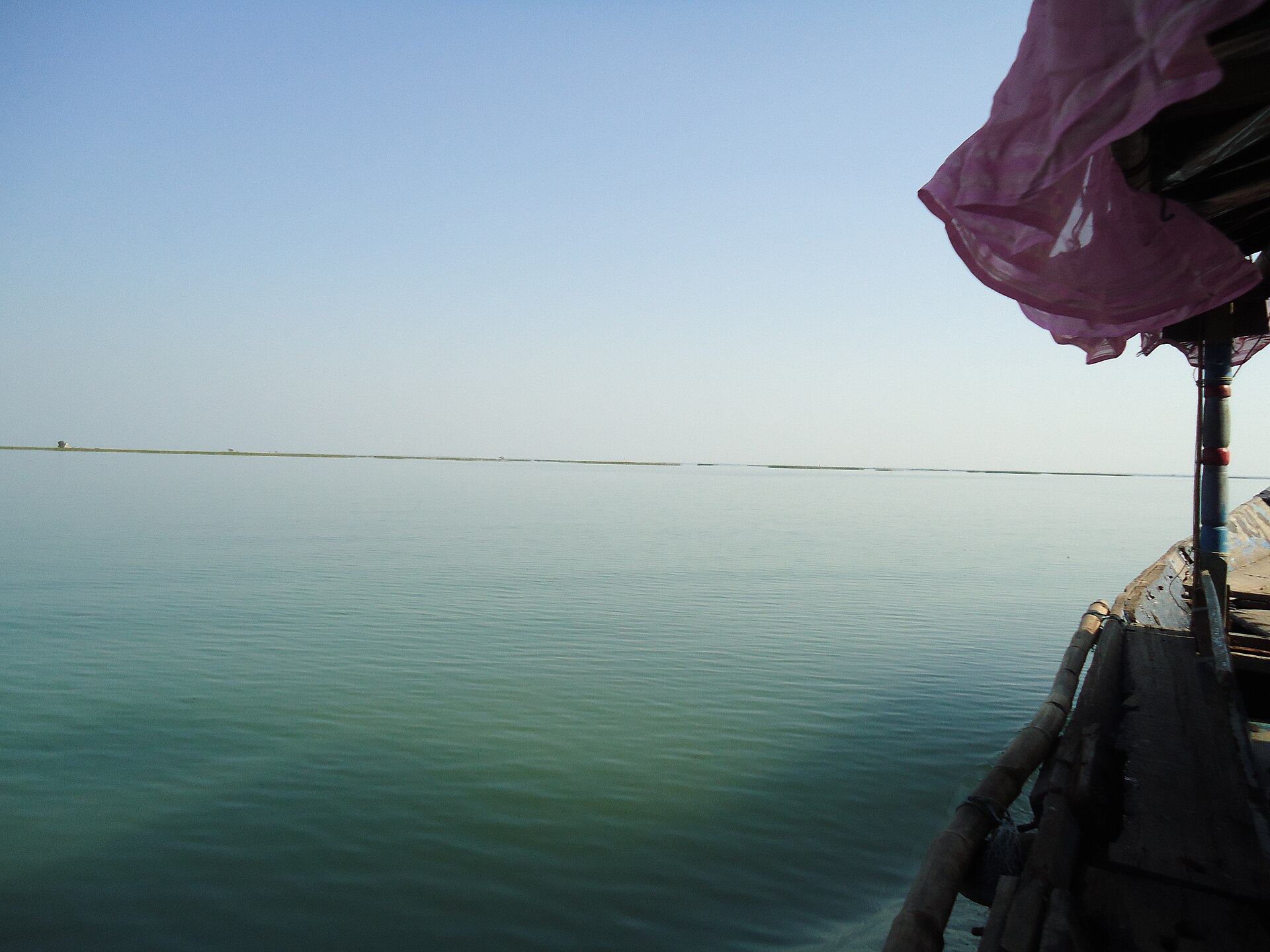
- Rushikulya river mouth: one of Odisha’s major olive ridley mass-nesting sites, usually between February and April.
- Tara Tarini Temple: the revered hilltop Shakti shrine on the Rushikulya – see our Tara Tarini Temple guide.
- Gopalpur-on-Sea: the popular beach town about 30 km away, known for its casuarina groves and old port history.
For official travel information, visit Odisha Tourism.
Aryapalli Beach FAQs
Where is Aryapalli beach?
Aryapalli beach is on the outskirts of Chhatrapur in Ganjam district, Odisha, about 6–8 km from Chhatrapur and around 30 km from Berhampur.
Is Aryapalli beach good for swimming?
It is better for walks, sunrise and quiet time. The sea can be strong, there are no regular lifeguards and erosion has changed the shoreline, so swim only in clearly calm conditions.
What is the best time to visit Aryapalli beach?
October to June is the recommended period, with November to February being the most pleasant. Avoid the monsoon and cyclone months.
How far is Aryapalli from Gopalpur?
Aryapalli is about 30 km from Gopalpur-on-Sea by road, so both beaches can be covered in a single day.